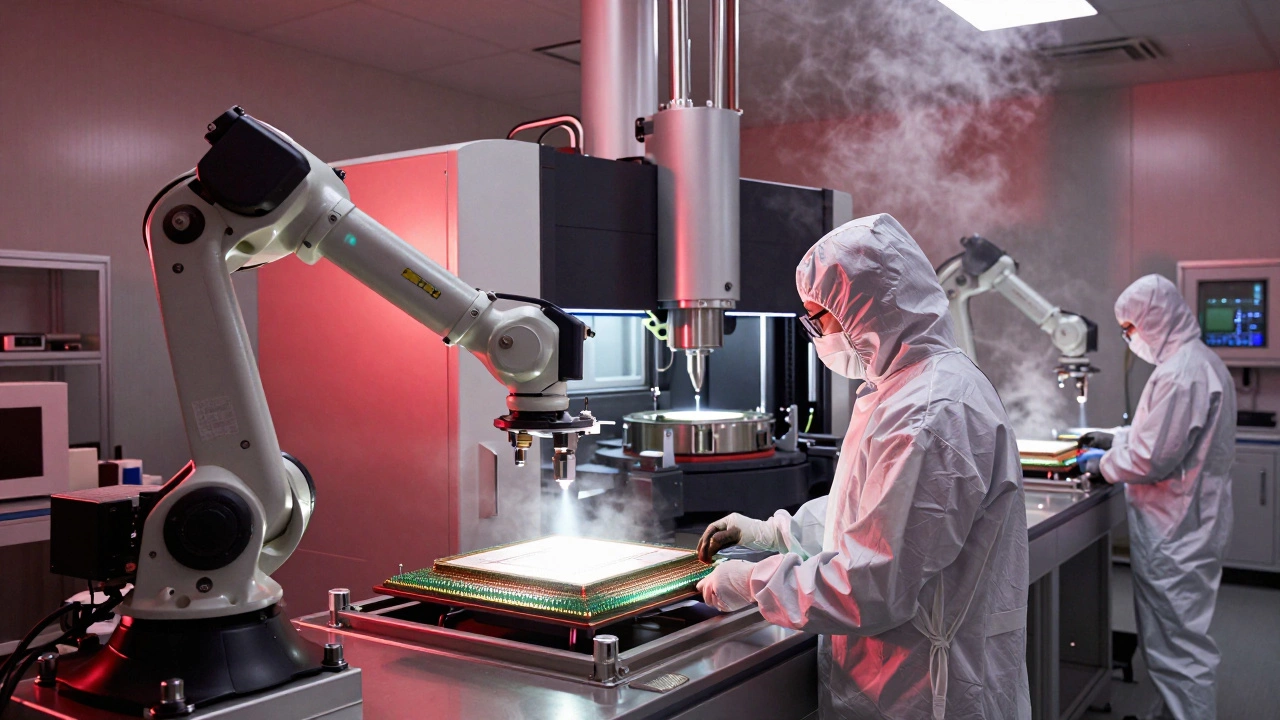
Complex Manufacturing Process: What It Really Takes to Build Things in India
When you hear complex manufacturing process, a series of interdependent steps involving materials, labor, machinery, and quality control to produce a final product. Also known as industrial production, it's not just about turning raw stuff into finished goods—it's about keeping dozens of moving parts aligned under pressure. In India, this isn’t theoretical. It’s daily reality for factories making everything from elevator components to medical devices and textiles. A single elevator system, for example, might need 200+ parts sourced from 15+ suppliers, assembled by skilled workers, tested under load, and certified before it leaves the plant. One delayed shipment, one faulty weld, one misaligned sensor—and the whole line stalls.
This is where small scale manufacturing, production systems with limited capital investment that rely on flexibility and human expertise over automation runs into real problems. Many small factories in India can’t afford automated quality checks or real-time inventory tracking. They depend on experienced workers who know when a bearing feels off or when paint isn’t drying right. But that kind of knowledge doesn’t scale. When demand spikes, or a key supplier in China delays a critical chemical component, these shops get stuck. Meanwhile, bigger players with better supply chains and government incentives—like those in the pharmaceutical or textile sectors—keep running. The supply chain complexity, the network of suppliers, logistics, regulations, and timing that determines whether a product gets made on time and at cost isn’t just a buzzword. It’s the difference between profit and loss.
What’s surprising isn’t that some manufacturing in India is hard—it’s that so much of it still works. You’ll find small textile mills turning out high-quality fabrics with manual looms, and family-run shops building elevator parts that meet global safety standards. They do it by cutting out middlemen, building direct relationships with buyers, and learning from mistakes faster than their competitors. But the system is fragile. One power outage, one customs delay, one new regulation—and the whole thing can unravel. That’s why the most successful manufacturers aren’t the ones with the biggest machines—they’re the ones who understand the hidden flows: how information moves, how money circulates, how quality gets checked at every step.
Below, you’ll find real stories from Indian factories—how they handle delays, why some small businesses thrive while others shut down, and what it actually takes to build something complex in a country where nothing ever goes exactly as planned.