Global Furniture Sourcing Matcher
Select your priorities below to discover which global manufacturing hub aligns best with your project.
Recommended Manufacturing Hubs
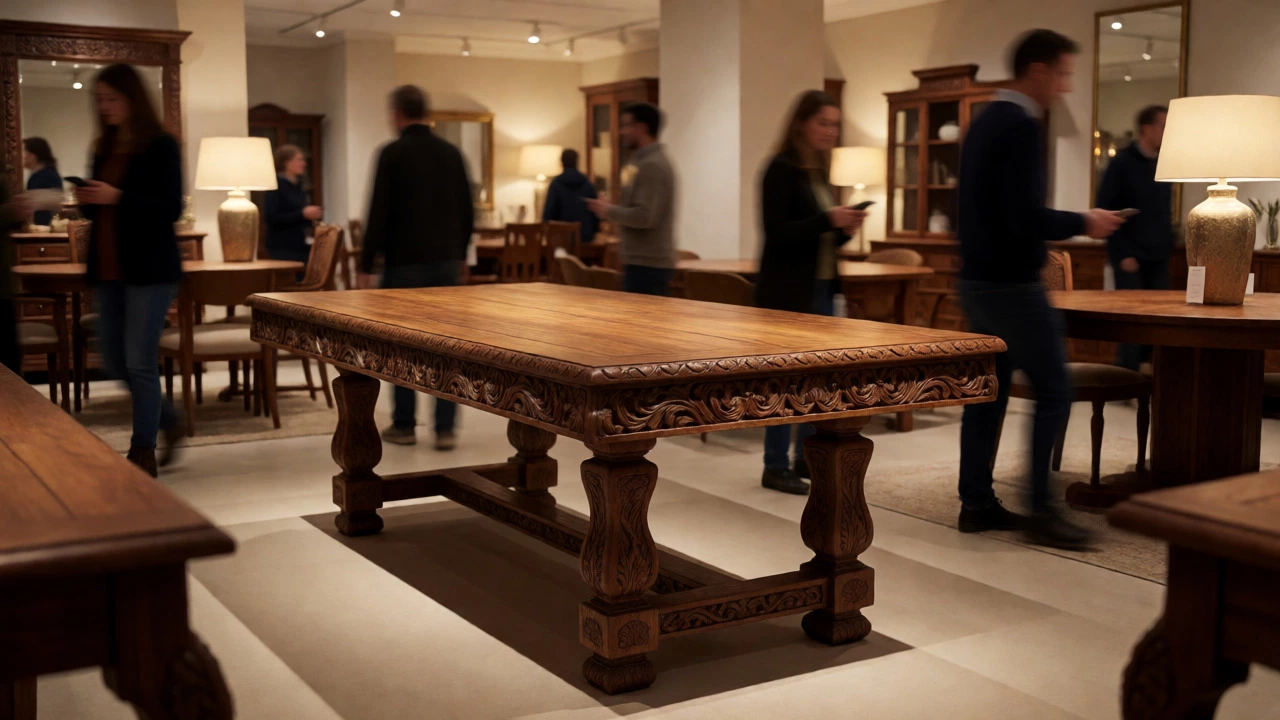
You walk into a showroom in London or New York, see a stunning teak dining table, and wonder: who actually built this? Was it a craftsman in Jodhpur, a designer in Milan, or a factory robot in Vietnam? The answer isn't just about geography; it's about material sourcing, labor expertise, and supply chain efficiency. There is no single "best" country for all furniture. Instead, different regions dominate specific niches. If you want high-end Italian leather sofas, you look to Tuscany. If you need durable, affordable solid wood pieces, India and Vietnam are often where the magic happens.
This guide breaks down the global landscape of furniture manufacturing. We will look at why certain countries lead the pack, how India fits into this picture, and what you should consider when choosing a manufacturer, whether you are a retailer, an interior designer, or someone building their dream home.
The Key Players: Who Dominates Global Production?
When we talk about "best," we have to define our metrics. Are we talking about volume? Design innovation? Or craftsmanship quality? China remains the world's largest exporter by sheer volume, but that doesn't always mean it offers the best value for every buyer. Let's look at the major hubs.
| Country/Region | Primary Strength | Common Materials | Best For |
|---|---|---|---|
| Italy | Design & Luxury Craftsmanship | Leather, Marble, High-grade Wood | High-end residential, designer collections |
| Germany | Engineering & Office Ergonomics | Steel, Mesh, Engineered Wood | Office chairs, modular systems |
| India | Handcrafted Solid Wood & Cost Efficiency | Sheesham, Teak, Mango Wood | Artisanal pieces, bulk export, custom woodwork |
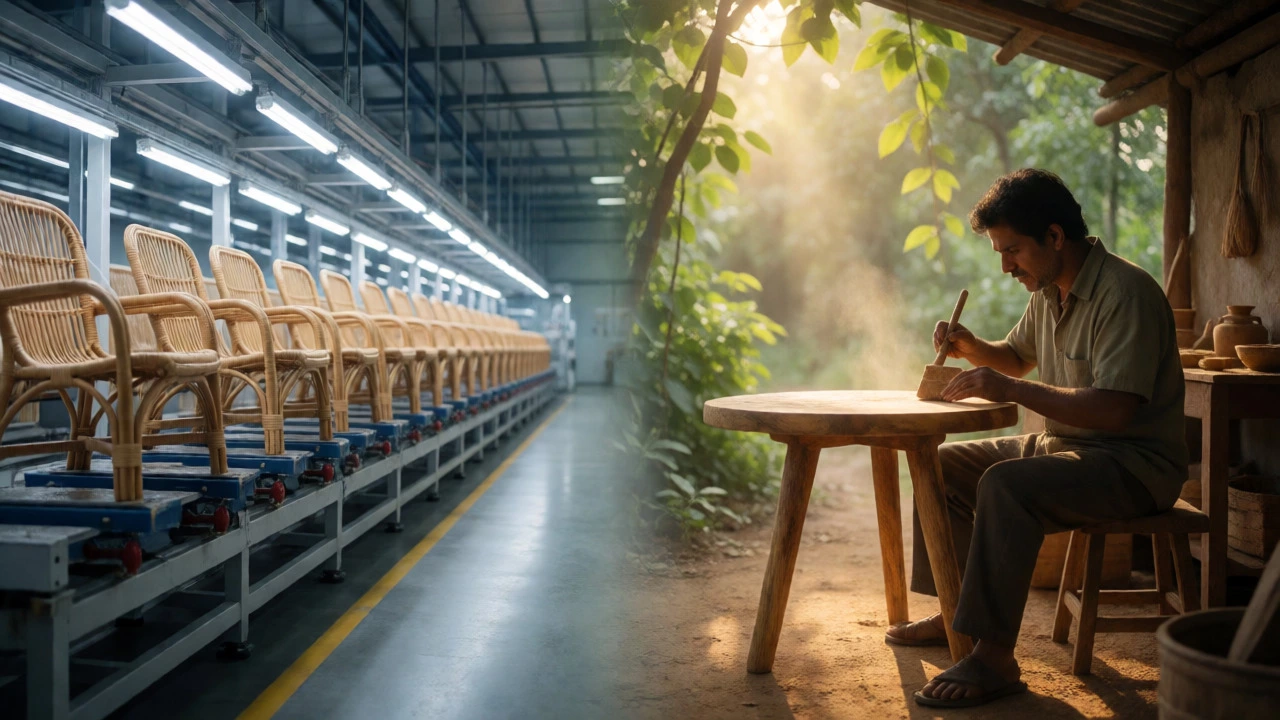
| Vietnam | Mass Production & Rattan/Wicker | Rattan, Acacia, Bamboo | Outdoor furniture, large retail chains |
| China | Scale & Variety | MDF, Plywood, Metal, Plastic | Budget-friendly flat-pack, diverse styles |
Notice the pattern? Italy sells design. Germany sells engineering. India sells heritage and hand-skills. Vietnam sells volume with a tropical twist. Choosing the "best" depends entirely on what your project needs.
Why India Is Emerging as a Top-Tier Manufacturer
For decades, India was seen primarily as a source of raw materials or low-cost labor. That narrative has shifted dramatically. Today, cities like Jodhpur, Moradabad, and Saharanpur are global powerhouses for Indian furniture exports. Why the change? It comes down to three factors: skilled artisanal labor, access to premium hardwoods, and improved logistics infrastructure.
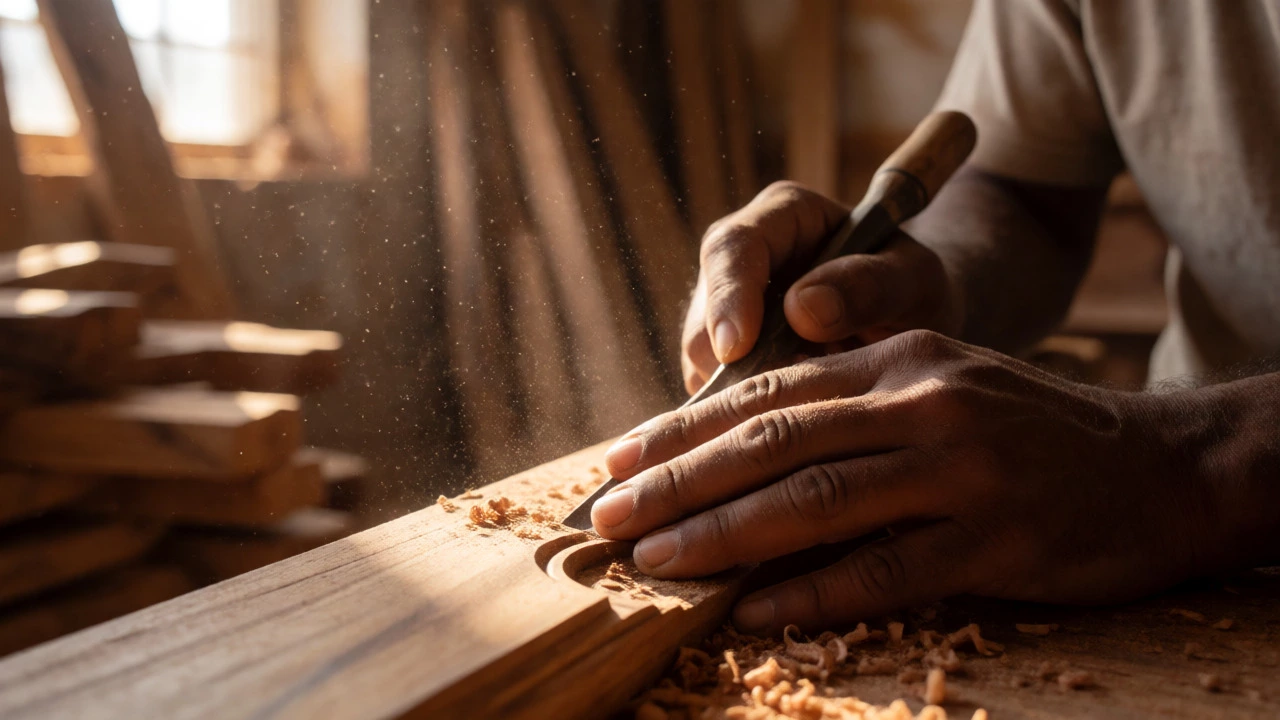
Jodhpur, for instance, is famous for its intricate hand-carving. You cannot replicate the depth and detail of a hand-carved Sheesham bed with a CNC machine alone. While machines offer speed, they lack soul. Buyers looking for unique, statement pieces often turn to Indian artisans because the human touch adds value that mass-produced items simply can't match.
Moreover, India’s timber resources are vast. Species like Sheesham (Indian Rosewood), Teak, and Mango Wood are abundant. Unlike countries that rely heavily on imported lumber, Indian manufacturers have direct access to these woods, which keeps costs competitive without sacrificing durability. If you are sourcing for a boutique hotel or a high-end retail brand, Indian suppliers can offer customization at prices that European counterparts struggle to match.
Quality vs. Price: Finding the Sweet Spot
Let's be real: nobody wants to buy cheap furniture that falls apart in two years. But paying for Italian design might not make sense if you are furnishing a rental property. So, how do you balance cost and quality?
Start by identifying the component that matters most. Is it the frame? The upholstery? The finish? In many cases, you can mix sources. Buy your structural frames from robust manufacturers in India or Vietnam, and source your high-tech ergonomic mechanisms from Germany. This hybrid approach lets you control costs while ensuring critical components last.
Another tip: ask about the finishing process. Cheap furniture often uses thin veneers that peel. Quality manufacturers use solid wood or thick veneers with multi-layer lacquer. When vetting a supplier, request a sample cross-section. Seeing the layers tells you more than any brochure ever could.
Sustainability: The New Metric for "Best"
Gone are the days when sustainability was just a marketing buzzword. Today, it is a hard requirement for retailers and conscious consumers. The EU Deforestation Regulation (EUDR) and similar laws in the US are forcing manufacturers to prove their wood is legally sourced.
Here is where some regions shine. Countries with strict forestry management, like those in Scandinavia, produce certified sustainable wood. However, emerging economies are catching up fast. Many Indian and Vietnamese factories now hold FSC (Forest Stewardship Council) certifications. They also focus on using waste products-like sawdust for biomass energy-which reduces the carbon footprint of production.
If you are importing, demand transparency. Ask for the chain of custody documentation. A reputable manufacturer will provide this without hesitation. If they hesitate, walk away. Greenwashing is rampant, and verifying claims is your job as the buyer.
How to Vet a Manufacturer (Checklist)
Whether you are dealing with a local workshop or an overseas giant, due diligence saves headaches. Here is a quick checklist to ensure you are working with a serious player:
- Factory Audit: Can you visit? If not, request a live video tour. Look for cleanliness and organization. Chaos on the floor usually means chaos in the shipping container.
- Material Certifications: Do they have FSC, PEFC, or ISO certificates? These aren't just paper; they indicate process discipline.
- Lead Times: Be realistic. Custom handcrafted furniture takes time. If a vendor promises 30-day delivery for complex carved pieces, they might be cutting corners.
- Communication: Are they responsive? Clear communication prevents misunderstandings about specs, finishes, and packaging.
- References: Ask for case studies. Have they shipped to your region before? Knowing how they handle customs and freight is crucial.
The Future of Furniture Sourcing
We are seeing a shift toward nearshoring. Retailers are getting tired of long ocean freight times and geopolitical risks. This benefits regions closer to end markets. For Europe, Eastern Europe and Turkey are gaining traction. For the US, Mexico and Central America are becoming popular alternatives to Asia.
However, technology is leveling the playing field. Digital showrooms and AI-driven supply chain tools allow buyers to monitor production in real-time, regardless of location. This transparency makes remote sourcing safer than ever. Whether you choose India, Italy, or Vietnam, the key is leveraging these tools to maintain oversight.
Ultimately, the "best" furniture maker is the one that aligns with your specific project goals. Don't chase trends; chase reliability and quality that matches your price point. The world is full of incredible craftsmen-you just need to know where to look.
Which country produces the highest quality furniture?
There is no single answer, as "quality" depends on the type of furniture. Italy is widely regarded as the leader for luxury design and leather goods. Germany excels in ergonomic office furniture and engineering precision. India and Japan are renowned for traditional woodworking craftsmanship and durability. The best choice depends on whether you prioritize aesthetic design, functional engineering, or artisanal detail.
Is Indian furniture good for export?
Yes, Indian furniture is highly competitive in the global market, particularly for solid wood pieces. Major export hubs like Jodhpur and Moradabad specialize in hand-carved and rustic-style furniture. Indian manufacturers offer a strong combination of skilled labor, access to premium hardwoods like Sheesham and Teak, and competitive pricing compared to Western producers.
What are the main challenges when importing furniture?
Key challenges include long lead times, complex logistics, and customs regulations. Importers must navigate tariffs, ensure compliance with safety standards (such as flammability tests), and manage potential damage during transit. Working with experienced freight forwarders and requesting detailed packaging specifications can mitigate these risks.
How does sustainability affect furniture manufacturing choices?
Sustainability impacts sourcing decisions through regulations like the EU Deforestation Regulation (EUDR). Manufacturers must provide proof of legal timber harvesting. Buyers increasingly prefer suppliers with FSC certification and eco-friendly production processes, such as water-based finishes and waste reduction initiatives, to meet consumer demand for green products.
Can I trust online furniture manufacturers?
Online manufacturers can be reliable, but verification is essential. Look for companies with verifiable physical addresses, customer reviews on independent platforms, and clear return policies. Requesting samples of materials or visiting trade shows helps build confidence before placing large orders.