Select Your Investment Focus
Choose the chemical segment you are interested in to see estimated market share distribution among top players.
Top Players Breakdown
Market Share Distribution
Key Insight
Select a sector to view insights.
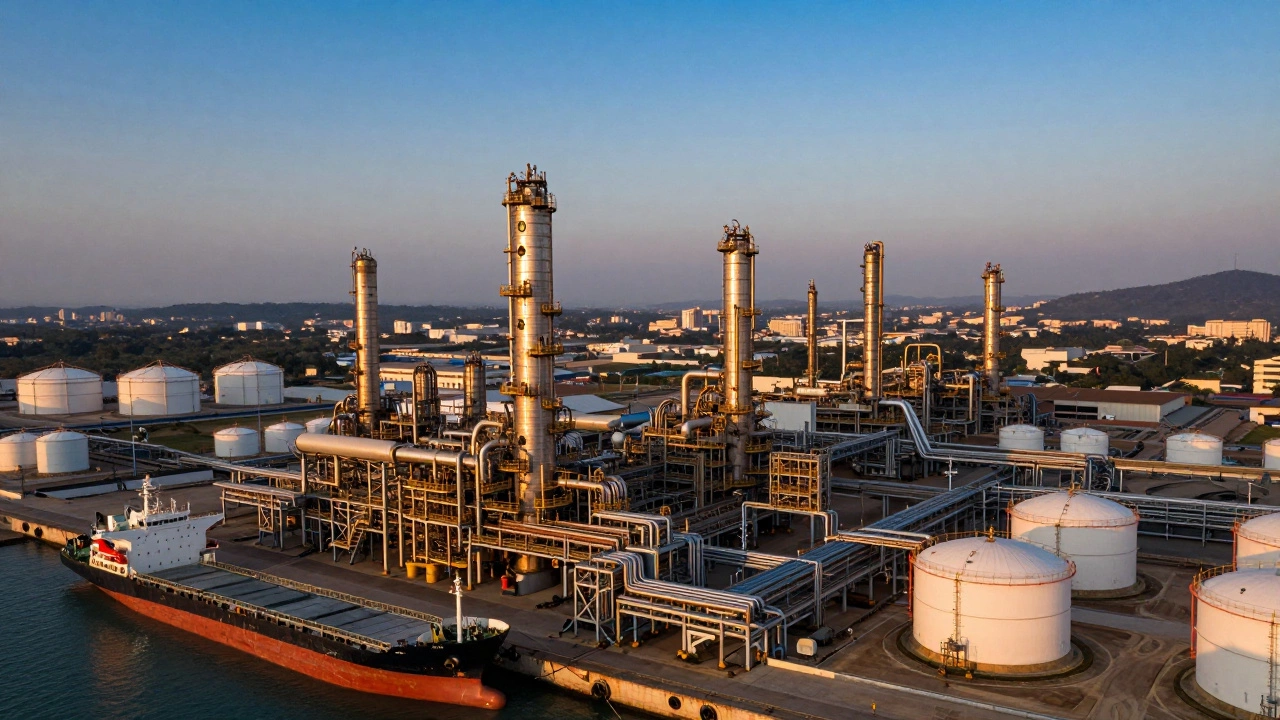
When you ask who the biggest chemical company in India is, the answer isn't just about one name. It depends on whether you mean revenue, production volume, or specific chemical segments. However, if we look at total market capitalization and sheer scale of operations, Reliance Industries Limited (RIL) is the undisputed giant of the Indian chemical and petrochemical sector. RIL dominates the landscape through its Jamnagar refinery complex, which is one of the largest in the world. But the story doesn't end there. The Indian chemical industry is a fragmented beast with several other heavyweights competing fiercely in specialties like agrochemicals, specialty chemicals, and fertilizers.
The Indian chemical industry is the fourth-largest in the world by value. It contributes significantly to the country's GDP and exports. Understanding who leads this pack requires looking beyond just the brand names. You need to understand the structure of the market. Are we talking about commodity chemicals, where volume matters most? Or specialty chemicals, where innovation and niche applications drive profit? This distinction changes the "biggest" player entirely.
Before we break down the top players, it helps to know what drives this industry. Demand from downstream sectors like agriculture, pharmaceuticals, paints, and textiles fuels growth. As India’s middle class expands and manufacturing shifts towards "Make in India," the demand for high-quality raw materials skyrockets. This creates opportunities not just for the giants but also for mid-sized firms specializing in specific compounds.
Reliance Industries: The Petrochemical Colossus
If size is the only metric, Reliance Industries stands alone. RIL is not just an oil refiner; it is a massive producer of petrochemicals. Its Integrated Refinery-Petrochemical Complex in Jamnagar processes millions of barrels of crude oil daily. From this, it produces a vast array of olefins, aromatics, and polymers. These are the building blocks for plastics, synthetic fibers, and countless other consumer goods.
RIL’s dominance comes from vertical integration. They control the entire chain from crude oil procurement to final polymer products. This allows them to manage costs effectively even when global oil prices fluctuate. In 2025-26, their petrochemical segment continues to be a cash cow, funding their expansion into digital services and new energy ventures. For anyone looking at the broadest definition of "chemical company," RIL is the benchmark.
Hindustan Unilever and ITC: Consumer-Facing Giants
While RIL makes the raw materials, companies like Hindustan Unilever (HUL) and ITC consume them. But wait, are they chemical companies? Technically, HUL is a consumer goods company, but its underlying business relies heavily on chemical formulations. Soaps, detergents, personal care products-these are all applied chemistry. If you measure by brand value and reach, HUL is arguably more influential than any pure-play chemical manufacturer.
However, in strict industrial terms, we usually exclude FMCG giants from the "chemical manufacturer" list unless they have significant B2B chemical divisions. That said, understanding their role is crucial because they dictate demand trends. When HUL launches a new detergent formula, it ripples through the supply chain, affecting suppliers of surfactants and enzymes.
The Specialty Chemical Champions
This is where things get interesting. While RIL wins on volume, other companies win on margin and expertise. Specialty chemicals are high-value, low-volume products used in specific industries like pharma, electronics, and automotive. Here, the "biggest" players are often smaller in revenue but larger in technological capability.
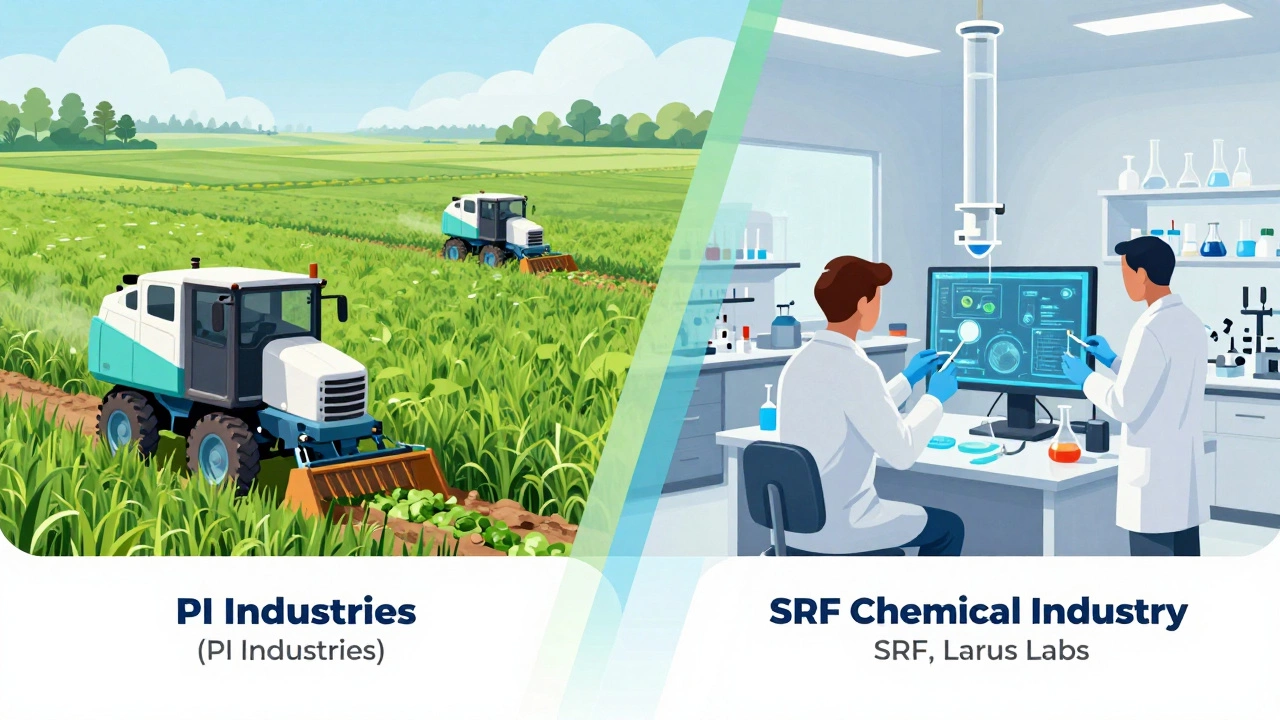
PI Industries is a leading manufacturer of crop protection chemicals and intermediates. PI has grown aggressively through acquisitions and organic expansion. They are a key player in the agrochemical space, supplying active ingredients to global agribusinesses. Their focus on R&D allows them to produce complex molecules that command higher prices.
Another major name is SRF Limited is India’s largest manufacturer of silicone chemicals and fluoropolymers. Silicones are used everywhere-from sealants and adhesives to medical devices and electronics. SRF has built a strong moat around its technology, making it difficult for competitors to replicate its product quality. In the niche of silicones, SRF is arguably the biggest and most respected player in India.
Fertilizers and Agrochemicals
Agriculture is the backbone of India’s economy, so companies involved in fertilizers hold immense strategic importance. NMDC Limited and COROMANDEL International are key players in the fertilizer and nutrient management sector. Coromandel, backed by Tata Chemicals, is a household name among farmers. They don’t just sell urea; they provide comprehensive soil health solutions.
Tata Chemicals itself deserves a special mention. While it started as a soda ash producer, it has diversified into chlor-alkali, caustic soda, and even food products (like Tata Salt). Soda ash is critical for glass and detergent manufacturing. Tata Chemicals’ ability to pivot and diversify has kept it relevant for over a century. In the base chemicals segment, Tata Chemicals is a formidable force, often competing directly with RIL in certain product lines.
Pharmaceutical Intermediates
India is known as the "pharmacy of the world." This reputation rests on the shoulders of API (Active Pharmaceutical Ingredient) manufacturers. Companies like Dishman Carbogen Amcis and Laurus Labs are major producers of pharmaceutical intermediates and APIs. These chemicals are highly regulated and require precise synthesis. The barrier to entry is high due to strict quality standards from agencies like the FDA.
In this segment, size is less important than compliance and reliability. A small error in chemical purity can lead to batch rejections worth millions. Therefore, the "biggest" companies here are those with the most robust quality control systems and global certifications. Laurus Labs, for instance, has expanded significantly into complex generics and custom synthesis, positioning itself as a top-tier partner for global pharma giants.
Comparison of Top Chemical Players
| Company | Primary Segment | Key Products | Market Position |
|---|---|---|---|
| Reliance Industries | Petrochemicals | Olefins, Aromatics, Polymers | Largest by Revenue & Volume |
| Tata Chemicals | Base Chemicals | Soda Ash, Chlor-Alkali, Caustic Soda | Leader in Soda Ash |
| SRF Limited | Specialty Chemicals | Silicones, Fluoropolymers | Domestic Leader in Silicones |
| PI Industries | Agrochemicals | Crop Protection Actives | Top Exporter in Agri-Chemicals |
| Laurus Labs | Pharma Intermediates | APIs, Custom Synthesis | High-Growth Pharma Chemistry |
Why Does This Matter?
Knowing who the biggest players are helps investors, suppliers, and policymakers make better decisions. For investors, it indicates stability and growth potential. For suppliers, it reveals where the bulk orders are going. For policymakers, it highlights areas needing support or regulation.
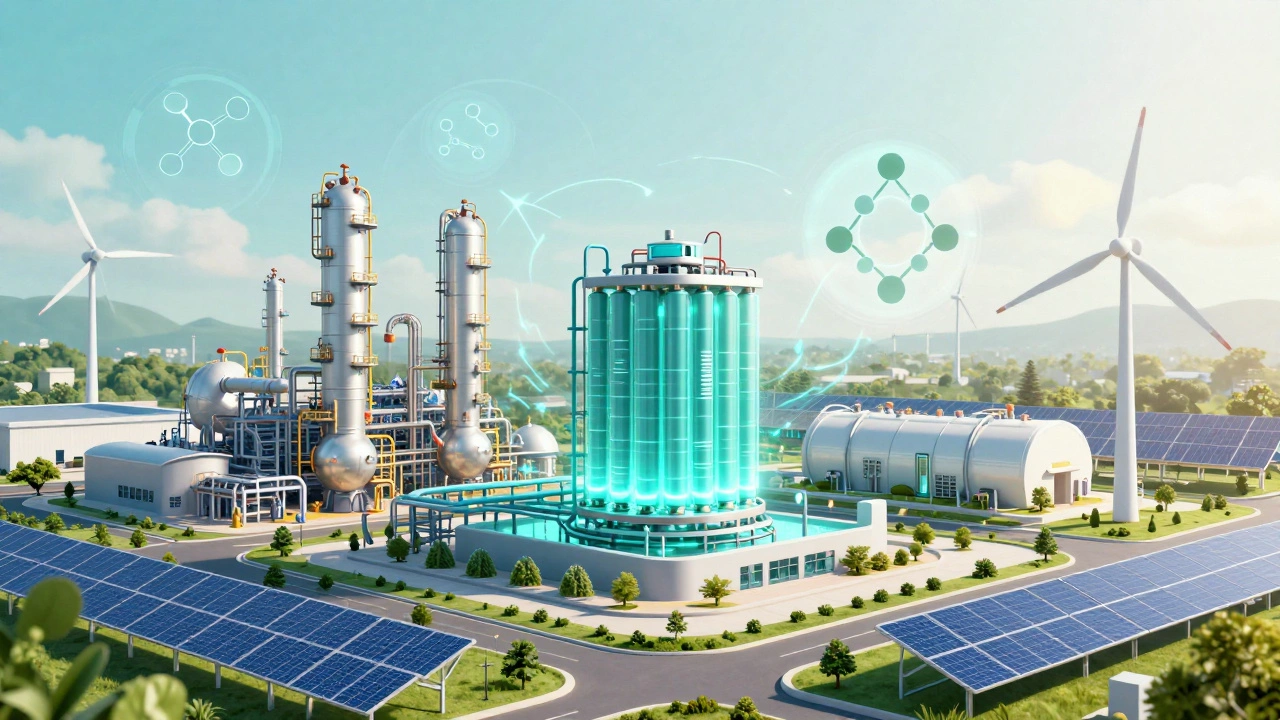
The trend is shifting towards sustainability. Companies are under pressure to reduce carbon footprints and adopt green chemistry practices. Reliance is investing heavily in renewable energy to power its refineries. Tata Chemicals is exploring circular economy models. This shift will likely reshape the hierarchy in the coming years, rewarding those who innovate sustainably.
Also, keep an eye on consolidation. Larger firms are acquiring smaller specialists to broaden their portfolios. This M&A activity will create even bigger entities, potentially challenging RIL’s monopoly in certain niches. The dynamic nature of this industry means today’s leader might face new competitors tomorrow.
For a completely different perspective on structured directories and verified listings, you might find interest in how specialized platforms organize information, such as this directory, which demonstrates the power of curated data in niche markets.
Future Outlook
By 2030, India aims to become a global hub for specialty chemicals. Government initiatives like PLI (Production Linked Incentive) schemes are boosting domestic manufacturing. This will benefit established players like SRF and PI Industries, allowing them to scale up. Meanwhile, startups focused on bio-based chemicals are emerging, offering alternatives to traditional petrochemical derivatives.
The rise of electric vehicles (EVs) is another game-changer. EV batteries require lithium, cobalt, and specialized electrolytes. Indian chemical companies are partnering with battery makers to secure these supply chains. This opens a new frontier for growth beyond traditional plastics and fertilizers.
Conclusion
So, who is the biggest chemical company in India? If you want the absolute largest by every financial metric, it’s Reliance Industries. But if you’re interested in specialty chemicals, look at SRF or PI Industries. For base chemicals, Tata Chemicals is a powerhouse. The title of "biggest" depends on your lens. What remains clear is that India’s chemical sector is vibrant, diverse, and growing rapidly. Whether you’re an investor, a student, or a business owner, keeping an eye on these leaders provides valuable insights into the broader economic landscape.
Is Reliance Industries solely a chemical company?
No, Reliance Industries is a conglomerate. While its petrochemical division is massive and profitable, it also operates in telecommunications (Jio), retail, and digital services. However, its chemical and refining business remains a core pillar of its revenue.
Which Indian company is the largest exporter of chemicals?
Export leadership varies by segment. In agrochemicals, PI Industries and UPL are top exporters. In pharmaceutical intermediates, companies like Divis Laboratories and Laurus Labs lead. Overall, India is one of the top chemical exporters globally, with a mix of large and mid-sized firms contributing.
What is the difference between commodity and specialty chemicals?
Commodity chemicals are produced in large volumes with low margins (e.g., ethylene, benzene). They are standardized and price-sensitive. Specialty chemicals are produced in smaller volumes with high margins. They offer unique properties and performance benefits for specific applications (e.g., silicones, catalysts).
How does the government support the chemical industry in India?
The government supports the industry through policies like the Chemical Park Scheme, which provides infrastructure for clustering. Additionally, Production Linked Incentive (PLI) schemes for pharmaceuticals and specialty chemicals encourage domestic manufacturing and export growth.
Are there any upcoming trends in the Indian chemical sector?
Key trends include the shift towards green chemistry, increased adoption of AI in process optimization, and growth in bio-based chemicals. The EV boom is also driving demand for battery-related chemicals, creating new opportunities for Indian manufacturers.