Global Waste Crisis Knowledge Quiz
How well do you understand the complexities of the global waste problem? Take this quick quiz to test your knowledge on which countries are most affected, why it happens, and what the real solutions might be.
Loading question...
Quiz Complete!
0/5
Keep learning about our planet's waste challenges.
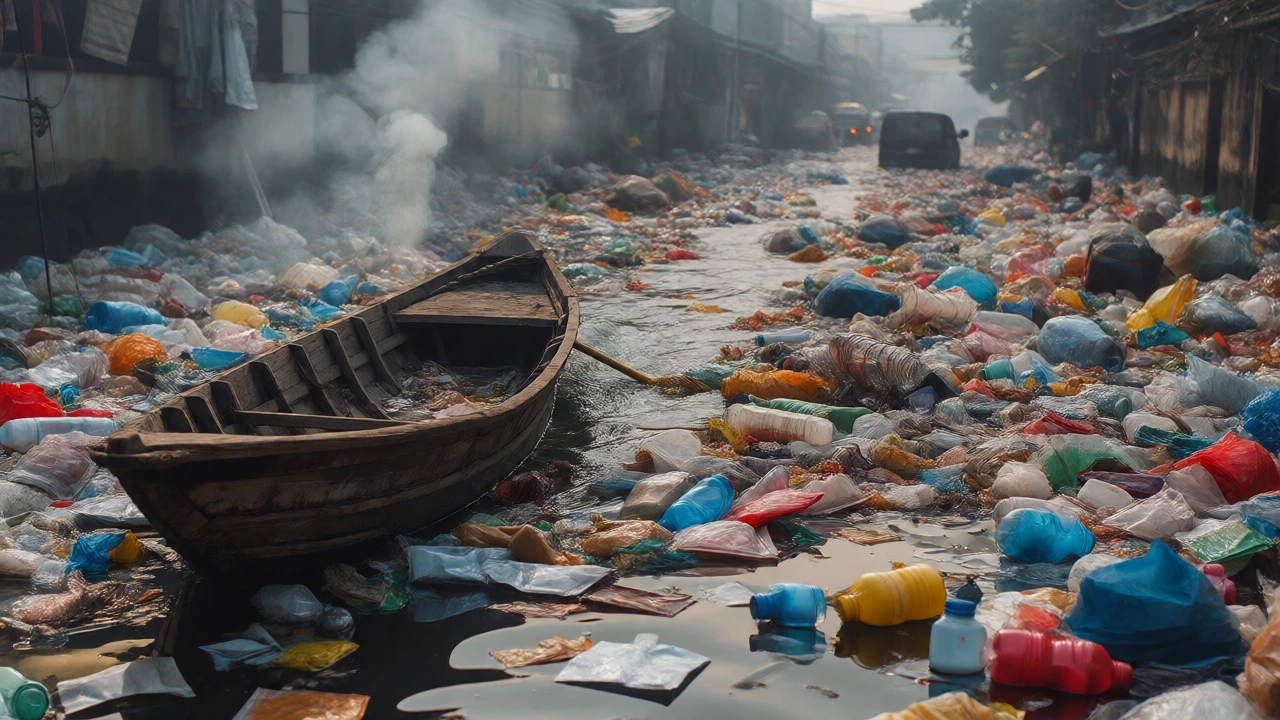
You walk down a street in Jakarta or Manila, and the air smells different. It’s not just traffic fumes; it’s the sharp, chemical tang of burning trash. You look at the canals, and they aren’t flowing with water-they’re clogged with bottles, bags, and wrappers. This isn’t an anomaly. It’s the daily reality for millions. When we ask which country has the worst waste problem, we aren’t just pointing fingers. We’re looking at a broken system where production outpaces disposal.
Here is the uncomfortable truth: there is no single "winner" in this race to the bottom because waste problems vary wildly by type. One nation might lead in electronic waste, another in ocean plastics, and a third in sheer volume per capita. But if you force a ranking based on visibility, health impact, and systemic failure, Southeast Asia and parts of South Asia consistently top the list. Why? Because these regions are both major consumers of cheap goods and dumping grounds for developed nations' recycling failures.
The Metrics That Actually Matter
Before naming names, you need to understand how experts measure this chaos. It’s not just about who throws away the most stuff. That metric favors rich countries like the United States, which generates massive amounts of municipal solid waste but often has better infrastructure to handle it (or export it). The real crisis lies in Mismanaged Waste, defined as waste that is dumped illegally or burned openly rather than collected and processed properly.
According to data from the World Bank and recent studies published in *Science*, mismanaged waste correlates directly with proximity to major shipping lanes and coastal populations. If a city grows faster than its landfill capacity, the excess spills into rivers. Those rivers act as conveyor belts to the ocean. So, when we talk about the "worst" problem, we are usually talking about leakage-the percentage of waste that escapes containment systems entirely.
Southeast Asia: The Epicenter of Plastic Leakage
If you had to pick one region, Indonesia is frequently cited as one of the world's largest contributors to ocean plastic due to high consumption rates and inadequate collection infrastructure. In 2015, a landmark study estimated that Indonesia leaked more plastic into the ocean than any other nation except China. While China has since cracked down hard on imports and domestic processing, Indonesia still struggles.
Why is Indonesia so vulnerable? It’s an archipelago of over 17,000 islands. Collecting waste from remote fishing villages is logistically nightmarish. Meanwhile, local consumption of sachets-tiny packets of shampoo, coffee, and detergent-is off the charts. These small, lightweight plastics are too valuable to recycle but too annoying to keep. They fly out of windows and end up in the Java Sea. The Philippines faces a similar fate. With thousands of inhabited islands and rapid urbanization in Metro Manila, waste collection services often miss entire neighborhoods. Residents burn what they can’t sell to informal collectors, releasing toxic dioxins into the air.
The Role of Developed Nations in Exporting the Problem
You might think the blame rests solely on the shoulders of those living near the trash piles. But let’s rewind ten years. Before China banned the import of foreign recyclables in 2018, the United States was the world's largest generator of municipal solid waste per capita, exporting significant volumes of low-grade plastics to Asia. When the door slammed shut, the global recycling market collapsed.
What happened next? Much of that waste didn’t magically disappear. It got redirected to Vietnam, Malaysia, and Thailand. Suddenly, these countries were overwhelmed. Facilities sprang up overnight, often without proper environmental controls. They accepted bales of dirty, mixed plastics from Europe and North America, stripped them for value, and dumped the residue locally. This created a secondary crisis: local communities dealing with imported trash they never asked for. So, while the US has the highest per-capita generation, its "export model" shifted the visible burden to developing nations.
Nigeria and the African Context
Move westward to Africa, and the picture changes. Nigeria is a major source of land-based plastic pollution in West Africa, driven by population growth and limited formal waste management in cities like Lagos. Lagos, one of the fastest-growing megacities on Earth, produces tons of waste daily. Formal collection reaches only a fraction of households. The rest ends up in gutters that flood during the rainy season, washing debris into the Atlantic.
In many African nations, the issue isn’t just plastic. It’s e-waste. Agbogbloshie in Ghana, for example, became infamous as a graveyard for old electronics from Europe. Workers burned cables to extract copper, poisoning the soil and their own lungs. While regulations have tightened, the flow of second-hand goods continues. The waste problem here is intertwined with poverty and lack of industrial infrastructure. It’s not just about litter; it’s about hazardous materials entering the food chain through contaminated soil and water.
| Region/Country | Primary Waste Type | Main Challenge | Global Impact |
|---|---|---|---|
| Indonesia | Packaging & Sachets | Island logistics & High consumption | High Ocean Leakage |
| India | Mixed Municipal Solid Waste | Rapid Urbanization & Open Dumping | Landfill Overflow & Air Quality |
| USA | Consumer Goods & Food Waste | Overconsumption & Recycling Contamination | High Per-Capita Generation |
| Nigeria | Plastics & E-Waste | Limited Collection Infrastructure | Coastal Pollution & Health Hazards |
Why India Is a Special Case
We cannot ignore India. As the world's most populous nation, India faces immense pressure to manage growing waste streams amidst rapid economic development. Cities like Delhi and Mumbai generate mountains of garbage. For decades, open dumps like Ghazipur in Delhi simply grew higher until they threatened to collapse onto nearby housing.
However, India is also trying to fix things. The Swachh Bharat Abhiyan (Clean India Mission) launched in 2014 aimed to eliminate open defecation and improve solid waste management. Results are mixed. You see cleaner streets in some zones, but monsoon floods still reveal the scale of the problem. India’s challenge is scale. Even if they improve efficiency by 10%, the absolute volume of waste remains staggering. Plus, cultural habits around single-use plastics in religious ceremonies and festivals add seasonal spikes that overwhelm systems.
The Hidden Cost of Cheap Plastic
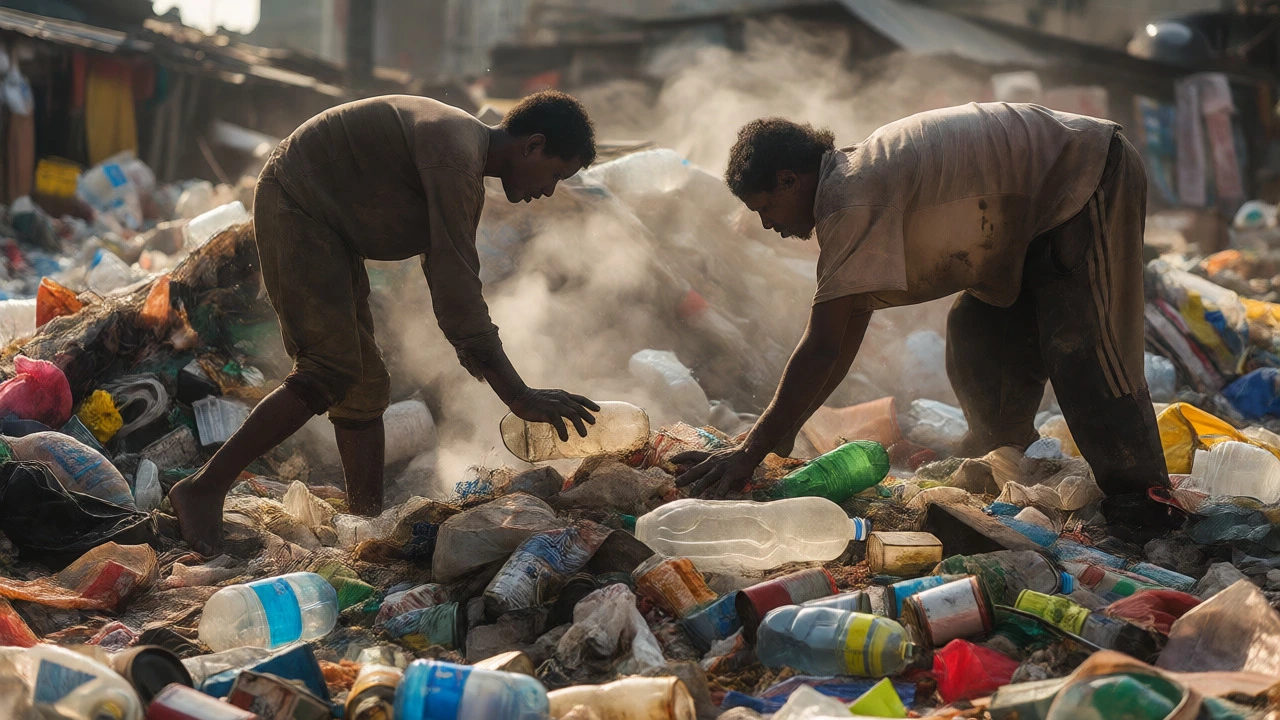
Who pays for this mess? It’s rarely the manufacturers in Germany or the USA. It’s the informal sector workers in Dhaka or Nairobi. Ragpickers sort through raw garbage heaps, recovering bottles and cans to sell to recyclers. They work without gloves, masks, or insurance. Their exposure to pathogens and toxins is severe. This human cost is often omitted from sustainability reports.
Moreover, microplastics are now found in human blood and placentas. The "worst" waste problem isn’t just visual; it’s biological. Countries with poor filtration and water treatment systems face higher ingestion rates. If you drink tap water in parts of Southeast Asia, you might be consuming microscopic fragments of your own toothbrush or grocery bag. The cycle closes, and the health bill comes due.
Can Technology Save Us?
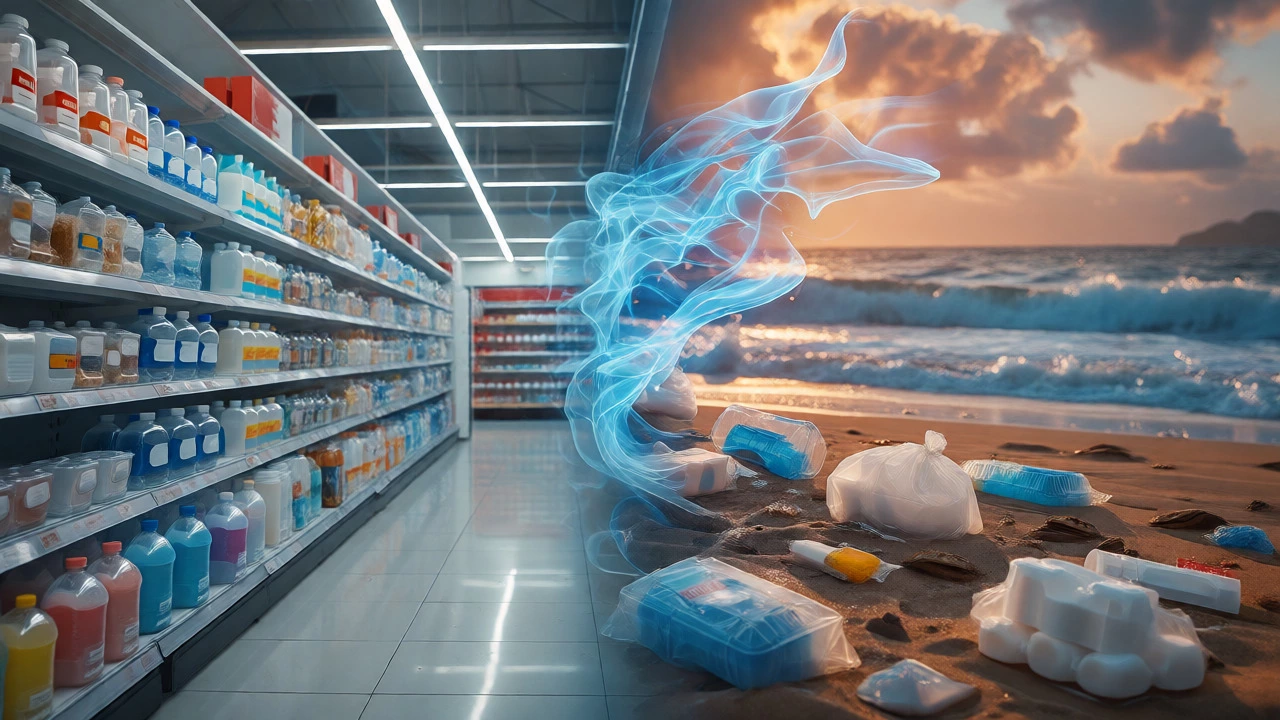
Some argue that new tech will solve this. Chemical recycling plants promise to turn dirty plastic back into virgin resin. Waste-to-energy incinerators claim to reduce landfill volume. But technology is expensive. Can a municipality in rural Indonesia afford a plasma gasification plant? Probably not. They need basic trucks and bins first.
Furthermore, recycling isn’t a silver bullet. Most plastics are downcycled-they become lower-quality products that eventually end up in landfills anyway. Only a tiny fraction gets recycled infinitely. Relying on tech alone ignores the root cause: overproduction. Until companies stop making single-use items that last five minutes but pollute for centuries, machines won’t save us.
What Does "Worst" Mean for You?
If you live in a wealthy nation, your "worst" problem is complacency. You assume recycling works. Check your local facility’s output. Often, 20-30% of curbside recycling is contaminated and sent to landfill. Your convenience creates someone else’s crisis.
If you live in a developing nation, your problem is survival. You deal with flooding caused by blocked drains and diseases spread by rats thriving in trash heaps. The solution requires political will and funding, not just individual action. Asking people to "reduce, reuse, recycle" while corporations push billions of units of non-recyclable packaging is a distraction.
Looking Ahead: Who Fixes This?
The tide is turning slowly. The UN Plastic Treaty negotiations aim to cap production globally. Extended Producer Responsibility (EPR) laws are forcing brands to pay for cleanup. But enforcement is key. Without strict penalties, fines are just the cost of doing business.
So, which country has the worst waste problem? Visibly, Indonesia and the Philippines struggle with ocean leakage. Systemically, Nigeria deals with hazardous accumulation. Statistically, the USA leads in generation. But morally, the responsibility is shared. The waste doesn’t respect borders. A bottle bought in London can wash up on a beach in Bali. The problem is global, and so must be the solution.
Which country produces the most plastic waste?
The United States produces the most plastic waste per capita. However, in terms of total volume leaking into oceans, countries like Indonesia and the Philippines are often cited as leading contributors due to infrastructure gaps and geographic vulnerability.
Why is Southeast Asia heavily affected by waste?
Southeast Asia suffers from a combination of high local consumption of single-use plastics, rapid urbanization outpacing infrastructure, and historically serving as a destination for exported recyclables from developed nations.
Does China still have a big waste problem?
China used to be the largest recipient of global waste. Since banning foreign scrap imports in 2018, they have improved domestic processing significantly. However, they remain a large producer of domestic waste, though their management systems are more centralized and funded than many developing nations.
How does waste affect human health?
Open burning releases carcinogens like dioxins. Microplastics enter the food and water chains, potentially causing hormonal disruptions. Informal waste workers face direct exposure to medical waste, sharp objects, and toxic chemicals, leading to chronic respiratory and skin conditions.
Can recycling solve the global waste crisis?
No, recycling alone cannot solve it. Current global recycling rates for plastic hover around 9%. Most plastic degrades in quality after one or two cycles. Solving the crisis requires reducing production, redesigning packaging, and improving collection infrastructure before relying on recycling technologies.