US Plastic Manufacturing Hub Finder
Select a state to discover its role in the national plastic supply chain.
Walk into any home, car, or office in the United States, and you will find plastic. It is everywhere. But have you ever stopped to think about where it actually comes from? The answer isn't just "a factory." It is a complex network of chemical plants, refineries, and processing centers spread across specific regions of the country. Understanding where plastic is made in the US requires looking at two distinct stages: the creation of raw resins (the basic chemicals) and the conversion of those resins into finished products.
The Petrochemical Heartland: Where Raw Resins Are Born
To understand the geography of plastic, you first need to understand its ingredients. Most plastics are derived from petroleum and natural gas. This means that plastic manufacturing follows energy sources. In the United States, this creates a heavy concentration in areas with abundant oil and gas reserves.
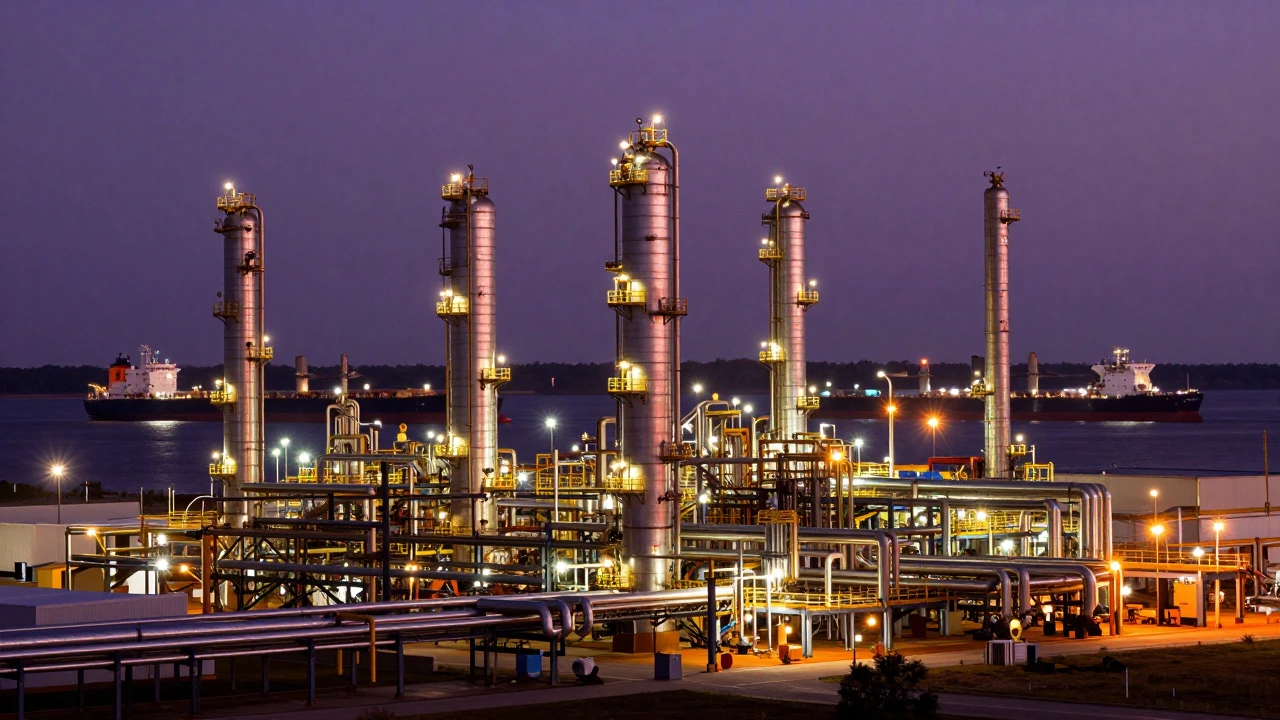
The undisputed king of raw plastic production is the Gulf Coast. Specifically, states like Texas, Louisiana, and Mississippi dominate the landscape. Why? Because these states sit on top of massive shale formations like the Permian Basin and the Eagle Ford Shale. They also have deep-water ports that allow for easy export of chemicals.
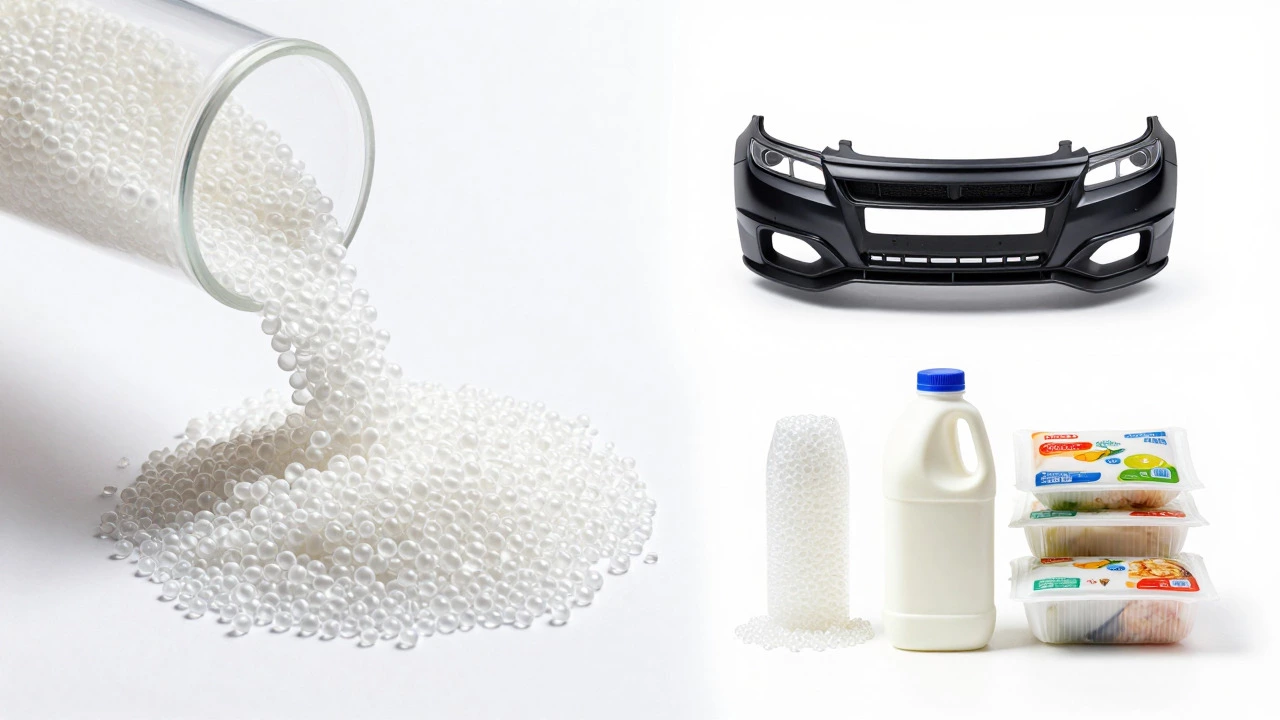
In Texas alone, cities like Baytown, La Porte, and Port Arthur house some of the largest integrated petrochemical complexes in the world. These aren't small workshops; they are industrial giants that produce millions of tons of ethylene, propylene, and polyethylene every year. Ethylene is the building block for polyethylene, which makes up everything from milk jugs to grocery bags. If you are asking where the actual material starts its life, it is almost certainly in one of these Gulf Coast hubs.
Louisiana is another critical player. The state’s industrial corridor along the Mississippi River is lined with chemical plants. Cities like Geismar and Plaquemine are major producers of polyvinyl chloride (PVC), used extensively in pipes and construction materials. The proximity to natural gas pipelines allows these facilities to operate with lower energy costs compared to plants in other parts of the country.
Secondary Hubs: The Midwest and Beyond
While the Gulf Coast produces the majority of virgin resins, other regions play significant roles in the supply chain. The Midwest, particularly Ohio, Indiana, and Illinois, has a long history of chemical manufacturing. These states benefit from being near agricultural feedstocks (for bioplastics) and having established infrastructure for transporting bulk liquids via rail and barge.
Pennsylvania and West Virginia have seen a resurgence in plastic-related activity due to the Marcellus and Utica shale plays. While they may not match the sheer volume of Texas, they contribute significantly to the national supply of natural gas liquids, which are refined into plastic precursors.
On the West Coast, California and Washington focus more on specialty polymers and recycling technologies rather than bulk commodity plastics. Their stricter environmental regulations mean fewer large-scale virgin plastic plants, but they are leaders in developing advanced recycling methods and bio-based alternatives.
From Resin to Product: Conversion Facilities
Once the raw resin is produced, it needs to be converted into usable forms. This step-known as converting-is much more geographically dispersed than resin production. Converting involves processes like injection molding, extrusion, blow molding, and thermoforming.
You will find converting facilities in nearly every state because they serve local markets. A company making automotive parts might set up shop in Michigan to be close to car manufacturers. A firm producing food packaging might locate in Wisconsin or Iowa to serve dairy farms and meat processors. This decentralization reduces shipping costs and lead times for finished goods.
For example, while the resin for a car bumper might come from Texas, the actual molding process likely happens in Ohio or Michigan. Similarly, plastic bottles for beverages are often filled and packaged near distribution centers, meaning bottling plants act as secondary points of plastic transformation.
| State | Primary Role | Key Products | Major Hubs/Cities |
|---|---|---|---|
| Texas | Resin Production | Polyethylene, Polypropylene | Baytown, La Porte, Port Arthur |
| Louisiana | Resin & Chemicals | PVC, Styrene | Geismar, Plaquemine, Baton Rouge |
| Mississippi | Resin Production | Polyethylene, Ethylene | Wiggins, Pascagoula |
| Ohio | Conversion & Specialty | Automotive Parts, Packaging | Cincinnati, Cleveland |
| Michigan | Conversion | Auto Components, Consumer Goods | Detroit Metro Area |
| California | Recycling & Bio-plastics | Specialty Polymers, Recycled Content | Los Angeles, San Francisco Bay Area |
Major Players in the Industry
A few multinational corporations control a significant portion of US plastic production. Understanding who makes what helps clarify the geographic distribution.
Dow Inc. and DuPont (now part of Corteva for agriculture, but Dow retains chemical assets) are historical giants. Dow has massive operations in Freeport, Texas, and Beloit, Wisconsin. LyondellBasell, a Dutch-American company, has huge facilities in Louisiana and Texas. SABIC, based in Saudi Arabia but with major US operations, runs plants in Texas and Louisiana. Eastman Chemical is headquartered in Kingsport, Tennessee, and focuses on specialty materials and recycled content.
These companies don't just make one type of plastic. They produce a range of polymers tailored to different industries. For instance, SABIC is known for high-performance engineering plastics used in electronics, while LyondellBasell dominates the market for standard polyolefins used in packaging.
The Rise of Recycling and Circular Economy
As environmental concerns grow, the map of plastic production is shifting slightly. There is an increasing emphasis on mechanical and chemical recycling. This doesn't necessarily move production away from existing hubs, but it adds new layers to the infrastructure.
States like Virginia and Maryland are seeing investments in advanced recycling facilities that break down old plastics into their molecular components to create new, virgin-quality resin. This technology aims to reduce reliance on fossil fuels and close the loop on plastic waste. Companies like Carbios and Loop Industries are partnering with traditional manufacturers to integrate these technologies.
This shift means that future plastic production might become more localized around population centers where waste is generated, rather than solely around oil fields. However, for now, the Gulf Coast remains the epicenter.
Environmental and Regulatory Landscape
Plastic manufacturing is heavily regulated. The Environmental Protection Agency (EPA) oversees emissions, wastewater discharge, and hazardous waste management. State agencies add another layer of complexity. In California, for example, the CalGreen standards and strict air quality rules can make it difficult to build new large-scale resin plants.
Communities near these facilities often raise concerns about health impacts and environmental justice. Cities like Port Arthur, Texas, have faced scrutiny over pollution levels. This has led to increased transparency requirements and community engagement efforts by manufacturers. As a result, new projects face longer approval processes and must demonstrate robust environmental safeguards.
How to Find Specific Manufacturers
If you are looking to source plastic products or raw materials, knowing the general regions is a start, but you need specific contacts. Here are practical steps:
- Use Industry Directories: Websites like Thomasnet.com list thousands of US manufacturers. You can filter by product type, location, and capabilities.
- Check Trade Associations: The American Chemistry Council (ACC) provides data on chemical production and member companies. The Society of Plastics Engineers (SPE) offers resources for finding converters and molders.
- Attend Trade Shows: Events like NPE (National Plastics Exposition) bring together resin producers, machine builders, and converters. It’s a great place to see new technologies and meet suppliers face-to-face.
- Look at Supply Chain Maps: Some consulting firms publish detailed maps of the chemical industry, showing plant locations and capacities. These can be valuable for strategic planning.
Future Trends Shaping Production Locations
The next decade will likely see changes in where and how plastic is made. Electrification of chemical plants could reduce the advantage of cheap natural gas, potentially allowing production to move closer to demand centers. Advances in bio-based plastics might shift production toward agricultural states like Iowa and Illinois, where corn and soybeans are grown.
Additionally, trade policies and tariffs can influence decisions. If imports become more expensive, domestic production may increase. Conversely, if global competition intensifies, US manufacturers might consolidate to remain cost-competitive.
Ultimately, while the core infrastructure is entrenched in the Gulf Coast, the industry is evolving. Diversification, sustainability, and technological innovation are creating new opportunities in unexpected places.
Which state produces the most plastic in the US?
Texas is the leading producer of plastic resins in the United States, followed closely by Louisiana and Mississippi. These states benefit from abundant natural gas and petroleum resources, as well as extensive port infrastructure for exporting chemicals.
What is the difference between resin production and plastic converting?
Resin production involves creating the basic polymer chemicals (like polyethylene or PVC) from raw materials such as oil and natural gas. This is typically done in large petrochemical plants. Plastic converting takes these resins and shapes them into final products through processes like injection molding or extrusion. Converting facilities are found nationwide, close to end-users.
Are there plastic manufacturing jobs available outside the Gulf Coast?
Yes, while resin production is concentrated in the Gulf Coast, converting and recycling jobs are available across the country. States like Michigan, Ohio, California, and North Carolina have strong manufacturing sectors for automotive parts, packaging, and consumer goods.
How does recycling impact where plastic is made?
Advanced recycling facilities are beginning to emerge in states with high population densities and strict environmental regulations, such as California and Virginia. These facilities aim to turn waste plastic back into resin, potentially reducing the need to transport raw materials long distances and creating new local production hubs.
Who are the biggest plastic manufacturers in the US?
Major players include Dow Inc., LyondellBasell, SABIC, Eastman Chemical, and ExxonMobil Chemical. These companies operate large-scale facilities primarily in Texas, Louisiana, and Mississippi, producing a wide range of polymers for various industries.
Is plastic production moving away from oil-dependent regions?
Not yet, but it may happen gradually. The current infrastructure is deeply tied to oil and gas fields. However, the rise of bio-based plastics and electrified chemical processes could eventually allow production to shift toward agricultural areas or regions with renewable energy sources.
What environmental regulations affect plastic manufacturing?
The EPA regulates emissions and waste disposal. State-level agencies enforce additional rules on air quality and water usage. Communities near plants often advocate for stricter controls, leading to increased scrutiny and reporting requirements for manufacturers.
Can I find plastic manufacturers in my state?
Likely yes. While large resin plants are concentrated in a few states, smaller converting facilities exist in almost every state. Use online directories like Thomasnet or contact your state's economic development agency to find local manufacturers.