Plastic Sourcing Strategy Selector
Select your production profile below to identify the most suitable supplier type (Petrochemical, Distributor, Recycler, or Specialist).
Production Profile
Enter your details to see recommended suppliers.
You might think a plastic bottle starts its life at the recycling plant or the oil well. But for most manufacturers, the journey begins in a warehouse full of small, uniform pellets that look suspiciously like lentils or fish food. These are polymer resins, and they are the universal currency of the plastics industry. If you are running a factory, whether it is making car dashboards in Coventry or yogurt cups in Bristol, your biggest headache isn't usually the molding machine. It's securing a steady, affordable stream of these tiny beads.
The question "where do we get our plastic?" has no single answer. It depends entirely on what you make, how much you need, and how strict your quality control is. A toy manufacturer needs different materials than a medical device maker. Let’s break down the actual supply chains manufacturers use today, moving from the big global players to the niche specialists.
The Global Giants: Petrochemical Refineries
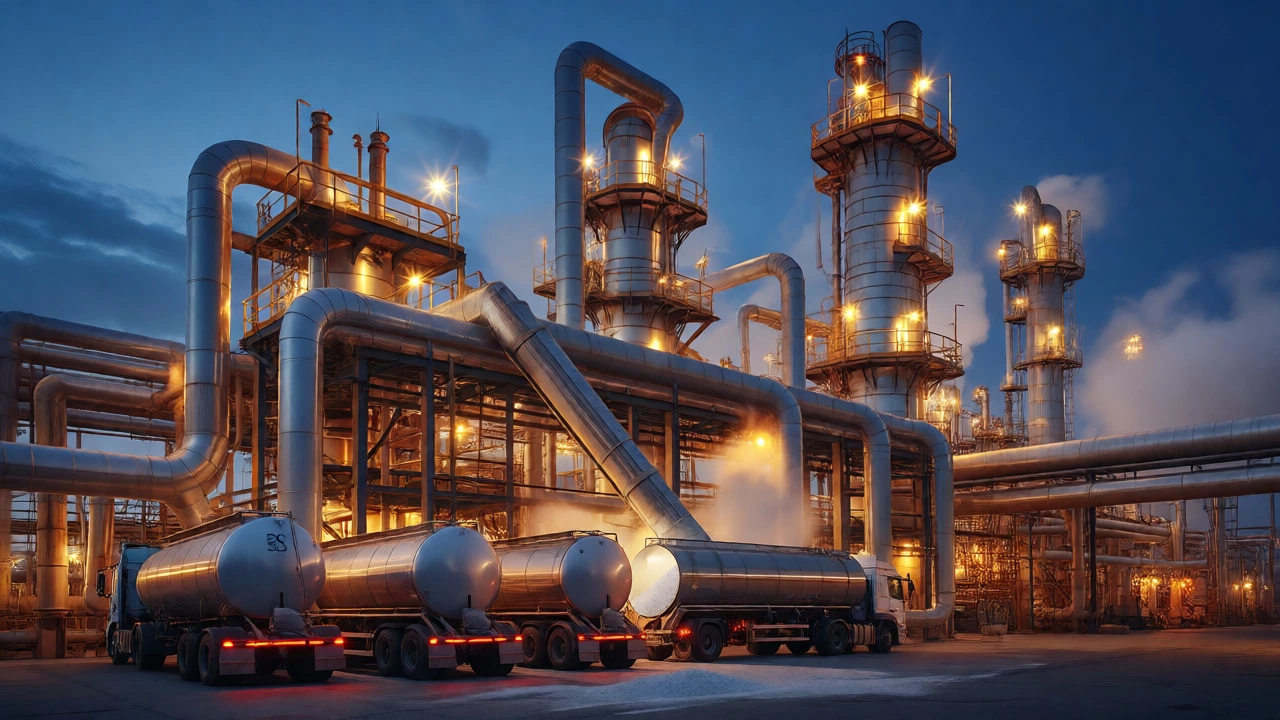
For high-volume production-think water bottles, grocery bags, or automotive parts-the source is almost always one of the massive petrochemical corporations. Companies like BASF, Dow Inc., and LyondellBasell dominate this space. They don't just sell plastic; they refine crude oil and natural gas into monomers, then polymerize them into resins like Polyethylene (PE) or Polypropylene (PP).
Why go direct to these giants? Price stability and volume. If you are producing millions of units, you negotiate contracts directly with these producers. You aren't buying a bag of resin; you are buying a tanker truckload or a railcar shipment. The downside? Minimum order quantities can be huge, and if their refinery goes offline for maintenance (which happens more often than you'd think), your production line stops dead.
| Source Type | Best For | Lead Time | Cost Structure |
|---|---|---|---|
| Petrochemical Producers | High-volume commodity plastics (PE, PP) | Long (Contract-based) | Lowest per unit, high minimums |
| Distributors | Medium volume, varied grades | Short (Stocked locally) | Moderate markup, flexible orders |
| Recyclers | Sustainable branding, non-food contact | Variable (Quality dependent) | Often cheaper, inconsistent quality |
| Bio-plastic Specialists | Niche eco-friendly products | Medium | Premium pricing |
The Middlemen: Resin Distributors
Most small-to-medium manufacturers don't buy directly from Dow or ExxonMobil. Why? Because those big guys want million-dollar contracts, not ten-pallet orders. This is where resin distributors come in. Think of them as the wholesalers of the plastic world. Companies like Univar Solutions or regional specialized traders buy in bulk from the producers and break it down into manageable lots.
Working with a distributor saves you from logistical nightmares. They hold inventory in local warehouses, meaning you can get same-day or next-day delivery if you run out of stock unexpectedly. They also offer technical support. If your injection mold is failing because the melt flow index is off by a fraction, a good distributor’s rep will help you tweak the grade selection without you having to hire a PhD in polymer science.
The Green Shift: Post-Consumer Recycled (PCR) Resin
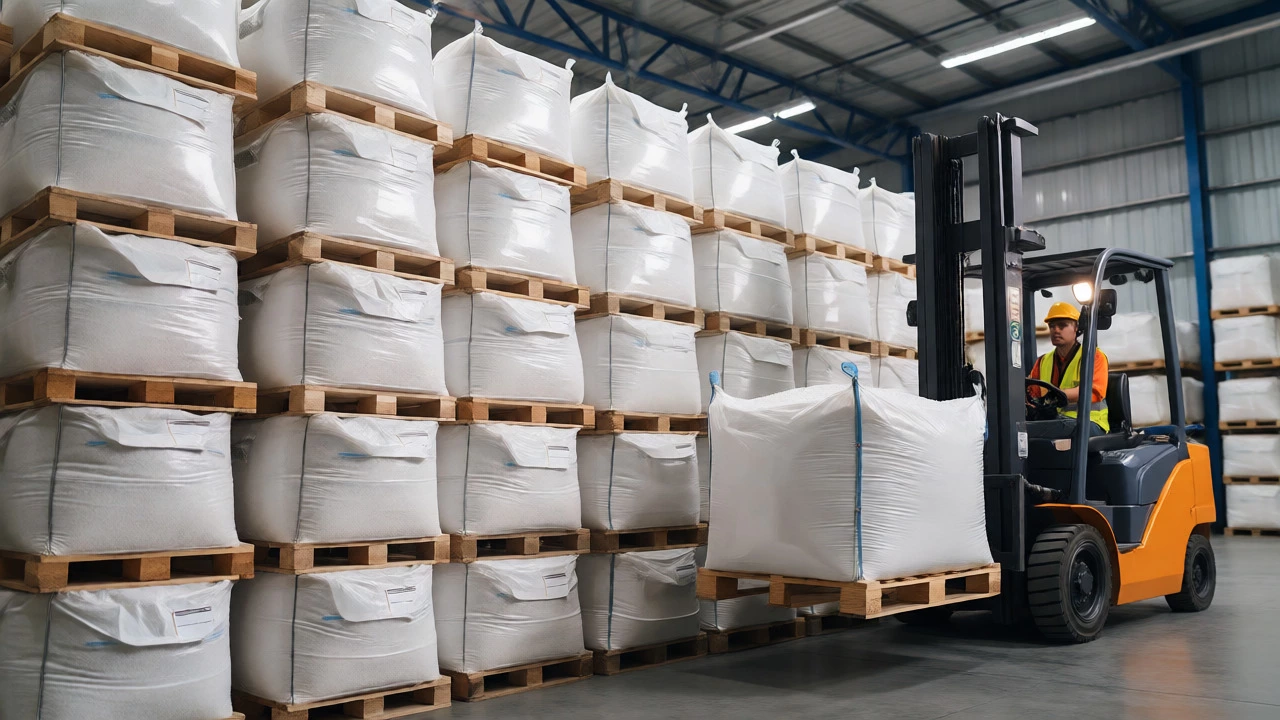
Here is where things get tricky-and expensive. Brands are under immense pressure to use recycled content. But "recycled plastic" isn't a simple commodity. Unlike virgin resin, which comes from a controlled chemical process, Post-Consumer Recycled (PCR) resin varies wildly depending on where the waste was collected and how it was cleaned.
Manufacturers source PCR from two main places:
- Waste Management Partnerships: Large factories partner with waste collectors (like Veolia or Suez) to guarantee a stream of clean, sorted waste. This is rare and usually reserved for giants like Coca-Cola or Unilever.
- Specialized Recyclers: Smaller manufacturers buy flake or pelletized rPET/rHDPE from independent recyclers. In the UK, firms like Cleanaway or Viridor process household waste into usable feedstock.
The catch? Quality consistency. One batch might be clear and strong; the next might have a gray tint or brittle spots due to contamination. If you are making a transparent shampoo bottle, you cannot risk cloudy plastic. Many manufacturers end up blending 30% PCR with 70% virgin resin to balance sustainability claims with structural integrity.
Niche Markets: Bio-based and Engineering Plastics
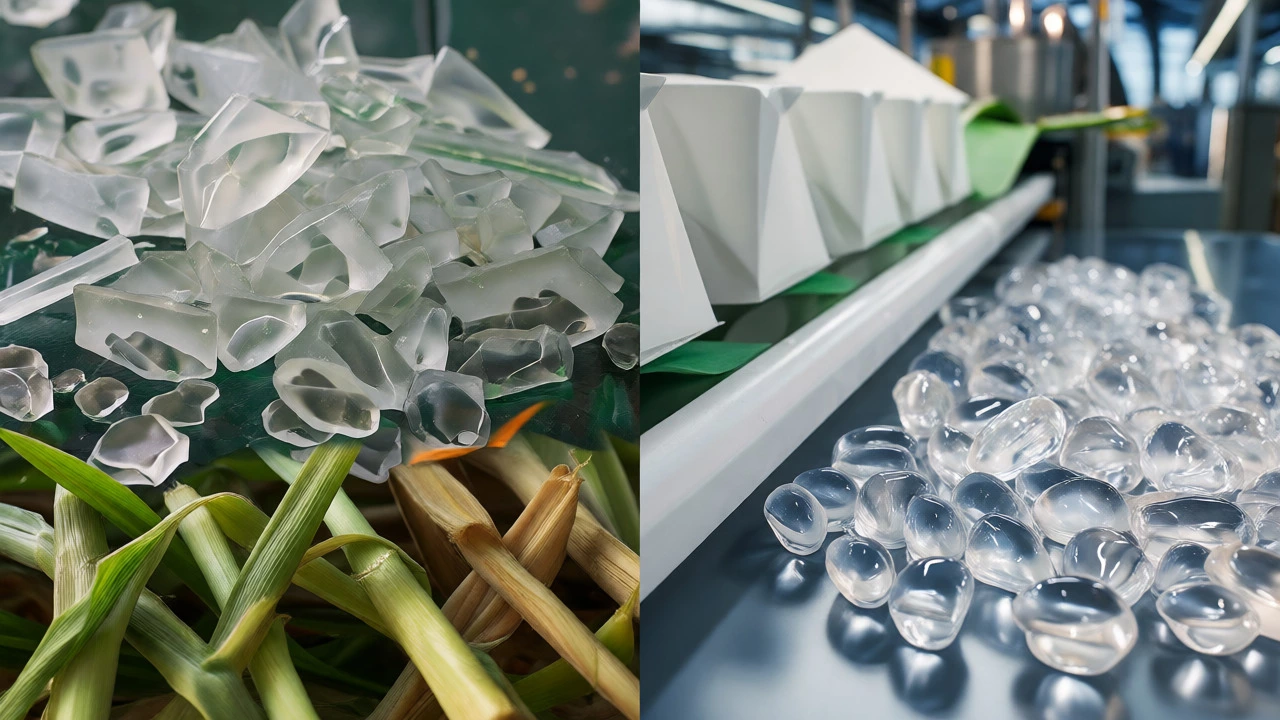
Not all plastic comes from oil. If you are making biodegradable cutlery or compostable coffee pods, you are likely sourcing Polylactic Acid (PLA). This bio-plastic is derived from fermented plant starch, usually corn or sugarcane. Suppliers here are fewer and more specialized, such as NatureWorks (a joint venture involving Cargill). Prices are higher, and supply chains are less mature, but the market demand is growing fast.
On the other end of the spectrum are engineering plastics like PEEK or Polycarbonate. These are used in aerospace, medical implants, and high-end electronics. You won't find these at a general distributor. You buy them through specialty chemical suppliers who handle low volumes at very high prices. A kilogram of medical-grade PEEK can cost hundreds of pounds, compared to pennies for standard polypropylene.
How to Choose Your Supplier
Selecting a supplier isn't just about price per kilo. It's about risk management. Here is a quick checklist before signing a contract:
- Check Certification: Does the supplier provide Certificates of Analysis (CoA) for every batch? If they can't show you the melt flow rate, density, and color values, walk away.
- Audit the Supply Chain: Ask where the raw material originates. With EU regulations tightening on carbon footprints, knowing if your resin came from a renewable energy-powered plant matters.
- Test for Contamination: Especially with recycled sources. Request samples and run them through your own lab tests before committing to a full container load.
- Negotiate Lead Times: Plastic markets are volatile. A six-month lead time sounds safe until a geopolitical event disrupts shipping lanes. Look for suppliers with local buffer stocks.
Ultimately, there is no "best" place to get plastic. There is only the best place for your specific product requirements. A startup making phone cases might start with a local distributor to keep overheads low. Once they scale to 500,000 units a year, they might switch to a direct contract with a producer like LyondellBasell to shave cents off each unit. And when they launch an eco-line, they'll add a third supplier for certified recycled resin.
The key is diversification. Relying on a single source is dangerous. The smartest manufacturers maintain relationships with one primary producer, one backup distributor, and one specialist recycler. That way, when the unexpected happens-and it always does-you keep the machines running.
What is the difference between virgin and recycled resin?
Virgin resin is made directly from petrochemicals or biomass and has consistent, predictable properties. Recycled resin is processed from post-consumer waste. While cheaper and more sustainable, recycled resin often suffers from degradation in strength, discoloration, and contamination issues, requiring rigorous testing before use in critical applications.
Can small manufacturers buy directly from major producers like Dow?
Generally, no. Major producers like Dow, BASF, and ExxonMobil typically require minimum order quantities measured in thousands of tons, making direct purchase impractical for small businesses. Small manufacturers usually buy through authorized distributors who break down bulk shipments into smaller, manageable lots.
How does plastic pricing fluctuate?
Plastic prices are heavily tied to the cost of crude oil and natural gas. When energy prices spike, so do resin costs. Additionally, supply chain disruptions, such as hurricanes affecting US Gulf Coast refineries or shipping container shortages, can cause sudden price surges. Long-term contracts often include price adjustment clauses based on these indices.
Is bio-plastic really better for the environment?
It depends on disposal infrastructure. Bio-plastics like PLA require industrial composting facilities to break down properly; in a landfill, they may persist similarly to conventional plastics. However, they reduce reliance on fossil fuels during production. Manufacturers must weigh the carbon footprint of production against the end-of-life scenario available to their customers.
What certifications should I look for in a plastic supplier?
Look for ISO 9001 (quality management) and ISO 14001 (environmental management). For food-contact applications, ensure the supplier provides FDA or EFSA compliance documentation. For recycled materials, certifications like GRS (Global Recycled Standard) verify the percentage of recycled content and ethical sourcing practices.