
Small-Scale Manufacturing Profitability Calculator
Estimate your potential annual profit based on niche selection, production volume, and pricing strategy.
Most people assume that to make serious money in manufacturing, you need a sprawling factory floor, thousands of employees, and millions in capital. That’s the old playbook. In 2026, the landscape has shifted dramatically. The highest profit margins often belong to agile, small-scale operations that solve specific problems with specialized products. You don’t need to build cars or refine oil to generate significant revenue; you just need to pick the right niche.
The question isn't just "what makes money?" but "what generates cash flow quickly while keeping overhead low?" For small business owners and entrepreneurs looking to enter the sector, the answer lies in high-value, low-volume production models. These businesses rely on specialization rather than mass production, allowing them to charge premium prices and maintain healthy margins.
The Economics of High-Margin Manufacturing
Before picking a product, it helps to understand why some sectors print money while others struggle to break even. The key metric here is gross margin, which is the difference between your selling price and the cost of goods sold (COGS). In traditional heavy manufacturing, margins can be razor-thin-sometimes under 10%-because competition is fierce and economies of scale are everything. However, in specialized small-scale manufacturing, margins often exceed 40-60%.
This happens because you are selling value, not just materials. When you produce a custom item or a specialized component, customers aren't comparing your price against a commodity listed on a global exchange. They are paying for expertise, customization, and reliability. This dynamic allows small manufacturers to thrive even without the volume advantages of large corporations.
Top Profitable Niches for Small-Scale Manufacturers
Not all manufacturing paths are created equal. Based on current market trends, supply chain dynamics, and consumer demand in 2026, several niches stand out for their profitability and accessibility for smaller players.
| Niche | Avg. Gross Margin | Startup Cost | Market Demand | Key Barrier |
|---|---|---|---|---|
| Specialty Food & Beverage | 50-70% | Low | High | Regulations/Shelf Life |
| Custom Electronics/PCBs | 30-50% | Medium | Very High | Technical Expertise |
| Packaging Solutions | 25-40% | Medium-High | Steady | Equipment Cost |
| Medical Device Components | 40-60% | High | Growing | Certification |
| Sustainable Plastics/Bio-materials | 35-55% | Medium | High | R&D/Material Sourcing |
1. Specialty Food and Beverage Processing
If there is one area where small manufacturers consistently outperform giants, it is food. Consumers today crave authenticity, local sourcing, and unique flavors. Big brands struggle to replicate this personal touch. Think about artisanal hot sauces, organic baby foods, gluten-free snacks, or cold-pressed juices. The raw material costs are relatively low, especially if you source locally, but the perceived value is high.
Artisanal Food Production is a niche within small-scale manufacturing focused on high-quality, often handcrafted food items that command premium pricing due to uniqueness and brand story. A jar of hot sauce might cost $2 to produce but sells for $12-$15. That is a massive margin. The challenge here isn't making the product; it's navigating food safety regulations and managing shelf life. However, with proper planning and compliance, this sector offers rapid cash flow and strong customer loyalty.
2. Custom Electronics and PCB Assembly
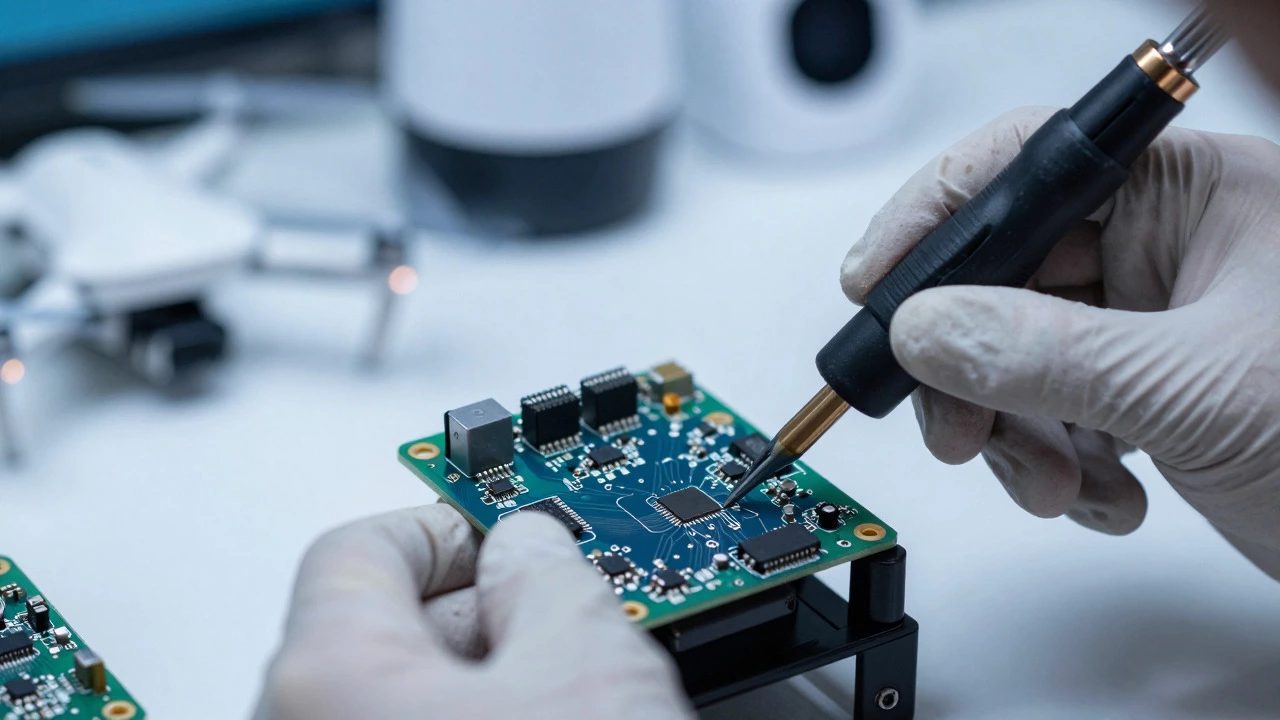
The Internet of Things (IoT) boom has created a fragmented demand for electronic components. Large factories want million-unit orders, but startups and tech companies often need batches of 100 or 1,000. This is where small-scale Printed Circuit Board (PCB) assembly thrives. By setting up a small clean-room environment, you can assemble boards for drones, smart home devices, or medical gadgets.
PCB Assembly Services provide critical manufacturing support for tech startups by producing small batches of electronic circuits with faster turnaround times than large foundries. The barrier to entry is technical knowledge, not necessarily capital. If you have the engineering skills, you can charge a premium for speed and flexibility. Companies will pay extra to get their prototype batches in two weeks instead of eight.
3. Sustainable Packaging Solutions
Plastic bans and environmental consciousness are reshaping the packaging industry. Brands are desperate for alternatives to single-use plastics. Small manufacturers who can produce biodegradable mailers, compostable food containers, or recycled paper packaging are seeing unprecedented demand. Unlike generic plastic injection molding, sustainable materials often carry a higher price point because consumers and brands are willing to pay for eco-friendly credentials.
This sector benefits from government incentives in many regions, including tax breaks for using recycled materials. The equipment investment can be moderate, such as paper pulp molding machines, but the recurring revenue model is strong because packaging is a consumable necessity.
4. Medical Device Components
You don't need to manufacture entire MRI machines to profit from healthcare. Many medical devices require small, precision-machined parts. Think about plastic casings for diagnostic tools, metal brackets for surgical instruments, or sterile packaging components. The medical field demands extreme precision and quality assurance, which means fewer competitors but higher prices.
Once you qualify with a hospital supplier or a device manufacturer, contracts tend to be long-term and stable. The regulatory hurdle (ISO 13485 certification) is steep, but it acts as a moat, protecting your profits from new entrants who lack the patience or resources to navigate compliance.
5. Niche Textiles and Apparel Accessories
Fashion is fast, but accessories are evergreen. Manufacturing high-end leather goods, custom zippers, buttons, or specialized fabrics for outdoor gear can be highly lucrative. Unlike clothing, which faces intense seasonal pressure, accessories often have longer lifecycles. Plus, luxury brands frequently outsource these small components to specialized artisans who can deliver superior craftsmanship.
By focusing on B2B relationships with fashion houses or outdoor equipment brands, you secure bulk orders without the marketing headaches of direct-to-consumer sales. The key is mastering a specific material or technique that larger factories overlook.
How to Choose Your Path
Selecting the right manufacturing niche requires honest self-assessment. Ask yourself three questions:
- What do I already know? Leverage existing expertise. If you're an engineer, electronics make sense. If you're a chef, food processing is a natural fit.
- Who is my customer? Are you selling to other businesses (B2B) or directly to consumers (B2C)? B2B often means larger volumes and steadier income, while B2C offers higher margins but requires more marketing effort.
- What is my risk tolerance? Some industries, like medical devices, require significant upfront certification costs. Others, like food, have lower barriers but shorter product lifespans.
Don't try to compete on price with China or Vietnam. Compete on speed, customization, and quality. Local manufacturing is becoming a selling point in itself. Customers want to know their products were made nearby, supporting local jobs and reducing carbon footprints.
Scaling Without Losing Control
As your small-scale operation grows, the temptation to expand rapidly can lead to disaster. The goal is to increase efficiency, not just volume. Invest in automation where it makes sense-such as labeling machines for food or CNC routers for wood-but keep the core value-add processes human-driven. This maintains the quality and uniqueness that justify your premium pricing.
Also, consider diversifying your client base. Relying on one big customer is risky. Build a portfolio of smaller clients across different industries to stabilize cash flow. For example, a packaging company might serve both a local brewery and a regional cosmetics brand.

Common Pitfalls to Avoid
Many new manufacturers fail because they underestimate operational complexity. Here are the biggest traps:
- Underpricing: Don't forget to factor in labor, waste, utilities, and administrative costs. Many beginners only calculate material costs.
- Ignoring Regulations: Whether it's FDA approval for food or CE marking for electronics, non-compliance can shut you down overnight.
- Overexpanding Too Soon: Take on more capacity than you have orders for, and you'll bleed cash. Grow organically based on demand.
- Neglecting Supply Chain Resilience: Have backup suppliers for critical raw materials. Disruptions can halt production and damage your reputation.
Final Thoughts on Profitable Manufacturing
Manufacturing is no longer just about brute force and scale. It's about intelligence, agility, and specialization. The most profitable small-scale manufacturers are those who identify underserved niches, deliver exceptional quality, and build strong relationships with their customers. Whether you choose food, electronics, or sustainable materials, success comes from solving real problems better than anyone else.
Start small, validate your market, and focus on margins over volume. With the right strategy, your small workshop can generate substantial wealth and impact.
What is the easiest manufacturing business to start?
The easiest manufacturing business to start is typically specialty food processing or simple textile products like candles or soaps. These require minimal specialized equipment, low startup capital, and have straightforward regulatory requirements compared to electronics or medical devices. You can often begin in a commercial kitchen or home-based setup depending on local laws.
How much money can a small manufacturing business make?
A successful small-scale manufacturing business can generate anywhere from $50,000 to over $500,000 annually in net profit, depending on the niche and scale. High-margin niches like custom electronics or medical components can yield higher profits with lower sales volumes, while food processing may require higher volume to achieve similar earnings due to lower per-unit prices.
Is manufacturing still profitable in 2026?
Yes, manufacturing remains highly profitable, especially for specialized, small-scale operations. Trends like nearshoring, sustainability demands, and customization preferences favor agile manufacturers who can offer quick turnaround times and personalized products. Large factories struggle to adapt to these micro-trends, creating opportunities for smaller players.
What are the biggest challenges in small-scale manufacturing?
The biggest challenges include managing cash flow, navigating complex regulations, securing reliable supply chains, and finding skilled labor. Additionally, competing with low-cost international imports requires a strong value proposition based on quality, speed, or local branding. Operational inefficiencies can also erode thin margins if not carefully managed.
Do I need a lot of capital to start a manufacturing business?
Not necessarily. While heavy industrial manufacturing requires significant capital, many small-scale niches like food processing, candle making, or simple assembly can be started with under $10,000. The key is choosing a niche where equipment costs are low relative to the value added. You can also lease equipment or use shared manufacturing spaces to reduce initial outlay.
Which manufacturing niche has the highest growth potential?
Sustainable packaging and bio-materials have immense growth potential due to global regulations banning single-use plastics and increasing consumer awareness. Similarly, custom electronics for IoT devices and medical components are growing rapidly as technology becomes more integrated into daily life and healthcare. These sectors benefit from both regulatory tailwinds and technological advancement.