Small Scale vs. Mass Production Cost Estimator
Production Strategy Comparison
Analyze the trade-off between upfront risk and unit cost
Financial Comparison
Most people think manufacturing requires a massive warehouse, a million-dollar loan, and a fleet of industrial robots. But that is a misconception. Many of the most successful brands today started in a garage or a rented studio with just a few pieces of equipment. They used small scale production is a manufacturing method where goods are produced in limited quantities, typically by small businesses or artisans, focusing on flexibility and lower initial capital investment. It is the bridge between making something by hand as a hobby and running a full-blown industrial plant.
Key Takeaways
- Small scale production prioritizes agility and quality over raw volume.
- It allows entrepreneurs to test products without risking millions in overhead.
- Common tools include 3D printers, CNC machines, and specialized hand tools.
- Scalability is the ultimate goal, moving from a "garage" setup to an industrial one.
Why Choose Small Scale Over Mass Production?
If you are starting a business, you probably don't have the luxury of ordering 50,000 units of a product that might not even sell. Mass production relies on economies of scale-the idea that the cost per unit drops as you make more. However, that requires huge upfront costs for molds and assembly lines. Small scale production flips this logic. You pay more per unit, but you risk far less money upfront.
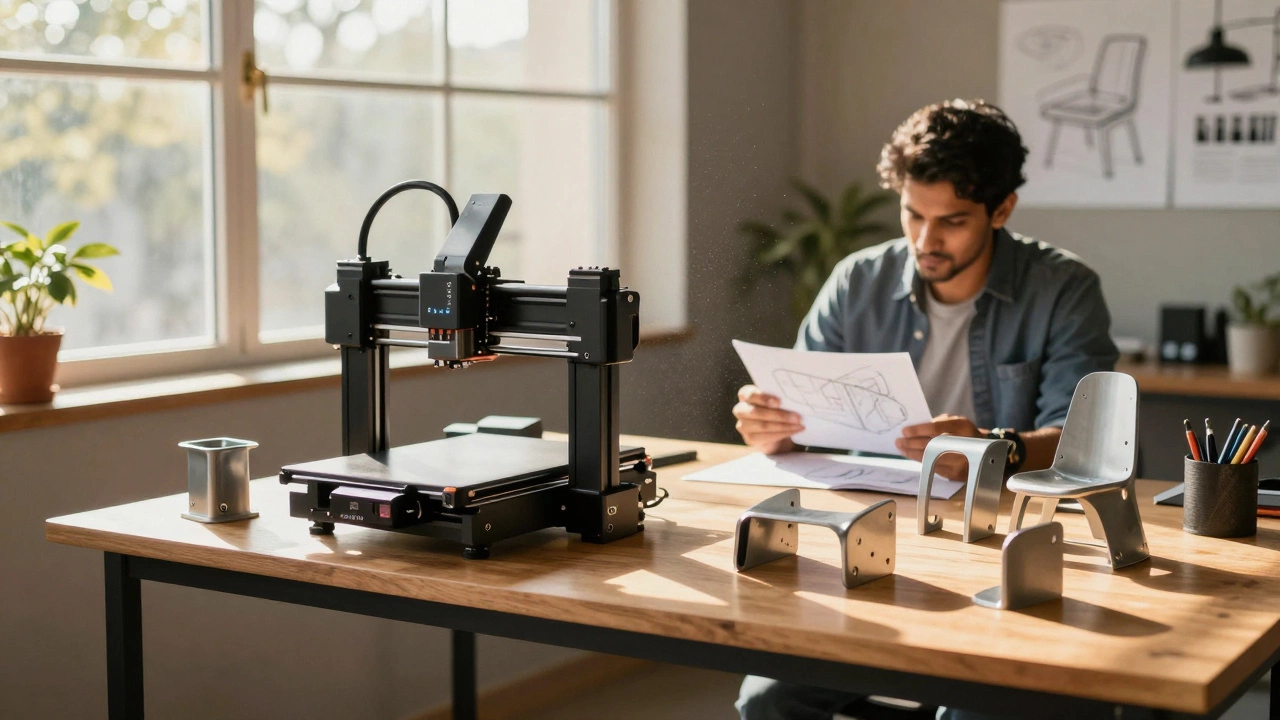
Imagine you are creating a new type of ergonomic office chair. If you go the mass-production route, you might spend $100,000 on a steel injection mold before you sell a single chair. If the market hates the design, you've lost a fortune. In a small scale setup, you might use CNC Machining a subtractive manufacturing process that uses computerized controls to remove material from a workpiece to create a few prototypes. You can tweak the design in hours, not months, and only produce what you have orders for.
The Core Components of a Small Scale Setup
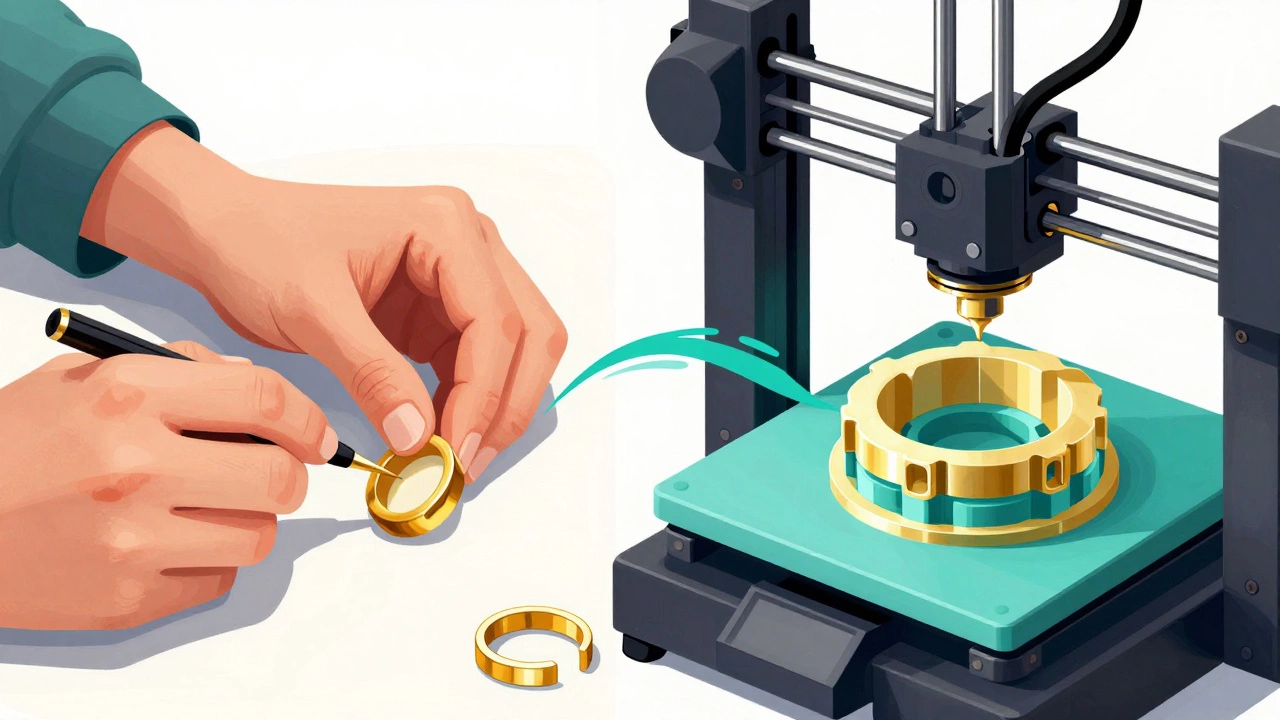
Setting up a small production line isn't just about buying a machine; it's about creating a workflow that doesn't choke as you grow. Most small operations rely on a mix of manual labor and "desktop" industrial technology. For example, many jewelry designers now combine traditional casting with Additive Manufacturing the process of joining materials to make objects from 3D model data, usually layer upon layer, commonly known as 3D printing. This allows them to create complex wax patterns that would be impossible to carve by hand.
Another critical part of the setup is the workspace. Unlike a giant factory, a small scale producer needs a multi-purpose area. You need a clean zone for assembly, a dirty zone for machining or sanding, and a dedicated space for quality control. If you mix these up, you'll spend half your day cleaning sawdust off your finished products.
| Attribute | Small Scale Production | Large Scale Production |
|---|---|---|
| Initial Investment | Low to Moderate | Extremely High |
| Production Speed | Slower (per unit) | Rapid (thousands per hour) |
| Flexibility | High (easy to change design) | Low (requires re-tooling) |
| Labor Type | Skilled artisans/Technicians | Specialized assembly line workers |
| Waste Level | Lower (made to order) | Higher (overproduction risks) |
Common Methods Used in Low-Volume Manufacturing
Depending on what you're making, your a-typical "factory" will look different. If you're in the electronics space, you're likely looking at PCB Assembly the process of soldering electronic components onto a printed circuit board. For a small scale run, you wouldn't use a massive SMT line; you'd use a small desktop pick-and-place machine or even hand-solder the components for the first 100 units.
In the world of apparel or textiles, small scale production often looks like a "cut and sew" shop. Instead of huge rolls of fabric being processed by automated cutters, a designer might use a digital plotter to mark fabric and then cut it manually. This allows them to implement "just-in-time" manufacturing, where they only produce a garment once a customer clicks "buy" on their website. This completely eliminates the need for expensive warehouse storage for unsold inventory.
The Challenges of Scaling Up
The biggest trap in small scale production is the "growth plateau." This happens when you have more orders than your small team can handle, but not enough money to buy the massive machinery needed for the next level. For instance, if you are hand-pouring organic candles and suddenly get an order for 10,000 units from a major retailer, your current process will break. You can't just work more hours; you need a different system.
To avoid this, smart producers use a tiered scaling strategy. Instead of jumping from a kitchen table to a factory, they move to a "mid-scale" setup. This might involve outsourcing a specific part of the process. If the bottle-neck is the bottling process, they might keep the mixing in-house but hire a third-party bottling plant for the final stage. This keeps the Fixed Costs business expenses that do not change with the level of production low while increasing output.
Quality Control in a Small Environment
One of the biggest advantages of small scale production is the ability to maintain a level of quality that is impossible in a giant factory. When one person or a small team oversees a product from raw material to packaging, they notice the tiny flaws that a machine might miss. However, this can also be a weakness. Without standardized Standard Operating Procedures step-by-step instructions written to help employees carry out complex routine operations (SOPs), the quality can vary from one batch to another.
To fix this, small producers should implement a basic checklist for every unit. Even if it's just a three-point check-"Is the seam straight? Is the logo centered? Is the packaging sealed?"-it ensures that the 100th unit is exactly the same as the first. This consistency is what allows a small brand to compete with a global corporation on quality.
Financial Realities: The Cost of Being Small
You have to be honest about the math: your materials will cost more. A large company buying 10 tons of aluminum gets a massive discount. You, buying 10 kilograms, pay the retail price. This means your profit margins are tighter unless you position your product as a "premium' or "boutique' item. You cannot win a price war with a giant corporation; you win by offering something they can't-customization and a story.
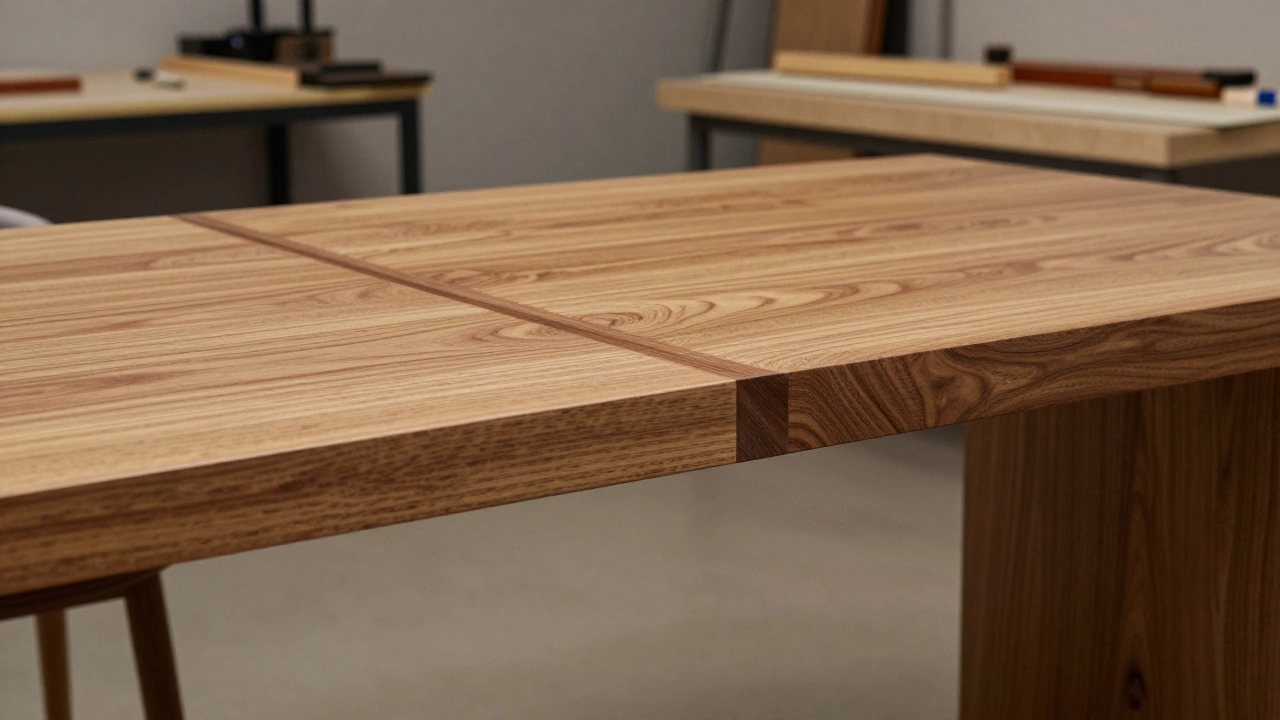
For example, a small scale furniture maker using sustainably sourced local oak can charge $2,000 for a table that costs $500 to make. A mass-market retailer selling a particle-board table for $150 cannot compete on the story of sustainability or the longevity of the material. In small scale production, the value is in the Value Proposition a statement that summarizes why a customer should buy a product or service, not the volume of sales.
Is small scale production only for startups?
Not at all. Many established companies use small scale production for high-end "limited edition" product lines, prototyping new ideas, or creating customized versions of their products for specific VIP clients. It allows them to innovate without disrupting their main mass-production lines.
What is the ideal size for a small scale production facility?
There is no single size, as it depends on the product. A jewelry maker can operate out of a 100-square-foot studio, while a small-scale furniture maker might need 1,000 to 2,000 square feet to accommodate wood drying and assembly. The key is that the space should be logically divided into zones to prevent contamination and optimize movement.
How do I know when it is time to move to large scale production?
The signal is usually when your demand consistently exceeds your maximum possible output for several months, and you are turning away customers. If you are spending more time managing the chaos of production than improving the product, it's time to invest in automation or a larger facility.
What are the biggest risks of small scale production?
The primary risks are supply chain vulnerability and dependence on a few skilled workers. If your only CNC operator quits or your single material supplier goes out of business, your entire production stops. Diversifying your suppliers and documenting your processes are the best ways to mitigate this.
Can I use small scale production for electronics?
Yes, absolutely. Using tools like 3D printed enclosures and small-batch PCB fabrication services, you can produce high-quality electronics in quantities of 10 to 1,000 units. This is the standard approach for most hardware startups during their initial launch phase.
Next Steps for Your Production Journey
If you are just starting, don't buy the most expensive machine first. Start with the smallest tool that can achieve a professional result. Focus on your "Minimum Viable Product" (MVP) and get it into the hands of real users. Once you have a validated design and a growing list of customers, you can gradually invest in the tools that remove your biggest bottlenecks.
For those already producing, look at your data. Where is the most time wasted? Is it in the packing? The sanding? The assembly? Investing in a small automation tool-like an automatic label applicator-can often free up ten hours of labor a week, allowing you to focus on the creative side of your business.