Manufacturing Startup Feasibility Calculator
It is June 2026. The global economy has settled into a new rhythm defined by resilience, automation, and sustainability. If you are looking to launch a manufacturing startup, the old playbook of mass-producing cheap goods no longer works. Margins are thin, supply chains are volatile, and customers demand transparency. However, this shift creates massive opportunities for agile entrepreneurs who can solve specific problems with modern technology.
The question isn't just "what industry is growing?" but "where can a small player compete with giants?" The answer lies in niches where customization, speed, and eco-friendliness matter more than sheer volume. Let's look at the sectors that are not just surviving but thriving right now, offering real entry points for new businesses.
Sustainable Packaging and Bioplastics
Regulations in the EU and North America have tightened significantly since 2024. Single-use plastics are banned or heavily taxed in most major markets. This regulatory pressure is the single biggest driver for startups in the packaging sector. Large corporations are scrambling to find alternatives that are both cost-effective and truly compostable.
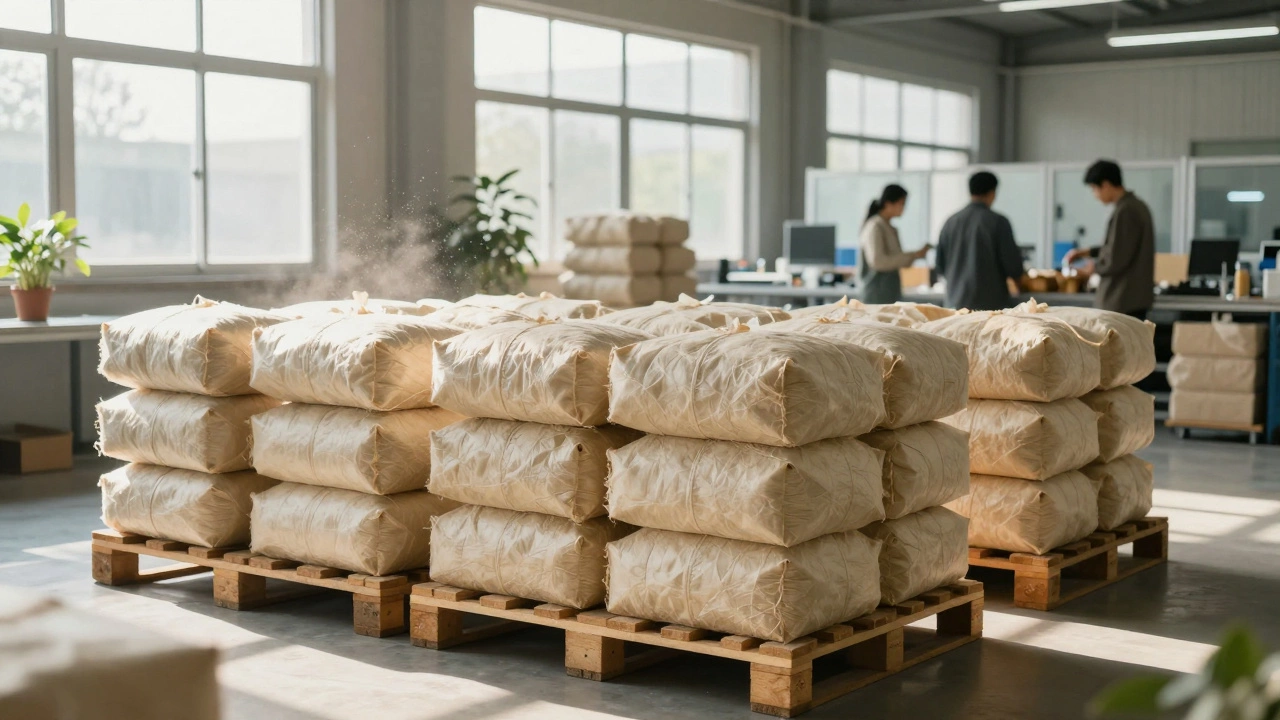
This is where a startup can win. You don't need to build a massive chemical plant. Instead, focus on niche applications. For example, producing molded fiber packaging for electronics or food containers made from agricultural waste like sugarcane bagasse or cornstarch. These materials break down in home compost bins within weeks, unlike traditional bioplastics that require industrial facilities.
Bio-based polymers are plastics derived from renewable biomass sources such as vegetable fats and oils, corn starch, or microbiota. They offer a lower carbon footprint compared to petroleum-based plastics. In 2026, the market for these materials is projected to grow by over 15% annually, driven by consumer preference and corporate ESG (Environmental, Social, and Governance) goals.
To succeed here, your value proposition must be clear: "We provide plastic-free packaging that doesn't cost double." Partner with local farms for raw material sourcing to keep costs low and reduce logistics emissions. This vertical integration is key for early-stage margins.
Additive Manufacturing Services (3D Printing)
3D printing has moved beyond prototyping. In 2026, it is a viable production method for low-volume, high-complexity parts. Traditional injection molding requires expensive molds and long lead times. If a company needs 50 custom brackets or replacement parts for legacy machinery, waiting three weeks for a mold is unacceptable. Additive manufacturing solves this.
Startups are thriving by setting up localized "micro-factories." These facilities use industrial-grade 3D printers to produce end-use parts on demand. Think medical devices, aerospace components, or custom automotive accessories. The advantage is speed and inventory reduction. Clients pay a premium for same-week delivery and zero minimum order quantities.
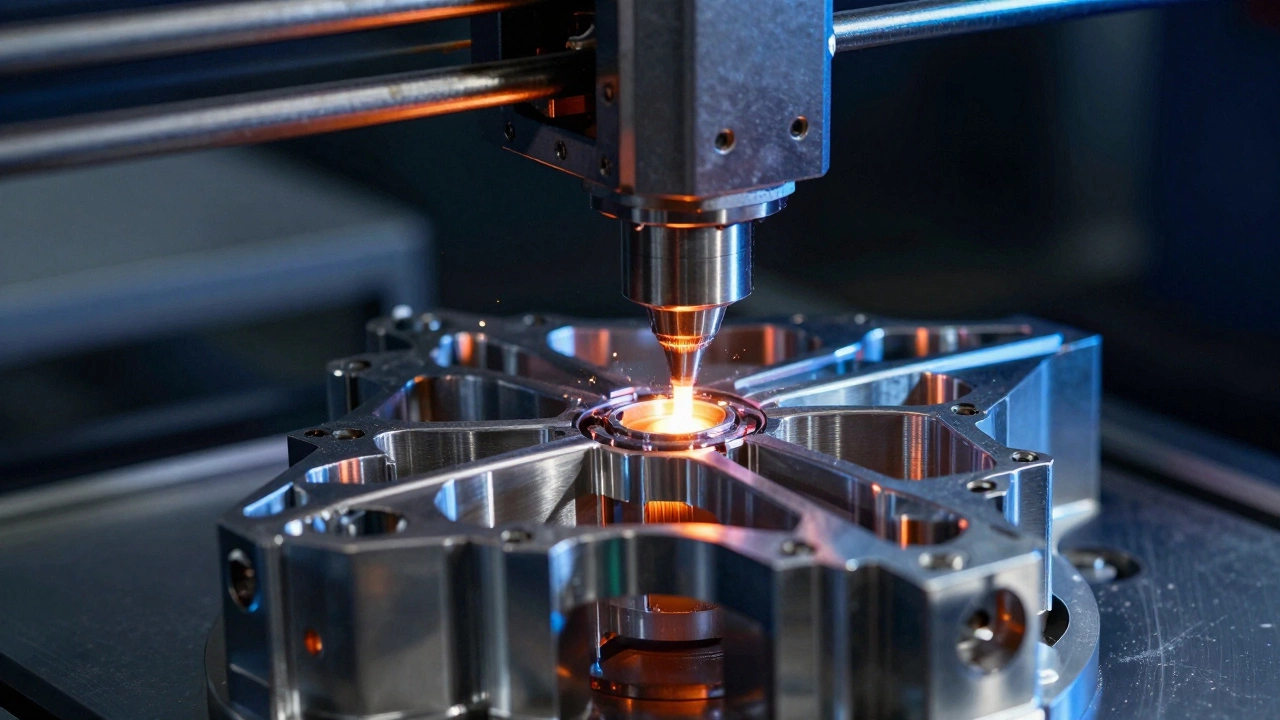
Industrial 3D Printing is the process of creating complex geometries layer-by-layer using materials like metal powders, nylon, or resin for functional applications. Unlike hobbyist printers, industrial systems offer precision tolerances within microns and can handle high-stress environments.
Your role as a startup owner is to become a service bureau. You don't sell printers; you sell solutions. Market yourself to engineering firms and product designers who struggle with rapid iteration. Offer design-for-manufacturing (DFM) consulting as part of your package to add value and justify higher prices.
Smart Home Components and IoT Hardware
The Internet of Things (IoT) ecosystem is maturing. People no longer want gadgets that work in silos. They want integrated systems. However, many large tech companies focus on software, leaving a gap in affordable, interoperable hardware. This is a sweet spot for manufacturing startups.
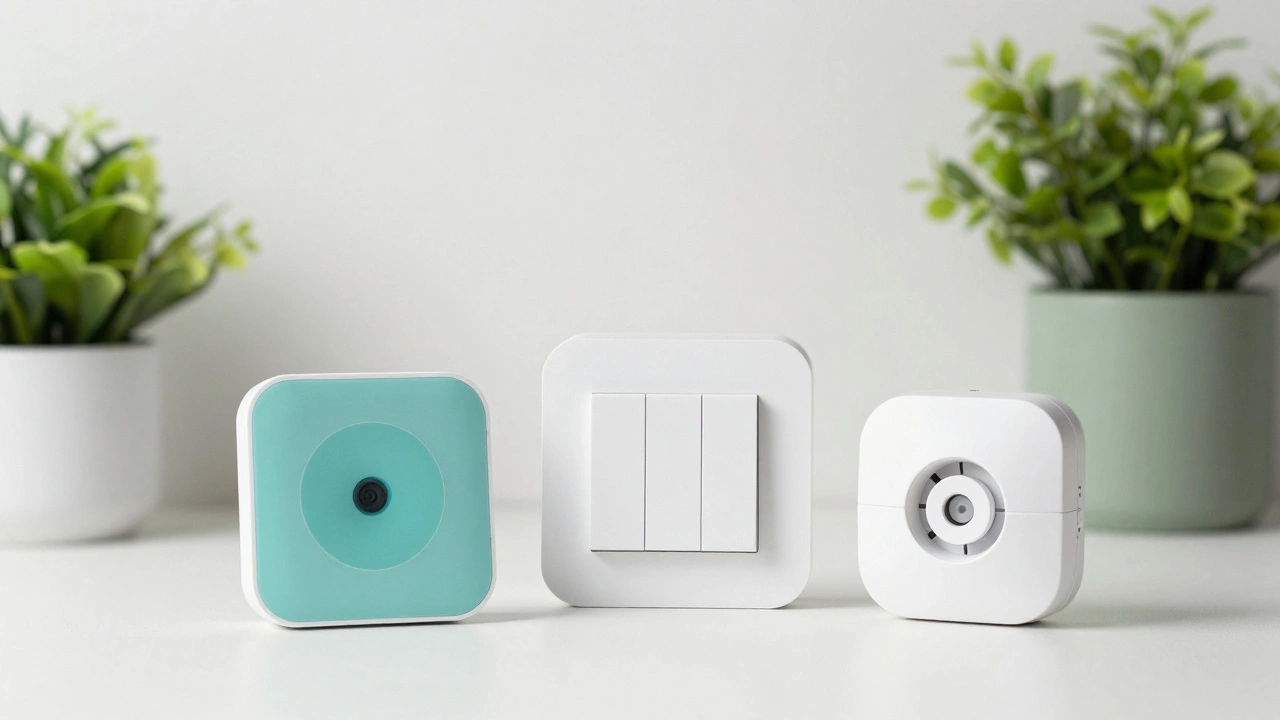
Consider producing modular sensors, smart switches, or energy monitoring devices that work across multiple platforms (Apple HomeKit, Google Home, Amazon Alexa). The trend in 2026 is towards energy efficiency and home security. Devices that help users monitor and reduce their electricity bills are selling well.
Key to success here is simplicity and reliability. Consumers are tired of Wi-Fi dropouts and complex setups. Use Bluetooth Low Energy (BLE) or Zigbee protocols for stable connections. Focus on durable builds and easy installation. A startup that produces a "plug-and-play" smart thermostat cover or a leak detector with a 5-year battery life can capture significant market share through direct-to-consumer sales.
Renewable Energy Maintenance Parts
The solar and wind energy sectors installed millions of units between 2020 and 2025. Now, those installations are entering their maintenance phase. Panels degrade, turbine blades crack, and inverters fail. There is a booming demand for replacement parts and specialized tools.
Instead of competing in the highly saturated market of new solar panels, consider manufacturing mounting structures, cleaning robots, or drone inspection kits. These are B2B products with recurring revenue potential. Solar farm operators need reliable suppliers for maintenance contracts.
Solar PV Mounting Systems are structural frameworks used to secure photovoltaic modules to roofs, ground mounts, or carports. They must withstand extreme weather conditions and last for decades. Lightweight, corrosion-resistant alloys are in high demand.
You can also explore recycling services. Collecting old batteries from electric vehicles or solar storage systems and processing them for raw material recovery is a growing niche. Governments offer subsidies for circular economy initiatives, which can offset initial capital costs.
Personalized Health and Wellness Products
Healthcare is becoming personalized. Consumers expect supplements, skincare, and fitness equipment tailored to their specific biology and lifestyle. Mass-produced vitamins are losing appeal against DNA-based supplement packs or AI-recommended skincare routines.
For a manufacturing startup, this means investing in flexible production lines. Small-batch manufacturing allows you to customize formulas without huge overheads. For instance, a startup could produce protein bars with varying macro-nutrient profiles based on customer data. Or create ergonomic office chairs adjusted for individual body measurements using 3D scanning technology.
Data privacy is critical here. Ensure your supply chain and digital platform comply with GDPR and other health data regulations. Transparency about ingredients and sourcing builds trust. Customers will pay a premium for products that genuinely improve their well-being and are backed by scientific research.
| Industry Sector | Barrier to Entry | Primary Growth Driver | Ideal Startup Model |
|---|---|---|---|
| Sustainable Packaging | Medium | Regulatory Bans on Plastic | B2B Supply Chain Partner |
| Additive Manufacturing | High (Equipment Cost) | Need for Rapid Prototyping | Service Bureau / Micro-Factory |
| Smart Home Hardware | Low-Medium | Consumer Demand for Automation | D2C E-commerce Brand |
| Renewable Energy Parts | Medium-High | Aging Infrastructure Maintenance | B2B Component Supplier |
| Personalized Health | Medium | Trend Towards Customization | Hybrid D2C + Subscription |
Key Challenges and How to Overcome Them
Every opportunity comes with hurdles. In 2026, the biggest challenges for manufacturing startups include skilled labor shortages, rising energy costs, and complex compliance requirements.
Labor Shortages: Automation is your friend. Invest in collaborative robots (cobots) that work alongside humans. These machines handle repetitive tasks while humans focus on quality control and problem-solving. Training programs in partnership with local vocational schools can also help build a talent pipeline.
Energy Costs: Implement energy-efficient processes from day one. Use LED lighting, variable frequency drives on motors, and smart building management systems. Consider installing rooftop solar panels to offset operational costs. Many governments offer tax credits for green energy adoption.
Compliance: Stay updated on environmental and safety regulations. Hire a compliance officer or consult with legal experts early. Document everything. Transparent reporting not only avoids fines but also attracts investors and customers who value ethical practices.
Next Steps for Aspiring Founders
If you are ready to start, begin with validation. Don't build anything yet. Talk to potential customers. Ask them about their pain points. What keeps them up at night? Is it cost, speed, quality, or sustainability?
Create a minimum viable product (MVP). It doesn't have to be perfect. It needs to solve the core problem. Test it with a small group of users. Gather feedback. Iterate quickly. This lean approach minimizes risk and ensures you are building something people actually want.
Secure funding strategically. Bootstrapping gives you control, but venture capital can accelerate growth if you have a scalable model. Look for grants focused on innovation, sustainability, or job creation. Many government schemes support small-scale manufacturing initiatives.
Finally, build a strong team. You can't do it alone. Find co-founders or employees who complement your skills. If you are technical, partner with someone who understands sales and marketing. Culture matters. Create an environment where creativity and accountability thrive.
What is the best manufacturing business to start in 2026 with low investment?
Additive manufacturing services or personalized health products often require lower initial capital compared to heavy industries. You can start a 3D printing service bureau with a few industrial printers and a small workspace. Alternatively, producing small-batch cosmetics or supplements allows you to test markets without massive inventory costs.
How important is sustainability for manufacturing startups today?
It is critical. In 2026, consumers and B2B clients actively prefer sustainable options. Regulations are stricter, and ignoring environmental impact can lead to fines or loss of contracts. Incorporating eco-friendly materials and processes is no longer optional; it is a competitive advantage.
Can a small manufacturing startup compete with large corporations?
Yes, by focusing on agility and customization. Large corporations excel at mass production but struggle with niche, low-volume orders. Startups can offer faster turnaround times, personalized solutions, and closer customer relationships. Specializing in underserved niches is the key to survival and growth.
What technologies should I invest in for a modern manufacturing startup?
Prioritize automation (cobots), data analytics (IoT sensors for predictive maintenance), and digital design tools (CAD/CAM). Cloud-based ERP systems help manage operations efficiently. Investing in these technologies improves productivity, reduces errors, and provides valuable insights for decision-making.
Are there government grants available for manufacturing startups in 2026?
Yes, many governments offer grants for startups focusing on green technology, advanced manufacturing, and job creation. Check local economic development agencies and federal programs. Additionally, tax incentives for R&D and energy efficiency can significantly reduce your financial burden.