Recession-Proof Manufacturing Suitability Calculator
Your Resources & Conditions
Food Packaging
Daily consumption + Eco-regulations
Medium BarrierMedical Supplies
Aging population + Healthcare
High BarrierElectronics Parts
Device longevity + Repair laws
Low-Med BarrierGreen Energy
Subsidies + Climate goals
Med-High BarrierConstruction Mat.
Infrastructure decay + Reno
Low BarrierTechnical Textiles
Safety gear + Performance
Medium BarrierSuitability Analysis
Ever wonder what happens to factories when the economy tanks? While tech startups might freeze hiring and luxury brands slash prices, some machines keep humming. They produce things people cannot live without or simply refuse to go without. If you are looking to start a manufacturing business, chasing trends is risky. Chasing necessity is smart.
In 2026, the landscape of manufacturing has shifted. It is no longer just about mass-producing cheap plastic toys. It is about resilience, sustainability, and solving immediate human problems. The businesses that will always be in demand are those tied to biological needs, infrastructure maintenance, and the digital backbone of modern life. You do not need billions to enter these spaces; you need focus, efficiency, and a clear understanding of supply chains.
The Non-Negotiables: Food Processing and Packaging
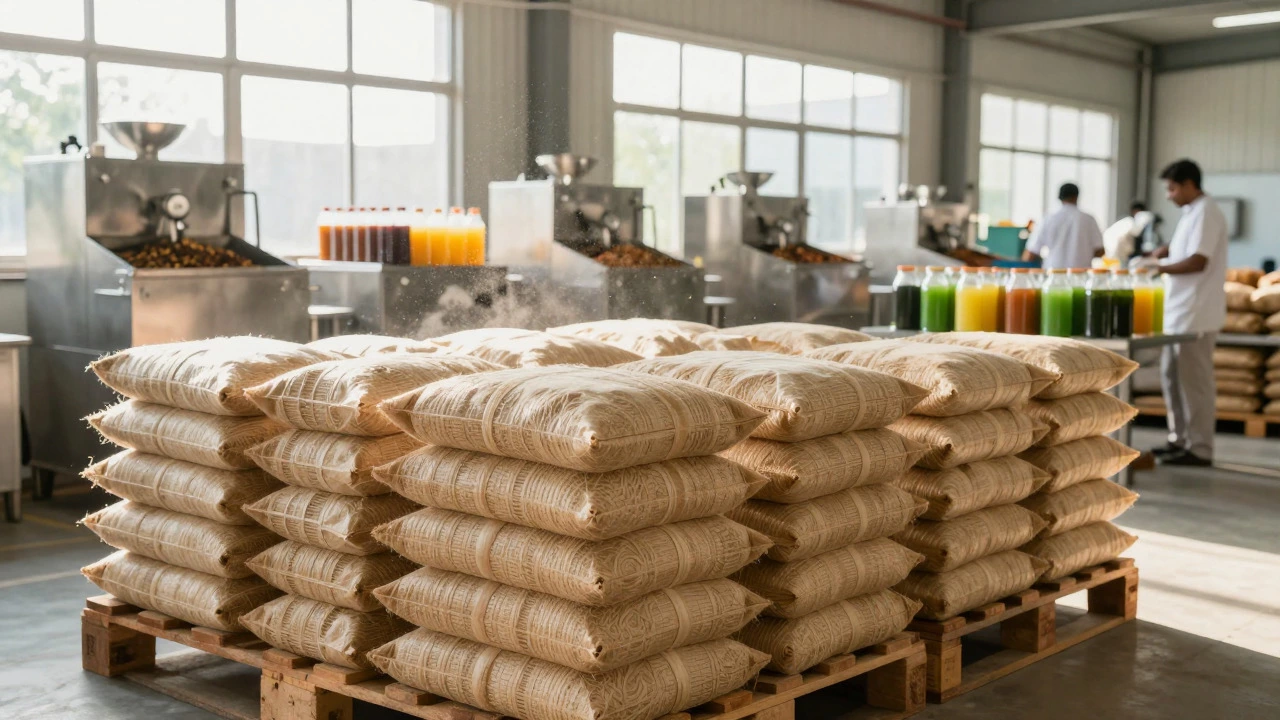
People eat every single day. No matter the stock market performance, hunger remains constant. However, raw agriculture is vulnerable to weather. The real stability lies in food processing and packaging. This sector transforms perishable goods into shelf-stable products, reducing waste and extending availability.
Consider small-scale spice grinding, organic juice bottling, or ready-to-eat meal packaging. These businesses solve two problems at once: they add value to raw materials and provide convenience to busy consumers. In 2026, there is also a massive surge in demand for eco-friendly packaging. Traditional plastics are facing stricter regulations globally. Manufacturing biodegradable containers from bagasse (sugarcane fiber) or cornstarch is not just an ethical choice; it is a commercial imperative. Restaurants and e-commerce companies are actively seeking suppliers who can offer compostable alternatives. This creates a steady B2B pipeline that is less susceptible to economic downturns because compliance and consumer preference drive the demand, not just discretionary spending.
Healthcare Essentials: Medical Devices and Sanitation
Healthcare is one of the few sectors that grows during recessions. As populations age, the need for medical support increases. You do not need to manufacture complex MRI machines to tap into this market. Look at the periphery. Disposable medical supplies like gloves, masks, and syringes are consumed daily by hospitals and clinics. The demand here is volume-driven and recurring.
Beyond disposables, there is a growing niche in home-care devices. With more people managing chronic conditions at home, manufacturing simple, durable items like blood pressure monitor casings, wheelchair components, or orthopedic braces offers long-term stability. Regulatory hurdles exist, yes, but they act as a moat. Once you get certified, competition is lower than in open markets. The key is reliability. In healthcare, a defect is not just a return; it is a liability. Quality control is your biggest asset here.
The Digital Backbone: Electronics Repair and Components
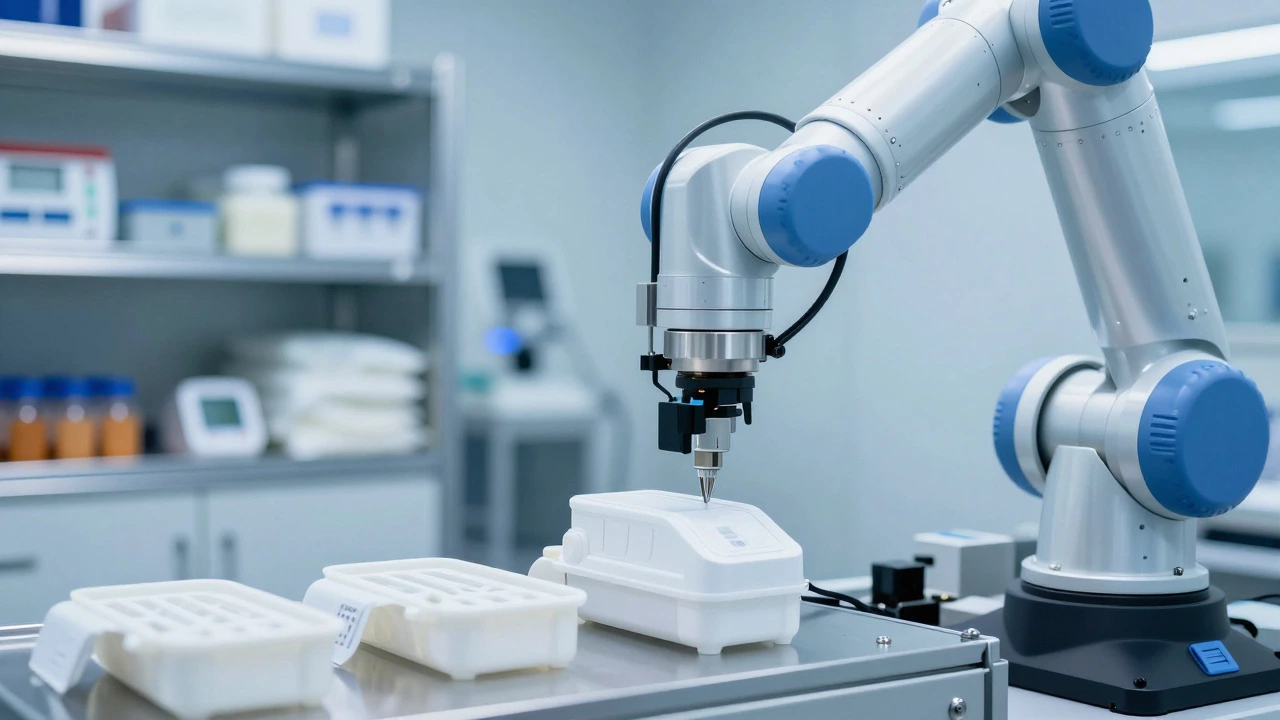
We live in a world powered by silicon. Every smartphone, laptop, electric vehicle, and solar panel relies on electronic components. While designing new chips is capital-intensive, assembling and repairing them is accessible. The "right to repair" movement has gained significant legislative traction in many regions by 2026. Consumers are tired of throwing away devices because of a broken battery or screen.
Manufacturing replacement parts-screens, batteries, charging ports-is a lucrative and steady business. Additionally, consider the rise of the Internet of Things (IoT). Smart homes require sensors, hubs, and controllers. Small manufacturers can specialize in producing specific IoT enclosures or basic sensor modules for larger tech companies. This is a classic OEM (Original Equipment Manufacturer) model. You handle the physical production while the brand handles the software and marketing. It provides consistent orders if you maintain tight tolerances and fast turnaround times.
Green Energy Infrastructure: Solar and EV Components
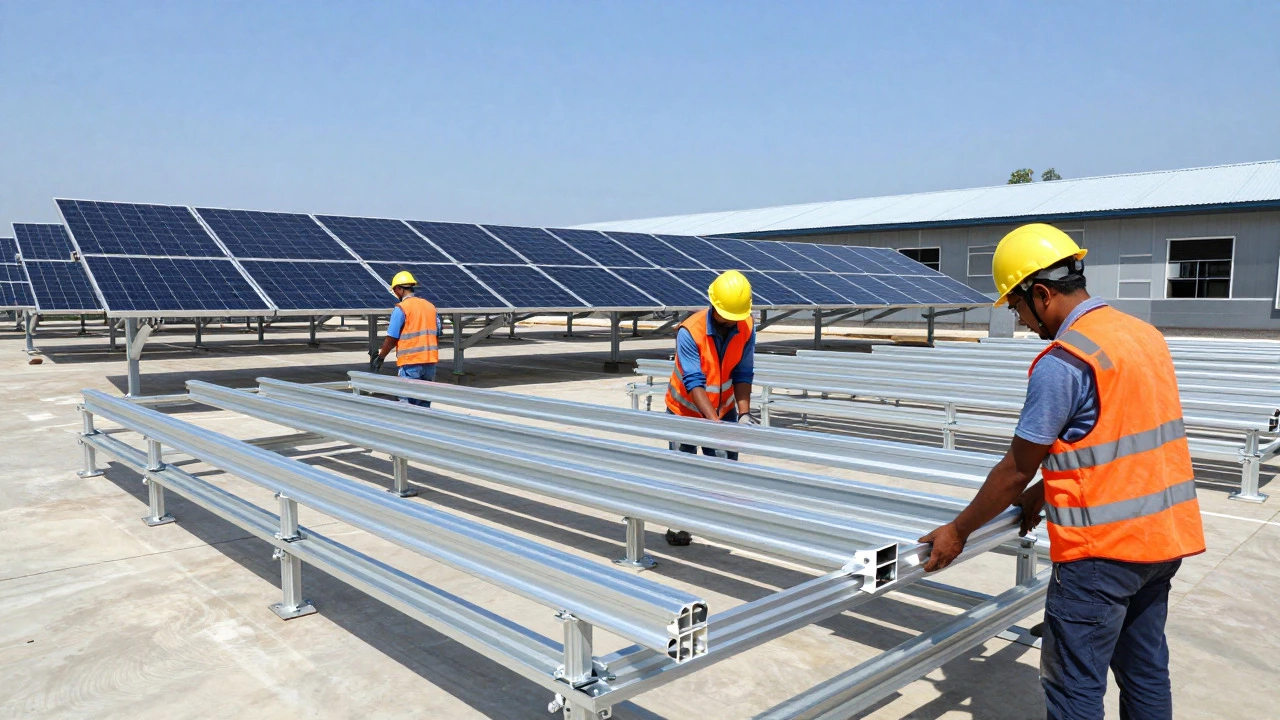
The transition to renewable energy is not a trend; it is a global mandate. Governments are subsidizing solar installations and electric vehicles (EVs). This macro-shift guarantees demand for the hardware that makes it possible. You do not need to build the cars or the panels themselves. Think about the supporting infrastructure.
Manufacturing mounting structures for solar panels, wiring harnesses for EVs, or battery casing shells are excellent opportunities. These are mechanical and assembly-heavy tasks that can be localized. Localizing production reduces shipping costs and carbon footprints, which appeals to environmentally conscious buyers. For example, aluminum extrusion for solar frames requires specialized machinery but has low material complexity. Once set up, the margin comes from volume and efficiency. The demand curve here is upward for the next decade due to climate policies worldwide.
Construction and Home Maintenance Materials
Houses leak, roads crack, and buildings age. Maintenance is inevitable. The construction industry may fluctuate with housing starts, but renovation and repair never stop. Manufacturing materials for these repairs is a safe bet. Think waterproofing chemicals, sealants, adhesives, and modular bathroom fittings.
Waterproofing is particularly critical. Water damage destroys property value rapidly. Producing high-quality, easy-to-apply waterproofing solutions for roofs and basements addresses a painful problem for homeowners. Similarly, prefabricated bathroom modules are gaining popularity. Instead of tiling and plumbing a bathroom from scratch, contractors install pre-built units. This saves time and labor costs. Manufacturing these standardized units requires precision molding but offers high repeat business from construction firms.
| Sector | Demand Driver | Barrier to Entry | Growth Potential |
|---|---|---|---|
| Food Packaging | Daily consumption + Eco-regulations | Medium | High |
| Medical Supplies | Aging population + Healthcare access | High (Certifications) | Steady |
| Electronics Parts | Device longevity + Right to Repair laws | Low-Medium | High |
| Green Energy Hardware | Government subsidies + Climate goals | Medium-High | Very High |
| Construction Materials | Infrastructure decay + Renovation | Low | Steady |
Textiles: Workwear and Technical Fabrics
Fashion is volatile, but functional textiles are not. Workers need safety gear. Hospitals need scrubs. Outdoor enthusiasts need performance wear. Manufacturing technical fabrics-those that are water-resistant, fire-retardant, or antimicrobial-provides a stable revenue stream. Unlike fast fashion, these products have longer lifecycles and higher price points.
Focus on B2B contracts here. Supplying uniforms to logistics companies, construction firms, or healthcare providers ensures predictable cash flow. These clients order in bulk and reorder regularly. The key is durability and compliance with safety standards. If your fabric meets ISO or ANSI standards, you become a preferred vendor. This sector benefits from the gig economy boom too, as delivery drivers and field technicians need durable, branded workwear.
How to Choose Your Niche
Not all evergreen businesses are right for you. Consider your local resources. Do you have access to cheap electricity? Good for metalworking. Are you near agricultural zones? Good for food processing. Assess your capital. Medical device manufacturing requires strict quality assurance systems, which cost money upfront. Electronics assembly might need fewer certifications but demands precision tooling.
Talk to potential customers before you buy a machine. Ask contractors what their biggest headache is in sourcing materials. Ask hospital administrators where they face supply delays. Solve a specific pain point. The best manufacturing businesses are not the ones with the flashiest products; they are the ones that disappear into the background because they work flawlessly, every time.
What is the easiest manufacturing business to start?
Packaging and labeling services are often the easiest entry point. You need relatively simple machinery like heat sealers and label printers. The demand is universal since every product sold needs packaging. Starting small with local food producers or cosmetic brands allows you to scale gradually without huge initial investment.
Is manufacturing still profitable in 2026?
Yes, especially in niche sectors. Automation has lowered labor costs, and localization trends have reduced shipping expenses. Profitability comes from specialization. General commodity manufacturing faces thin margins, but specialized products like medical components or green energy parts command higher prices due to technical requirements and regulatory barriers.
Which manufacturing sector has the highest growth potential?
The green energy infrastructure sector shows the highest growth potential. With global commitments to net-zero emissions, demand for solar mounting structures, EV charging station components, and battery storage housings is projected to double in the next five years. Government incentives further accelerate this adoption.
Do I need a large factory to start a manufacturing business?
No. Many successful manufacturing businesses operate out of small warehouses or even garages initially. Small-scale manufacturing focuses on high-value, low-volume products. Examples include custom electronics enclosures, specialty chemical formulations, or artisanal food processing. Efficiency matters more than square footage.
How do I ensure my manufacturing business survives a recession?
Focus on essential goods and services. Products related to health, food, shelter, and basic hygiene remain in demand regardless of economic conditions. Diversify your client base to avoid dependency on a single customer. Maintain lean inventory practices to preserve cash flow during uncertain times.