Small Scale Manufacturing Profit Calculator
Estimate your potential profits based on raw material costs, labor time, and pricing strategy for niche manufacturing businesses.
Starting a business usually means burning through cash before you see a single rupee of profit. But in the world of small scale manufacturing, which is the production of goods on a limited scale using minimal machinery and labor, that rule doesn't always apply. You don't need a massive factory floor or millions in venture capital to build something valuable. In fact, some of the most resilient businesses are built on simple processes, cheap raw materials, and high demand.
The real secret isn't finding a 'magic' product. It's finding the gap between what costs very little to make and what people are willing to pay a premium for because it saves them time, looks good, or solves an immediate problem. If you are looking to start a manufacturing unit with a budget under ₹50,000 (approx. $600 USD) but aiming for margins above 30%, you need to look at niche markets where big corporations ignore the details.
1. Handmade Paper and Stationery Products
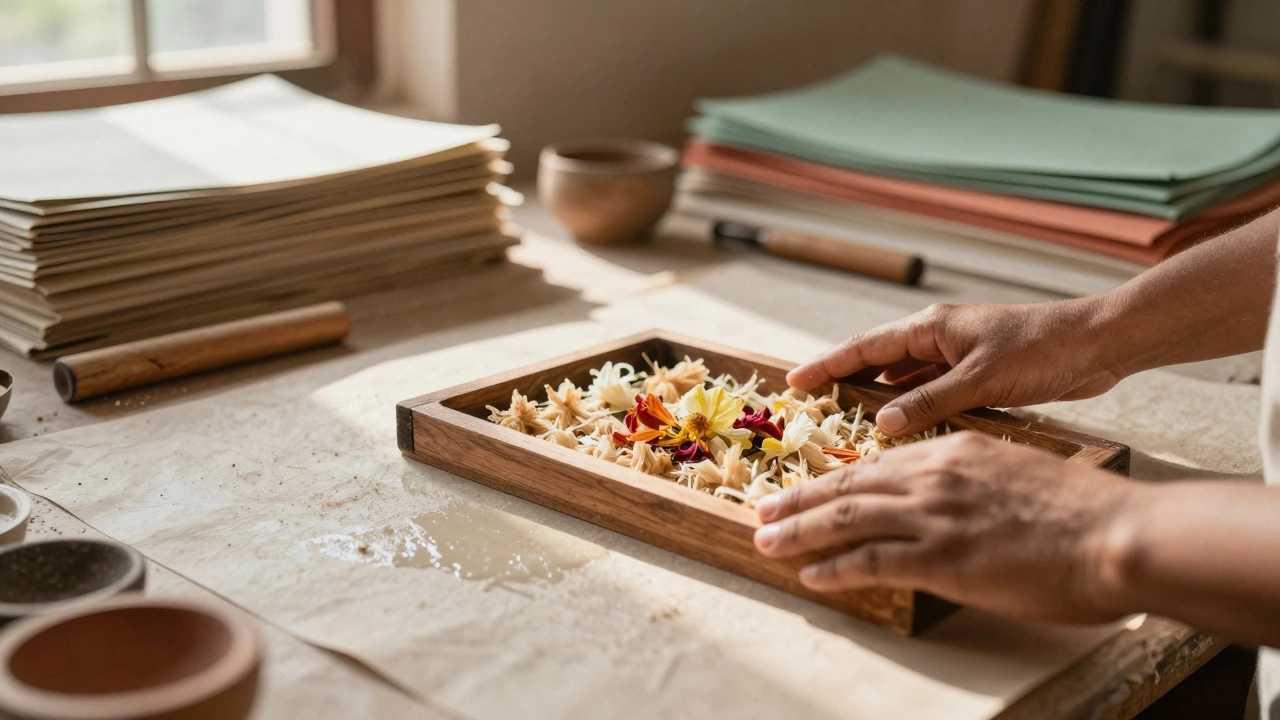
Paper seems like a commodity, right? Big mills produce tons of it daily. But they produce plain, white, boring paper. The market for artisanal, textured, and eco-friendly paper is exploding. People want notebooks that feel good to write in, wedding invitations that stand out, and packaging that feels sustainable.
Handmade paper manufacturing involves pulping recycled waste paper or natural fibers like bamboo, cotton, or banana stems and pressing them into sheets. The raw material cost is virtually zero if you source waste paper from offices or use agricultural residue. The equipment needed is basic: a mold deckle (a wooden frame with mesh), a pulper (which can be a modified blender), and drying racks.
Why is this profitable? A sheet of handmade paper might cost you ₹2 to make in materials and labor. You sell a notebook made from those sheets for ₹300-₹500. That’s a markup of over 1000%. Plus, you can embed flowers, seeds, or metallic threads into the paper to increase perceived value without significantly increasing costs. This fits perfectly into the craft industry, which values uniqueness over mass production.
2. Organic Incense Sticks (Agarbatti) and Dhoop Cones
India is one of the largest producers and consumers of incense in the world. While large factories dominate the supermarket shelves, there is a growing segment of buyers who want chemical-free, natural aromatherapy products. They want sandalwood, not synthetic vanilla.
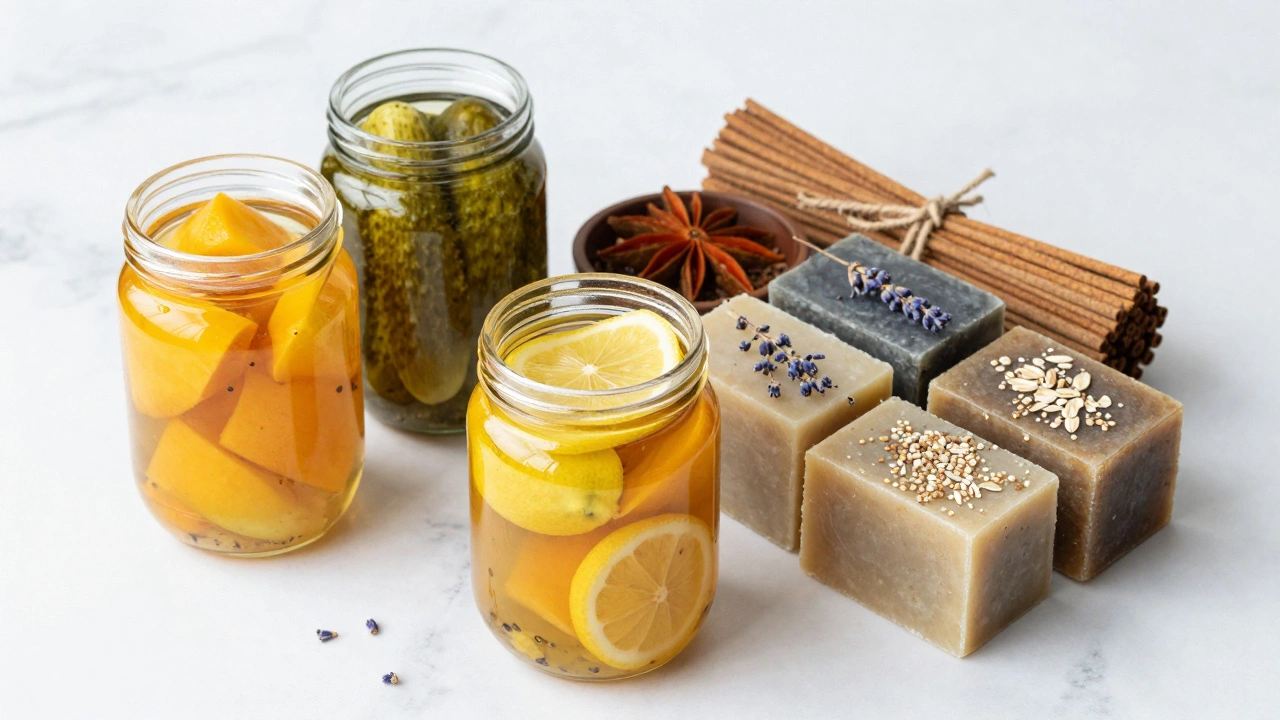
Manufacturing organic incense sticks requires blending natural essential oils, herbal powders, and binders like dendrobium glue onto bamboo sticks. You can start this on your kitchen table. The machinery required is a small mixer and a manual or semi-automatic rolling machine, which costs less than ₹10,000. The key here is sourcing pure essential oils and charcoal powder. Avoid synthetic fragrances if you want to charge a premium price.
The profit margin here is driven by branding. A box of generic incense sells for ₹20. A branded 'meditation-grade' sandalwood stick sells for ₹150. The difference in production cost is negligible, but the perceived value skyrockets when you package it well and target yoga studios, spas, and wellness centers directly.
3. Customized Greeting Cards and Gift Wrapping
In a digital world, physical gestures carry more weight. Birthdays, anniversaries, and corporate holidays still require cards. But nobody wants to buy a card that says 'Happy Birthday' in Comic Sans. People want personalization.
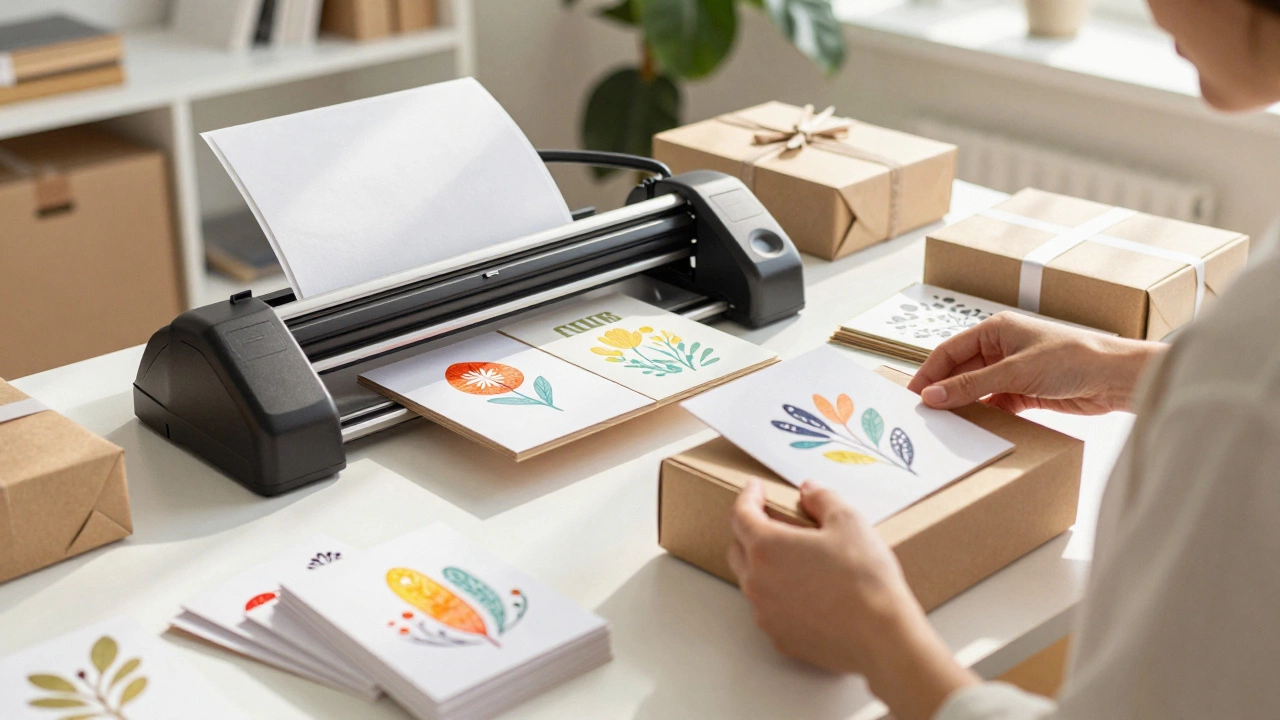
This business model relies on print-on-demand technology combined with manual finishing techniques like embossing, foil stamping, and die-cutting. You don't need an offset printing press. A good quality laser printer or inkjet printer, a cutting plotter (like a Cricut or Silhouette, costing around ₹15,000-₹20,000), and some craft supplies are enough to start.
The profitability comes from customization. A standard card costs ₹5 to make. A custom-designed, hand-finished card with a personalized message can sell for ₹150-₹300. Corporate clients often order hundreds of these for client appreciation events. If you secure just two corporate clients a year, your annual revenue is secured. This leverages the gifting economy, which is recession-resistant because people prioritize relationships even when budgets are tight.
4. Natural Soaps and Bath Bombs
Personal care is a massive industry, but consumers are increasingly reading labels. They are scared of parabens, sulfates, and microplastics. This fear creates an opportunity for small manufacturers who can prove their ingredients are clean.
Making cold-process soap involves mixing lye with oils like coconut, olive, and shea butter, then adding essential oils and colorants. The process is scientific but simple. You need stainless steel pots, molds (silicone molds are cheap), and safety gear. The initial investment is under ₹15,000. Bath bombs are even easier-they are essentially baking soda, citric acid, and Epsom salts mixed together and pressed into molds.
The margin structure is excellent. Raw materials for a bar of soap might cost ₹20. With nice packaging and a brand story about 'chemical-free living,' you sell it for ₹200-₹400. Bath bombs have even higher margins due to their visual appeal on social media. Instagram and TikTok are free marketing channels for these visually striking products. You aren't just selling soap; you're selling a self-care ritual.
5. Pickles, Chutneys, and Spice Blends
Food manufacturing has higher regulatory hurdles, but the demand is infinite. Everyone eats. The trend now is towards 'homemade taste' in packaged form. People trust small brands more than faceless giants when it comes to food purity.
You can start with artisanal pickle making by using traditional recipes with fresh spices, mustard oil, and no preservatives. Start with a unique variety-maybe mango pickle with black pepper, or a spicy lemon chutney. The equipment is minimal: sterilizing jars, sealing machines (handheld ones are cheap), and a label printer. You will need FSSAI registration in India, which is straightforward for small units.
Profitability lies in shelf-life and repeat purchases. Food is a consumable. If your pickle tastes authentic, customers will buy it every month. A jar of premium pickle costing ₹80 to produce can retail for ₹250. Margins hover around 60-70%. The key is distribution. Sell locally first, then expand to online platforms. Don't try to compete on price with big brands; compete on taste and trust.
| Business Idea | Estimated Startup Cost | Key Equipment | Profit Margin | Skill Level Required |
|---|---|---|---|---|
| Handmade Paper | ₹10,000 - ₹20,000 | Mold Deckle, Pulper | High (50-70%) | Creative/Patient |
| Organic Incense | ₹15,000 - ₹25,000 | Mixer, Rolling Machine | Very High (60-80%) | Low/Medium |
| Custom Cards | ₹20,000 - ₹30,000 | Printer, Cutting Plotter | High (40-60%) | Design Skills |
| Natural Soaps | ₹10,000 - ₹15,000 | Stainless Steel Pots, Molds | High (50-70%) | Chemistry Basics |
| Pickles/Spices | ₹20,000 - ₹40,000 | Jars, Sealer, Labeler | Medium-High (40-60%) | Culinary Knowledge |
How to Keep Costs Low and Profits High
Choosing the right product is only half the battle. How you manage the business determines if you survive. Here are three non-negotiable rules for keeping your small scale manufacturing business profitable:
- Start with Pre-Sales: Before you buy bulk raw materials, create samples. Take photos. Post them on social media. See if people actually want to buy. If you get orders, then manufacture. This eliminates inventory risk, which is the silent killer of small businesses.
- Control Your Packaging: Packaging is your store window. Cheap packaging makes expensive products look worthless. Invest in simple, elegant design rather than expensive materials. Use recycled boxes or kraft paper. It signals sustainability and costs less.
- Direct-to-Consumer (DTC):** Don't rely solely on wholesalers who will take a 30% cut. Sell directly via your own website or Instagram. Yes, it takes more work, but you keep the full margin. Use local delivery partners for nearby sales to save on shipping costs.
Common Pitfalls to Avoid
Many beginners fail not because their product is bad, but because they make operational mistakes. One common error is scaling too fast. Just because you got 50 orders doesn't mean you should rent a warehouse. Stay lean. Another mistake is ignoring legal compliance. Even small businesses need proper registrations (GST, FSSAI for food, etc.). Getting fined later will wipe out your early profits. Finally, don't undervalue your work. If your materials cost ₹50 and it takes you 2 hours to make, charging ₹100 is not a business; it's a hobby. Price for profit from day one.
What is the absolute cheapest manufacturing business to start?
Handmade paper or organic incense sticks are among the cheapest to start. Both require minimal machinery (under ₹15,000) and raw materials that can be sourced locally or recycled. The barrier to entry is low, allowing you to test the market with very little financial risk.
Do I need a factory for small scale manufacturing?
No. Most small scale manufacturing businesses can start from home, a garage, or a small rented room. As long as you comply with local zoning laws and safety regulations, you do not need industrial space initially. This keeps your overheads extremely low.
Which manufacturing business has the highest profit margin?
Cosmetics like soaps and bath bombs, along with personalized gifts like custom cards, typically have the highest profit margins (often exceeding 60%). This is because the perceived value of these items is high relative to their raw material cost, especially when branded effectively.
Is food manufacturing safe to start as a beginner?
It can be, but it requires strict hygiene and regulatory compliance. You must obtain necessary licenses like FSSAI in India. Start with dry goods like spice blends or pickles with longer shelf lives to minimize spoilage risks compared to perishable items like fresh juices or baked goods.
How do I find customers for my handmade products?
Leverage social media platforms like Instagram and Pinterest where visual products thrive. Collaborate with local influencers, participate in weekend craft fairs, and list your products on online marketplaces like Etsy or Amazon Handmade. Building an email list from day one also helps in retaining customers.