EV Transition & Cost Estimator
The Quick Take: Why the Friction?
- The EV Gap: Charging infrastructure hasn't kept pace with vehicle sales.
- Regulatory Shock: Moving to stricter emission norms increased production costs.
- Consumer Shift: Buyers are ditching small cars for oversized SUVs.
- Supply Chain Hangover: Semiconductor shortages shifted from a pandemic glitch to a structural weakness.
The Transition Crisis: ICE vs. EV
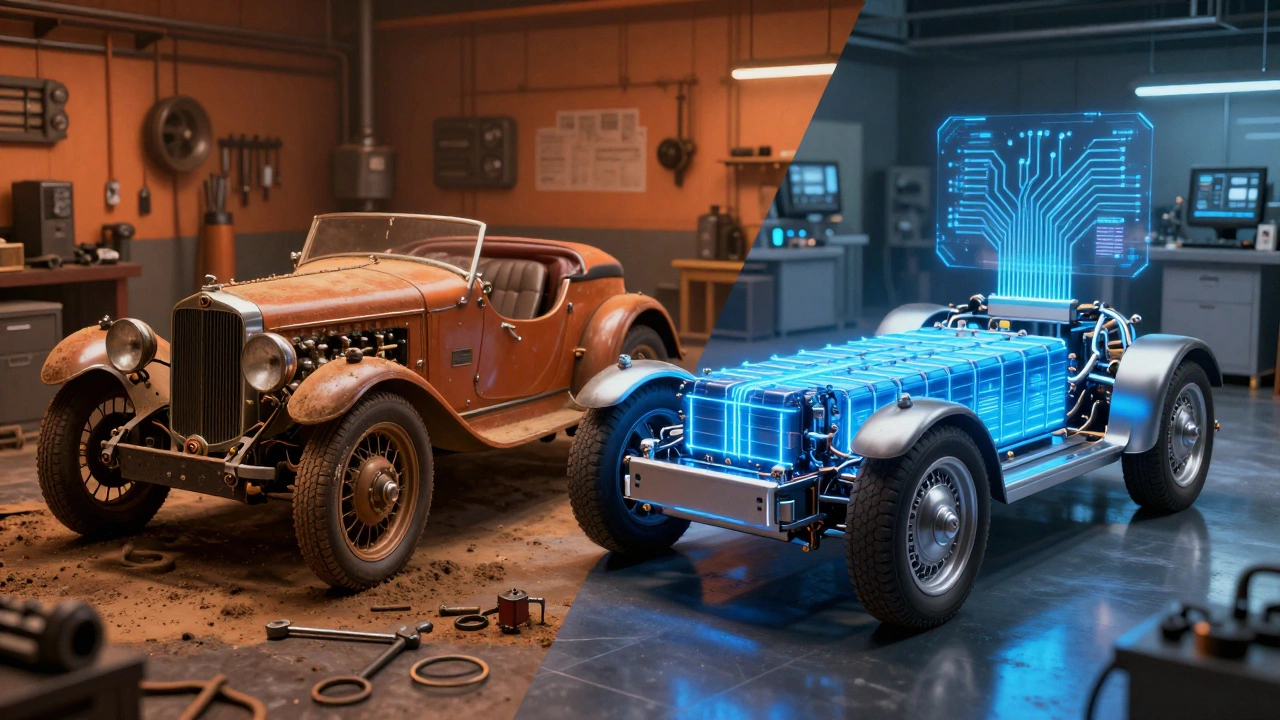
For decades, India thrived on the Internal Combustion Engine (ICE). It was simple: build a reliable engine, keep the price low, and sell millions. However, the shift to Electric Vehicles (EVs) has created a split personality in the market. On one side, you have legacy manufacturers who have billions invested in engine plants. On the other, you have lean startups and global players like Tesla or BYD who aren't burdened by old factories.
This isn't a "fall" so much as a displacement. When a company spends a decade perfecting a diesel engine and then suddenly the government introduces the FAME-II (Faster Adoption and Manufacturing of Electric Vehicles) scheme, the old assets become liabilities overnight. If you're a manufacturer who didn't pivot toward lithium-ion batteries by 2022, you're now playing a losing game of catch-up.
The Emission Norm Trap
India's leap from BS4 to BS6 (Bharat Stage 6) emission standards was one of the most aggressive environmental shifts in the world. While it was great for the air, it was a nightmare for the balance sheets. Manufacturers had to spend thousands of crores to upgrade engines just to stay legal. This pushed the cost of entry-level cars up, effectively killing the "cheap car" segment that once drove the industry.
Think about the Maruti 800 era. Those cars were accessible to almost everyone. Today, the cost of complying with emission laws and adding mandatory safety features like airbags means the "budget" car now costs significantly more than it did ten years ago. When the target audience can no longer afford the product, sales figures naturally dip, creating the illusion of a failing industry.
| Factor | Traditional ICE Model | Modern EV/Hybrid Model | Impact on Growth |
|---|---|---|---|
| Production Cost | Low (Mature) | High (Battery costs) | Price hikes for consumers |
| Infrastructure | Widespread Fuel Stations | Sparse Charging Points | Range anxiety limits sales |
| Regulatory Focus | Emission Control | Carbon Neutrality | Forces rapid R&D spend |
| Consumer Demand | Fuel Efficiency | Tech & Sustainability | Shift toward premium SUVs |
The SUV Fever and the Death of the Hatchback
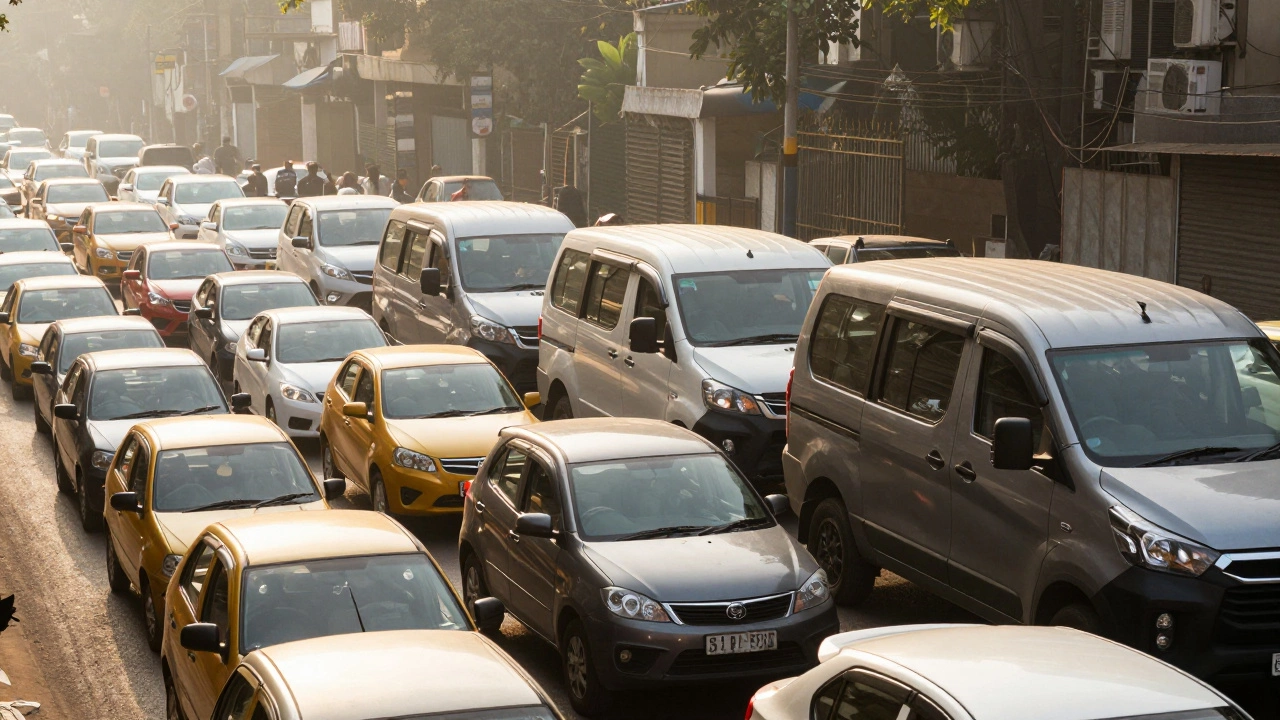
If you walk down any street in Mumbai or Delhi, you'll notice the skyline of cars has changed. The small, nimble hatchbacks that defined the 2010s are being replaced by Compact SUVs. This is a psychological shift in the Indian buyer. People no longer want just a way to get from A to B; they want status, road presence, and a sense of safety.
While this seems like a win because SUVs have higher profit margins, it's a double-edged sword. The manufacturing process for an SUV is different, requiring more steel and different assembly line configurations. Companies that were optimized for high-volume, low-margin hatchbacks are struggling to pivot their factories quickly enough to meet the demand for larger vehicles. This mismatch between what is being produced and what is being bought leads to inventory piles and falling quarterly reports.
The Semiconductor and Component Nightmare
We can't talk about the industry's struggle without mentioning the Semiconductor crisis. Modern cars are essentially computers on wheels. From the infotainment system to the Engine Control Unit (ECU), chips are everywhere. For years, Indian manufacturers relied on global supply chains, mostly from Taiwan and South Korea.
When the supply chain broke, Indian plants were the first to feel the pinch because they lacked the bargaining power of global giants. A car might be 99% finished, but it sits in a lot for three months because it's missing a single chip for the power steering. This inefficiency destroys cash flow and makes it impossible to meet delivery deadlines, leading customers to cancel orders and switch brands.
Infrastructure: The Invisible Ceiling
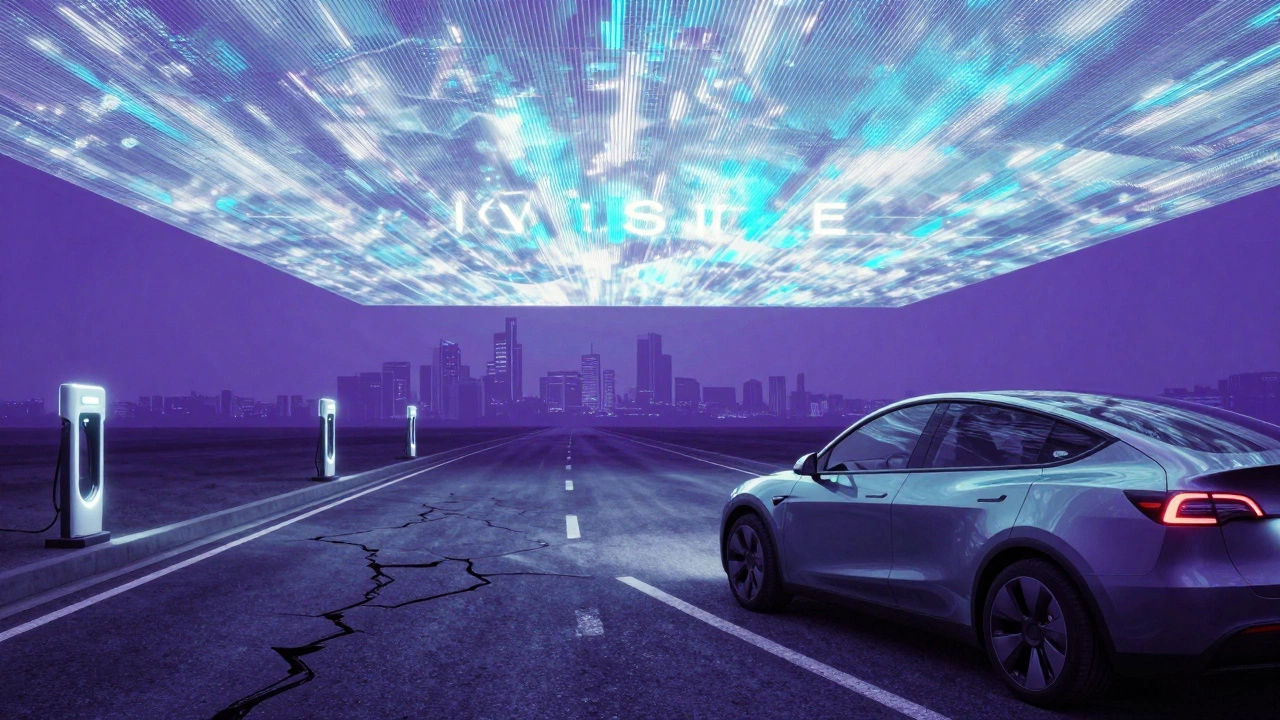
You can build the most amazing electric car in the world, but if a driver is terrified they'll run out of power halfway between Bangalore and Chennai, they won't buy it. This is the "invisible ceiling" of the Electric Vehicle Infrastructure. The government has pushed the PLI Scheme (Production Linked Incentive) to encourage local battery manufacturing, but the actual physical installation of fast chargers is lagging.
The industry isn't falling because of a lack of demand; it's falling because the ecosystem isn't ready. We are trying to run 2026 software on 2010 hardware. Until the charging grid is as ubiquitous as the local tea stall, the EV transition will remain a bumpy ride that looks like a decline on a graph.
Is There a Way Out?
To stop the bleeding, the industry needs to stop treating EVs as a separate niche and start treating them as the core. Hybrid technology is also a crucial middle ground. By offering Strong Hybrids, manufacturers can give consumers the efficiency they want without the range anxiety of a full EV.
Furthermore, there's a massive opportunity in diversifying the supply chain. Instead of importing every single sensor, moving toward deep local integration-actually making the components in India, not just assembling them-will insulate the industry from the next global crisis. The companies that survive will be those that stop clinging to the glory days of the diesel engine and embrace the software-defined vehicle.
Is the Indian car market actually shrinking?
Not exactly. Total volume might fluctuate, but the value of the market is growing. People are buying more expensive cars (SUVs) rather than cheap ones, which makes it look like units are falling while revenue actually stays strong or grows.
Why are EVs not taking over faster?
The main hurdles are the high initial cost of batteries and a lack of public charging stations. Until the cost per kilometer is significantly lower than petrol and charging is as easy as fueling, mass adoption will be slow.
Did BS6 norms really hurt the industry?
Yes, in the short term. It forced companies to invest heavily in R&D and expensive hardware, which increased the price of cars and made them less affordable for the lower-middle class.
What is the PLI scheme for automobiles?
The Production Linked Incentive (PLI) scheme provides financial incentives to companies that manufacture advanced automotive technology and components locally in India, reducing dependence on imports.
Will diesel cars disappear in India?
They are already fading. Between strict emission laws and the rise of hybrids and EVs, diesel is becoming a niche for heavy towing and long-haul commercial use rather than daily commuting.