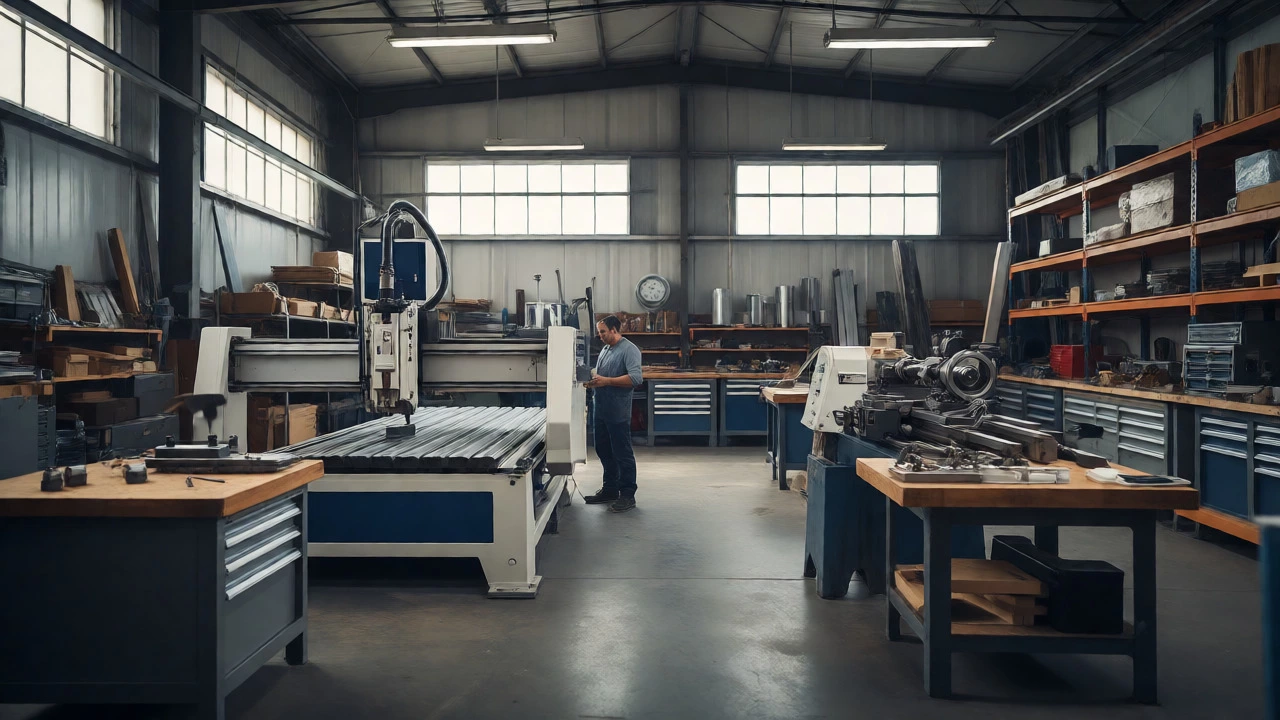
Small Manufacturing Startup Cost Estimator
Most people think starting a factory requires a million-pound loan. This tool helps you calculate the realistic baseline (£15k–£25k) needed for light manufacturing startups by accounting for equipment, legal compliance, and essential operating expenses.
Enter your estimates on the left and click "Calculate" to see your required startup capital.
Total Initial Capital Needed
- Equipment & Machinery £0
- Operating Runway ( months) £0
- Legal & Compliance £0
- Marketing & Sales £0
Most people think starting a factory requires a million-pound loan and a team of fifty engineers. That is the biggest myth holding back potential entrepreneurs. You can launch a viable small manufacturing business with £5,000 to £20,000 if you pick the right niche and keep your overheads tight. The real challenge isn't buying machines; it's managing cash flow while waiting for that first big order to clear.
Here is what you actually need to know before you sign a lease or buy a CNC router. We will skip the fluff about "passion" and focus on the mechanics of getting from idea to invoice.
Pick a Niche Where Demand Outstrips Supply
Don't just make things because you like making them. Look for gaps in the local supply chain. In Bristol and across the UK, there is a growing hunger for locally sourced goods because shipping costs are volatile and lead times from overseas are unpredictable. Think about custom furniture parts, specialized packaging for e-commerce sellers, or small-batch metal fabrication for local tradespeople.
A good rule of thumb? If you can find three local businesses currently outsourcing this work to China or Eastern Europe due to capacity issues, you have a market. Talk to procurement managers at mid-sized companies. Ask them what they hate about their current suppliers. Is it quality control? Slow turnaround? Minimum order quantities too high? Solve one of those problems, and you have a customer base before you even turn on the lights.
Nail Down Your Legal Structure and Compliance
You cannot ignore the paperwork. It is boring, but it saves you from bankruptcy. Most solo founders start as a sole trader, but once you hire staff or take on liability risks (like heavy machinery), forming a Limited Company protects your personal assets. This is crucial in manufacturing where an accident or a defective batch can lead to lawsuits.
| Structure | Liability | Tax Implications | Best For |
|---|---|---|---|
| Sole Trader | Unlimited personal liability | Income Tax + National Insurance | Testing ideas, low risk |
| Limited Company | Limited to share capital | Corporation Tax + Dividend Tax | Hiring staff, scaling up |
| Partnership | Joint and several liability | Individual tax returns | Two founders sharing skills |
You also need insurance. Public Liability Insurance is non-negotiable if clients visit your site. Employers' Liability Insurance becomes mandatory the second you hire someone. Don't forget Product Liability Insurance-especially if you are making anything that touches skin, food, or has moving parts. One bad review from a safety incident can kill a young brand overnight.
Source Equipment Without Breaking the Bank
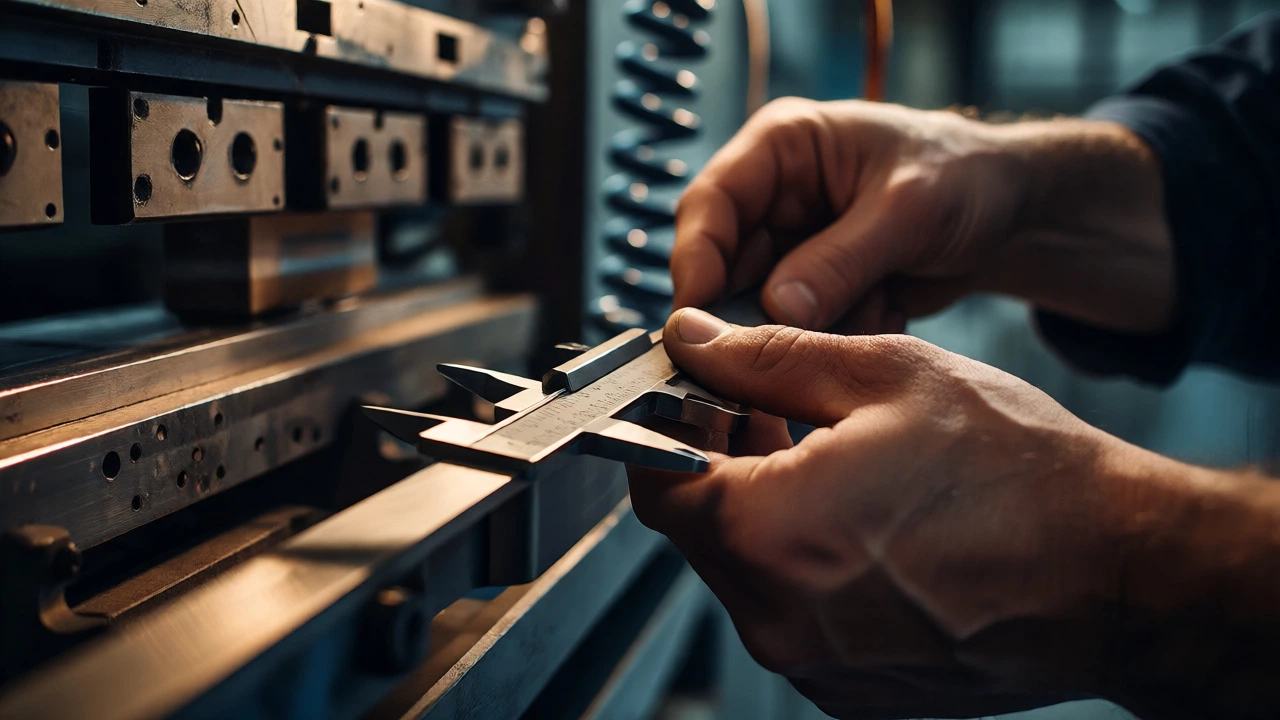
New equipment depreciates fast. Used equipment holds value better. For a small shop, aim for 70% used gear. Check platforms like eBay Industrial, local auction houses, and industry-specific Facebook groups. You might find a well-maintained laser cutter for half the price of a new one.
But here is the trap: hidden maintenance costs. A cheap machine without service history is a time bomb. Always ask for maintenance logs. If you are buying a press brake or a lathe, ensure spare parts are available in the UK. Waiting six weeks for a belt from Germany stops your production line dead.
Consider leasing vs. buying. Leasing keeps cash free for working capital (materials, wages, marketing). However, over five years, leasing usually costs more than buying outright. Run the numbers. If you expect rapid growth, lease. If you want long-term asset ownership, buy used.
Master the Art of Production Planning
Manufacturing is not magic; it is logistics. You need to know exactly how long each step takes. Time yourself doing a prototype run. Write down every minute spent on setup, operation, and cleanup. This data forms the basis of your pricing.
Many beginners underprice their products because they forget to charge for "non-productive" time. You spend hours quoting, invoicing, cleaning the workshop, and fixing mistakes. These hours must be baked into your hourly rate. Use this simple formula:
- Total Monthly Costs (Rent, utilities, salaries, software) ÷ Available Productive Hours = Hourly Rate.
- Add material cost per unit.
- Add profit margin (aim for 30-50% gross).
If your calculated price is higher than competitors, don't panic. Competitors might be cutting corners on labor or quality. Position yourself as the reliable, high-quality option. B2B buyers often pay a premium for certainty.

Build a Sales Pipeline Before You Need It
The biggest killer of small manufacturers is feast-or-famine revenue. You get a huge order, burn out trying to fulfill it, then sit idle for two months. To fix this, diversify your sales channels early.
Start with direct sales. Visit local trade shows, join chambers of commerce, and cold-call purchasing departments. But also list your products on digital platforms. Even if you are B2B, having a professional website with clear specifications and case studies builds trust. Consider selling smaller consumer-facing versions of your product on Etsy or Amazon Handmade to generate steady cash flow while you hunt for bigger contracts.
Network relentlessly. In the UK, word-of-mouth still drives many manufacturing contracts. Join local maker spaces. Attend events hosted by organizations like Make UK. Bring samples. Let people touch the product. Physical interaction sells better than a PDF brochure.
Scale Smartly: The Lean Approach
Do not hire a full-time accountant or HR manager yet. Use cloud-based accounting software like Xero or QuickBooks. Automate invoicing. Keep admin tasks minimal until you hit £100k in annual revenue. Then, bring in help.
Adopt Lean Manufacturing principles from day one. Eliminate waste. Waste isn't just scrap material; it's walking to the other side of the shop to fetch a tool, waiting for a machine to warm up, or overproducing stock that sits unsold. Organize your workspace so tools are within arm's reach. Standardize your processes so any employee can perform a task consistently.
Growth should be organic. Reinvest profits into better tools or marketing, not fancy office furniture. Your workshop floor is your showroom. Keep it clean, safe, and organized. Clients judge your capability by how tidy your shop looks.
How much capital do I really need to start?
It varies wildly by industry. A jewelry studio might need £5,000. A CNC machining shop needs £30,000+. A safe baseline for most light manufacturing startups is £15,000-£25,000 to cover equipment deposits, initial raw materials, legal fees, and three months of operating expenses. Never use all your savings; keep an emergency fund separate.
Do I need a physical workshop immediately?
Not always. Many makers start in garages or co-working maker spaces. This reduces rent risk while you validate demand. However, if your process involves noise, fumes, or heavy machinery, residential zones may prohibit operations. Check with your local council regarding zoning laws before signing a lease.
How do I price my products competitively?
Calculate your true cost per unit, including labor, materials, overheads, and machine depreciation. Then add a healthy margin. Compare this against competitor prices. If you are significantly higher, justify it with superior quality, faster delivery, or customization options. Do not compete solely on price unless you have massive volume efficiency.
What are common mistakes new manufacturers make?
Underpricing, ignoring cash flow timing, and over-investing in automation too early. Many founders buy expensive automated machines when manual processes would suffice for their current volume. Another mistake is neglecting marketing; assuming a great product sells itself. Active sales efforts are critical in the first year.
Are government grants available for UK manufacturers?
Yes. Look into Innovate UK grants for R&D-heavy projects. Local enterprise agencies often offer small grants for equipment upgrades or green energy installations. Also, check the Annual Investment Allowance (AIA), which lets you deduct the full value of certain plant and machinery purchases from your pre-tax profits.