
Manufacturing IP Strategy Analyzer
Not every manufacturing idea needs a patent. Answer these 3 questions to find the most effective protection strategy for your concept.
Recommended Strategy
Based on your inputs, this is your optimal path.
You have a brilliant concept for a new manufacturing process or product. Maybe it’s a more efficient way to mold plastic parts, a novel assembly technique for electronics, or a unique material blend for textiles. The immediate fear is always the same: "If I show this to a potential manufacturer or investor, they will steal it." This anxiety often leads founders down the expensive and time-consuming path of filing for a patent, which is a government-granted exclusive right that prevents others from making, using, or selling an invention for a set period. But what if you don’t have the budget, the time, or the desire to navigate the patent office? You are not alone. Many successful manufacturing businesses operate without a single granted patent.
Selling an idea without a patent is entirely possible, but it requires a shift in strategy. Instead of relying on legal exclusivity, you must rely on speed, relationships, and operational secrecy. In the fast-paced world of manufacturing, being first to market and having a superior supply chain often matters more than holding a piece of paper from the government. Here is how you can protect your interests and sell your vision effectively.
The Power of Trade Secrets Over Patents
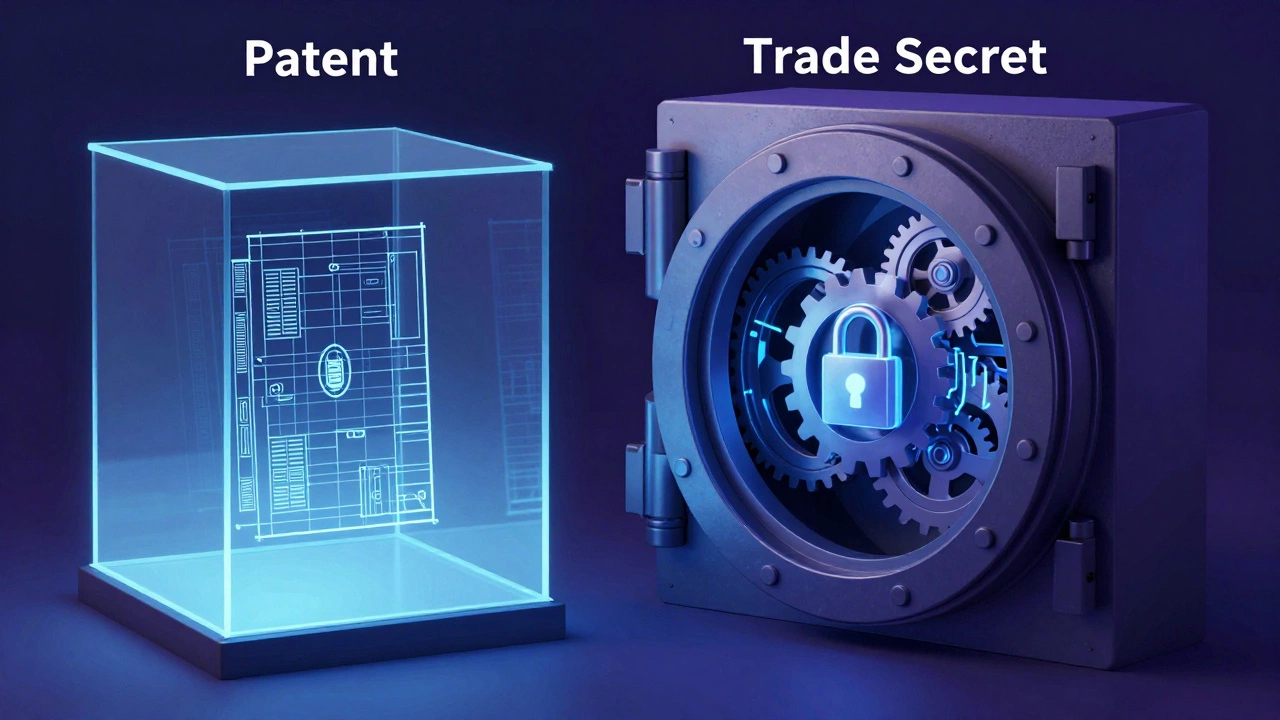
Before you approach anyone, understand that patents have a major downside: they require public disclosure. To get a patent, you must explain exactly how your invention works in enough detail for someone else to replicate it once the patent expires. For many manufacturing processes, this is a bad deal. If your competitive advantage lies in a specific chemical formula, a proprietary algorithm for machine calibration, or a unique sourcing method, keeping it secret is often better than patenting it.
This approach is known as protecting a trade secret, which is confidential business information that provides a competitive edge and is protected by keeping it secret rather than registering it. Think of Coca-Cola’s recipe or KFC’s spice blend. They have never patented these because patents expire. By keeping them as trade secrets, they remain exclusive forever. For a manufacturing startup, this means your "secret sauce" might be your internal Standard Operating Procedures (SOPs), your supplier contracts, or your quality control metrics. These are things you do not share with outsiders.
To maintain trade secret status, you must take reasonable steps to keep the information confidential. This includes restricting access within your own team, using secure servers for design files, and ensuring that any external partners sign strict confidentiality agreements. If you treat your idea like gold, others will too.
Using NDAs to Build Trust
When you are ready to talk to manufacturers, suppliers, or investors, you need a safety net. That safety net is the Non-Disclosure Agreement (NDA). An NDA is a legal contract between you and another party that binds them to keep shared information confidential. It does not prevent them from developing similar products independently, but it does give you legal recourse if they use your specific confidential data to build something.
However, NDAs are not magic shields. Large corporations often refuse to sign them because their legal teams see them as liability risks. Startups and smaller manufacturers are usually more willing. When drafting an NDA, be specific about what constitutes "confidential information." Vague terms make enforcement difficult. Also, define the duration of the agreement-typically two to five years is standard for early-stage discussions.
Remember, an NDA protects the *information* you share, not the general *idea*. If you tell a manufacturer, "I want to make a better widget," they cannot be sued for making a better widget. But if you show them your specific CAD drawings and material specifications under an NDA, and they use those exact specs to launch a competing product before you do, you have grounds for a lawsuit. The key is to share only what is necessary at each stage of the conversation.
| Strategy | Cost | Duration | Best For | Risks |
|---|---|---|---|---|
| Patent | High ($5k-$15k+) | 20 years | Novel mechanical inventions, pharmaceuticals | Public disclosure, high cost, long wait times |
| Trade Secret | Low (Operational costs) | Indefinite (if kept secret) | Formulas, algorithms, sourcing methods | Loss of secrecy, independent discovery by competitors |
| NDA | Low (Legal fees) | 2-5 years typically | Sharing specific technical details with partners | Enforcement difficulty, large firms may refuse |
| Copyright | Very Low | Life + 70 years | Software code, marketing materials, manuals | Does not protect functional ideas or processes |
Speed and Execution Are Your Best Defense
In the manufacturing industry, ideas are cheap; execution is everything. Even if a competitor steals your concept, they still have to figure out how to source materials, calibrate machines, train workers, and manage logistics. This gap between concept and production is where you build your moat. By moving quickly, you establish brand recognition, customer loyalty, and supply chain relationships that are hard to replicate.
Consider the rise of direct-to-consumer furniture brands. Many started with simple designs that could be copied easily. However, those who succeeded were the ones who optimized their packaging for shipping, negotiated better rates with foam suppliers, and built strong social media communities. A copycat might have the same physical product, but they lack the operational efficiency and brand trust. Focus on building these non-patentable assets. Your ability to produce at scale, with consistent quality and low waste, is a competitive advantage that no patent can grant.
Also, document your progress meticulously. Keep dated records of your prototypes, test results, and communications. While this does not replace a patent, it can help prove prior art or independent development if disputes arise. It shows that you were the original innovator and that your success was built on genuine effort and iteration.
Leveraging Copyright and Trademarks
While patents protect functional inventions, other forms of intellectual property can protect different aspects of your business. Copyright, which is legal protection for original works of authorship such as software code, written content, and artistic designs, automatically applies to your software, website content, and marketing materials. If your manufacturing process relies on custom software for inventory management or machine control, that code is copyrighted. Ensure you register it if possible, as it strengthens your legal standing.
Equally important is your trademark, which is a recognizable sign, design, or expression which identifies products or services of a particular source. Your brand name, logo, and slogans are trademarks. Building a strong brand creates consumer association. Even if someone copies your product, they cannot use your name or logo. Over time, customers buy from you because they trust your brand, not just because of the product features. Invest in branding early. A strong trademark is easier and cheaper to obtain than a patent, yet it can be just as valuable in driving sales.

Strategic Partnerships and Joint Ventures
Instead of trying to manufacture everything yourself, consider partnering with established players. Joint ventures allow you to share resources and risks while maintaining some control over your intellectual property. In a joint venture, you might contribute your design and know-how, while the partner contributes manufacturing capacity and distribution channels. Contracts should clearly define ownership of improvements made during the partnership.
This approach reduces the need for heavy upfront capital and allows you to focus on innovation and market feedback. It also builds credibility. Being associated with a reputable manufacturer can open doors to larger clients and investors. Just ensure that all agreements are reviewed by a lawyer specializing in intellectual property and manufacturing law. Ambiguity in partnerships can lead to costly disputes later.
Building a Community Around Your Innovation
Finally, engage directly with your customers. Build a community around your brand. Share your journey, your challenges, and your successes. When customers feel connected to your story, they become advocates. This emotional connection is a powerful barrier against competition. Copycats can replicate your product, but they cannot replicate your relationship with your audience.
Use social media, newsletters, and events to stay visible. Gather feedback from early users to iterate on your product. This continuous improvement cycle keeps you ahead of static competitors. In manufacturing, agility is key. By listening to your customers and adapting quickly, you create a dynamic business that is resilient to imitation.
Can I sue someone if they steal my idea without a patent?
Generally, no. Ideas themselves are not protected by law. However, if they stole specific confidential information covered by an NDA or trade secret laws, you may have legal recourse. You would need to prove that they had access to your confidential data and used it improperly.
Is an NDA enough to protect my manufacturing process?
An NDA helps, but it is not foolproof. It protects the specific information you share, not the general concept. It is most effective when combined with trade secret practices and rapid execution. Large companies may refuse to sign NDAs, so be prepared to negotiate.
What is the difference between a patent and a trade secret?
A patent grants exclusive rights for a limited time (usually 20 years) in exchange for public disclosure of the invention. A trade secret remains protected indefinitely as long as it is kept confidential. Trade secrets are better for formulas or processes that are hard to reverse-engineer, while patents are better for mechanical inventions that can be easily copied.
How can I protect my brand without a patent?
You can protect your brand through trademarks. Register your business name, logo, and slogans with the relevant intellectual property office. This prevents others from using confusingly similar marks. Additionally, build brand equity through marketing and customer engagement.
Should I file for a provisional patent application?
A provisional patent application is a lower-cost option that secures a filing date for one year. It does not grant a patent but gives you "patent pending" status. This can be useful if you need more time to develop the product or seek funding. However, it still requires eventual conversion to a full patent application to maintain protection.