Indian Furniture Profitability Calculator
Enter your sale price and estimated costs to see how much you actually keep after all expenses. Based on typical Indian market structures.
Cost Breakdown (%)
Detailed Cost Allocation
| Component | Amount (₹) | % of Sale |
|---|---|---|
| Raw Materials | ₹ 0 | 0% |
| Direct Labor | ₹ 0 | 0% |
| Overheads | ₹ 0 | 0% |
| Logistics & Packaging | ₹ 0 | 0% |
| Marketing & Commission | ₹ 0 | 0% |
| Total Costs | ₹ 0 | 0% |
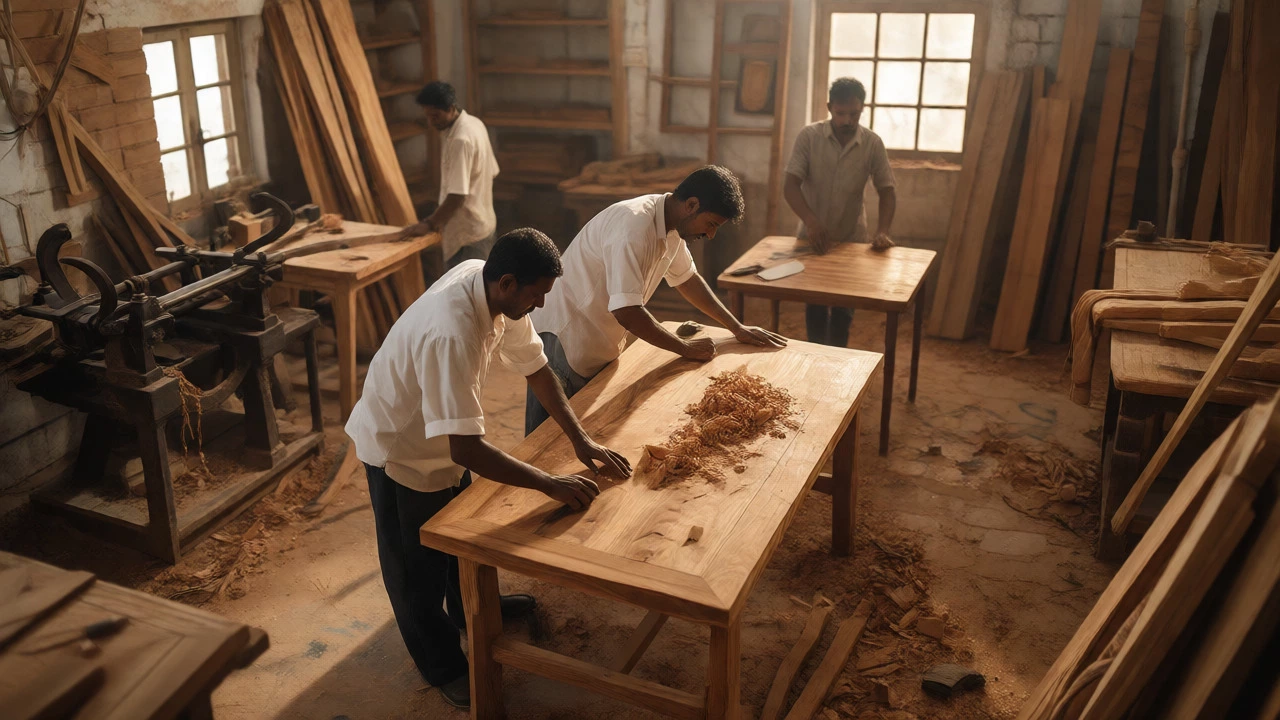
You’re staring at a quote for a solid teak dining table. It’s beautiful, sturdy, and priced at ₹45,000. But do you know how much of that money actually hits your bank account after paying for the wood, the carpenter, the polish, and the delivery guy? If you’re thinking about starting a furniture business in India, or scaling an existing one, profitability isn’t just about selling high prices. It’s about understanding the brutal math of margins, waste, and logistics.
The Indian furniture industry is no longer just about dusty workshops in Moradabad or Jodhpur. With urbanization skyrocketing and real estate booming in cities like Bangalore, Pune, and Hyderabad, demand is shifting. People want modular kitchens, ergonomic office chairs, and space-saving sofas. But here’s the catch: while revenue looks great on paper, many new manufacturers bleed cash because they underestimate overheads. So, let’s cut through the noise and look at what’s actually making people money right now.
Understanding the Market Landscape
Before you buy a single saw, you need to know who you are selling to. The Indian market is split into three distinct tiers, and each has its own profitability profile.
- The Unorganized Sector: This includes local carpenters and small workshops. They compete on price. Margins are thin (10-15%) because labor is cheap but efficiency is low. You’re trading time for money.
- The Organized Retail Sector: Think IKEA, Pepperfry, Urban Ladder, or Home Centre. They rely on volume and brand trust. Their gross margins are higher (30-40%), but their marketing and logistics costs eat up almost all of it.
- Niche & Custom Manufacturers: This is the sweet spot for startups. By focusing on specific needs-like eco-friendly bamboo furniture or compact modular units for metro apartments-you can command premium pricing with healthier net profits.
Data from the Ministry of Commerce and Industry suggests the Indian furniture market is growing at a CAGR of around 10-12%. That sounds promising, but remember: growth doesn’t equal profit if you don’t control your supply chain.
Gross Margin vs. Net Profit: The Reality Check
Most beginners confuse gross margin with net profit. Let’s break down a typical transaction for a mid-range wooden bed frame sold for ₹25,000.
| Cost Component | Estimated Amount (₹) | % of Sale Price |
|---|---|---|
| Raw Materials (Wood, Foam, Fabric) | 8,500 | 34% |
| Direct Labor (Carpentry, Upholstery) | 6,000 | 24% |
| Overheads (Rent, Electricity, Machinery Depreciation) | 4,500 | 18% |
| Logistics & Packaging | 2,500 | 10% |
| Marketing & Sales Commission | 1,500 | 6% |
| Net Profit Before Tax | 2,000 | 8% |
See that 8%? That’s tight. One bad month where a machine breaks down or a batch of wood arrives warped, and you’re in the red. To boost this, successful manufacturers focus on reducing material waste (which can be as high as 20% in inefficient shops) and optimizing logistics.
Where the Money Actually Hides: Niche Opportunities
If you try to compete with mass-market plywood furniture, you’ll struggle. The real profit lies in specialization. Here are three areas showing strong traction in 2026:
Modular and Space-Saving Solutions
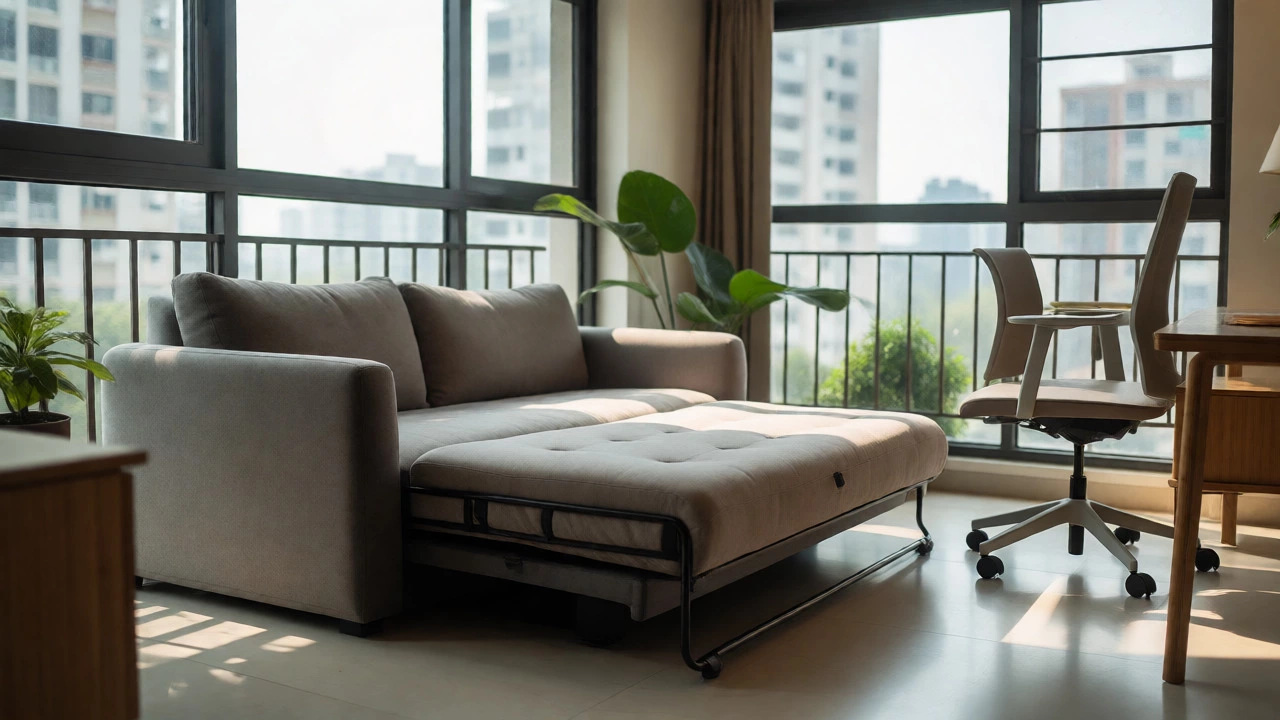
Apartment sizes in major Indian metros are shrinking. A standard 2BHK might only have 800 sq. ft. of usable space. Customers are desperate for furniture that does two jobs: a sofa that turns into a bed, or a dining table that folds against the wall. These items require more engineering but sell at a 25-30% premium over standard pieces.
Eco-Friendly and Sustainable Materials
Younger buyers, particularly millennials and Gen Z, are willing to pay extra for sustainability. Using reclaimed wood, bamboo, or non-toxic finishes allows you to market your product as "green." Bamboo, for instance, grows faster than traditional hardwoods, keeping raw material costs stable while appealing to ethical consumers.
B2B Corporate Interiors
Selling one chair to a home buyer is hard work. Selling 500 ergonomic chairs to a tech company’s new office in Gurugram is easier. B2B contracts offer volume stability. While the per-unit margin might be lower, the operational efficiency of bulk production boosts overall profitability.
Operational Costs That Kill Profits
You don’t fail because you can’t make good furniture. You fail because you can’t manage the invisible costs.
- Inventory Management: Wood is expensive. If you buy too much, your capital gets locked up. If you buy too little, you halt production. Just-in-time procurement is tough in India due to supply chain delays, so finding a reliable local supplier is critical.
- Skilled Labor Turnover: Good carpenters are rare. When they leave, quality drops, and retraining costs rise. Offering performance-based bonuses can stabilize your workforce.
- Last-Mile Delivery: In cities like Mumbai or Delhi, narrow lanes and traffic make delivery a nightmare. Damaged goods during transit mean refunds. Investing in robust packaging and partnering with specialized freight services is worth every rupee.

Government Schemes and Subsidies
Don’t ignore free money. The Indian government actively supports manufacturing through schemes like the Pradhan Mantri Mudra Yojana for small loans and the MSME Udyam Registration which offers tax benefits and priority sector lending. Additionally, state-level subsidies for power tariffs in industrial zones can reduce your electricity bill by 10-15%, directly boosting your bottom line.
Is It Worth It? The Verdict
Yes, the furniture business in India is profitable, but not for everyone. It rewards those who treat it as a logistics and design challenge, not just a craft. If you can keep your net margin above 10% by controlling waste and leveraging niche markets, you’ll build a sustainable business. If you plan to copy-paste designs and compete solely on price, you’ll likely burn out within two years.
Start small. Validate your design with a pre-order campaign. Use digital platforms to reach customers directly, cutting out middlemen who take 30% of your margin. And always, always track your cost per unit accurately.
What is the average profit margin for furniture retail in India?
Gross margins typically range from 30% to 50% for retail. However, net profit margins usually settle between 8% and 15% after accounting for rent, salaries, marketing, and logistics. High-end custom furniture can achieve net margins of 20% or more.
How much initial investment is needed to start a furniture manufacturing unit?
A small-scale workshop with basic machinery (cutting, sanding, drilling) requires approximately ₹5 lakhs to ₹10 lakhs. This excludes land costs and significant working capital for raw materials. Larger automated setups can exceed ₹50 lakhs.
Which types of furniture are most profitable to manufacture?
Currently, modular kitchens, ergonomic office furniture, and multi-functional space-saving items for urban apartments offer the best returns. These categories have high demand and allow for premium pricing compared to traditional bedroom sets.
Do online furniture sales yield better profits than offline stores?
Online sales eliminate showroom rent but incur high customer acquisition costs and return rates. Offline stores have higher fixed costs but often see higher conversion rates and fewer returns. A hybrid model (online presence + experience center) is increasingly common for optimal profitability.
How does the GST rate affect furniture business profitability?
Furniture generally attracts an 18% GST. Input Tax Credit (ITC) helps offset taxes paid on raw materials. Proper invoicing and compliance are essential; failing to claim ITC correctly can erode margins by 2-3%.