Food Processing Unit Operation Classifier
Identify the correct classification for common food processing scenarios based on the physical principles involved.
Processing Scenario
Step AnalysisAssessment Complete
Final Score: 0
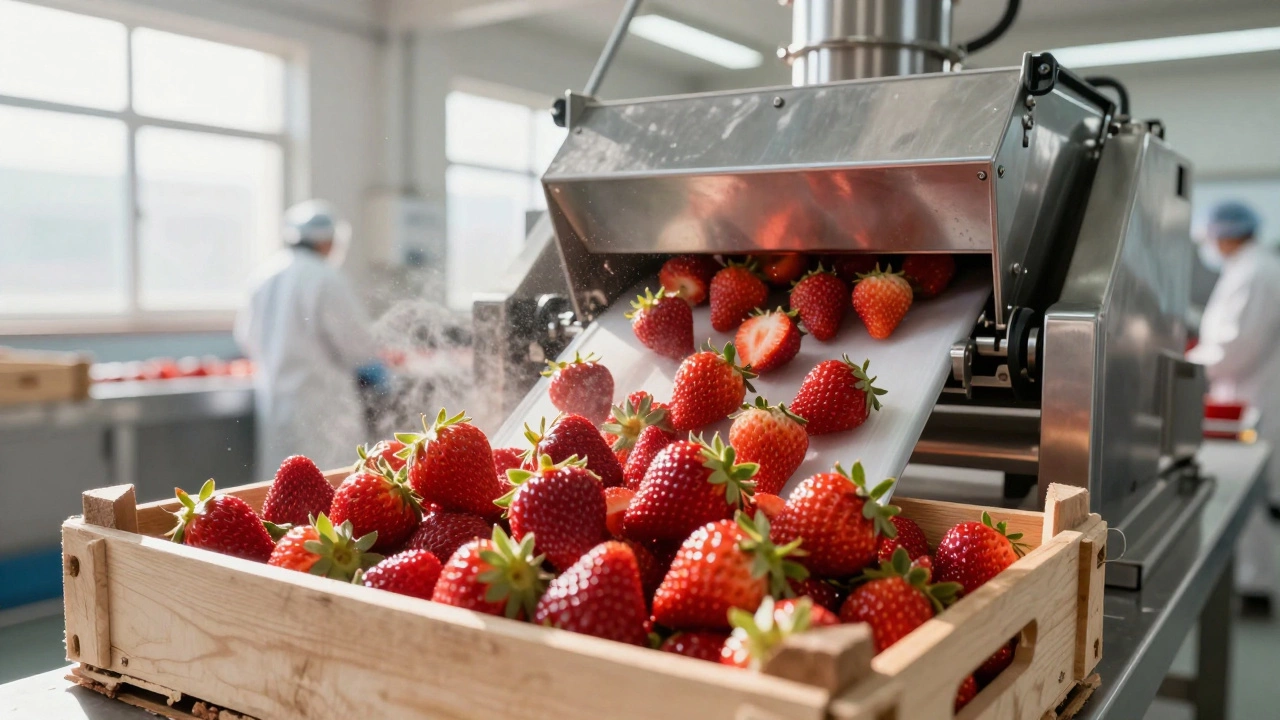
Have you ever wondered how fresh strawberries end up as a stable jam on a supermarket shelf months later? It isn't magic. It is a carefully orchestrated series of steps known as unit operations. In the food industry, understanding these steps is the difference between a safe meal and a dangerous hazard. We often talk about recipes or brands, but behind every jar of sauce lies a complex system of physical and chemical changes.
Unit Operations is the systematic breakdown of food processing into individual functional steps like heating, mixing, or drying. These operations are the building blocks of food engineering. They do not just change the look of the food; they alter its texture, safety profile, and shelf life. When you classify these operations correctly, you gain control over quality. You can predict problems before they happen on the factory floor.
What Exactly Is a Unit Operation?
To understand the classification, we first need to define what we are classifying. In chemical engineering, a unit operation is a single step in a process that involves a physical change rather than a chemical reaction. However, food processing is unique because biological materials are involved. Water moves out, bacteria die due to heat, and enzymes stop working.
Think of making bread. Mixing flour and water is one operation. Kneading is another. Baking is a third. Each one achieves a specific goal. The goal defines the class. If the goal is to remove water, it falls under one category. If the goal is to kill microbes using heat, it falls under another. This distinction helps engineers choose the right equipment. A pump used for moving liquids works differently from a dryer used to remove moisture.
Industry experts generally group these operations into five main buckets. This framework simplifies complex plants into manageable parts. Let's break down exactly how we sort them based on the physics involved.
Physical and Mechanical Operations
This category deals with moving things around, changing shapes, or separating components without adding or removing significant energy via heat or mass exchange. It is mostly about mechanical force.
| Operation | Purpose | Example Equipment |
|---|---|---|
| Milling | Reducing particle size | Bur mill, Hammer mill |
| Mixing | Combining ingredients uniformly | Ribbon blender, Spiral mixer |
| Filtration | Solid-liquid separation | Cloth filter, Centrifuge |
Milling is a prime example. When you turn wheat into flour, you are mechanically breaking cell walls. The energy input here is kinetic. You are forcing particles apart. Similarly, filtration separates solids from liquids. Think of filtering coffee grounds. The liquid passes through a mesh while the solid remains trapped. In industrial settings, centrifuges spin milk at high speeds to separate cream from skim milk based on density differences. These processes rely on gravity, centrifugal force, or pressure gradients.
Heat Transfer Operations
When temperature becomes the driving force, we move into thermal processing. Heat changes food properties more drastically than mechanical force. It cooks, kills pathogens, and alters color. The classification here depends on how heat moves: conduction, convection, or radiation.
Pasteurization is the most recognizable form of thermal treatment. By heating milk to 72°C for 15 seconds, you destroy harmful bacteria without boiling the product. This specific time-temperature combination defines the operation. Sterilization goes further. Canned goods get heated to higher temperatures (often above 121°C) to kill spores that cause botulism.
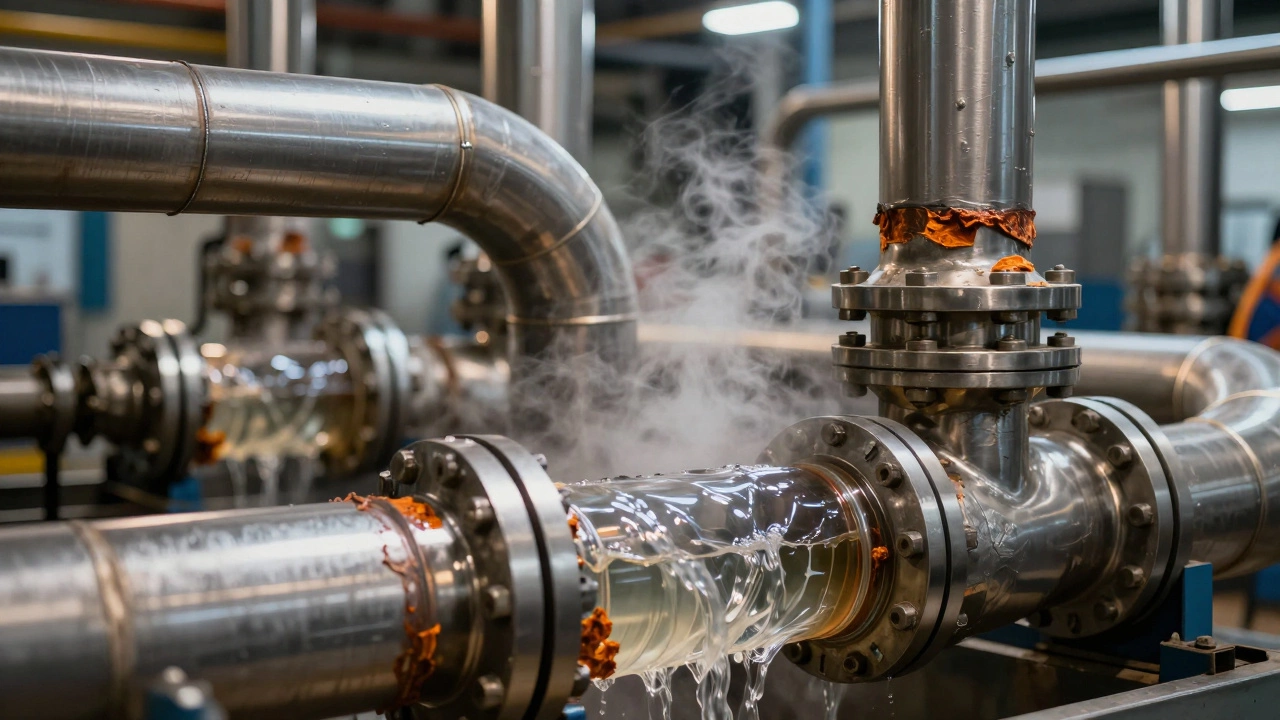
Conversely, refrigeration and freezing also fall under heat transfer, but in reverse. Removing heat slows down microbial growth. Freezing converts water into ice crystals. This phase change preserves the food by making the water unavailable for bacterial consumption. Engineers design heat exchangers to maximize efficiency here. A scraped-surface heat exchanger prevents burning when thick sauces flow through pipes. It shows how critical the classification is to equipment selection.
Mass Transfer Operations
If heat transfer moves energy, mass transfer moves molecules. This happens whenever something dissolves, evaporates, or diffuses through a membrane. It is arguably the most subtle class of operations.
Drying is a classic mass transfer process. You are moving water vapor from inside the food to the surrounding air. Spray drying turns liquid milk into powder. Fluidized bed drying treats grains. In both cases, moisture leaves the material. The rate depends on humidity, air velocity, and temperature. Another key example is extraction. Coffee makers use hot water to pull caffeine and flavor oils out of beans. The solvent carries the mass away.
Osmotic concentration uses salt or sugar to draw water out of tissues. Think of curing ham or making fruit leather. The gradient drives the water out of the cells. These operations require precise control of vapor pressure and concentration gradients. Getting the math wrong leads to uneven textures or spoilage pockets inside the product.
Biochemical and Microbial Operations
Unlike synthetic chemicals, food often relies on living organisms to transform the raw material. Here, unit operations involve fermentation or enzymatic conversion. Yeast consumes sugar and releases carbon dioxide. This is how bread rises and beer gets its alcohol content. Lactobacillus bacteria convert milk sugar into lactic acid, creating yogurt.
Fermentation is a metabolic process converting carbohydrates to alcohols or acids using microorganisms. This is distinct from chemical reactions because biological agents drive the change.In a bioreactor, you must control oxygen levels, pH, and nutrient supply precisely. It isn't just heating or mixing; you are managing an ecosystem. Enzymes also play a role. Adding rennet to milk causes it to coagulate into cheese curds. This is a targeted biochemical separation. The classification distinguishes these biological steps from purely physical ones because the variables are alive and reactive. Temperature control here prevents killing the culture, not just setting product specs.
Integrating Operations into a Production Line
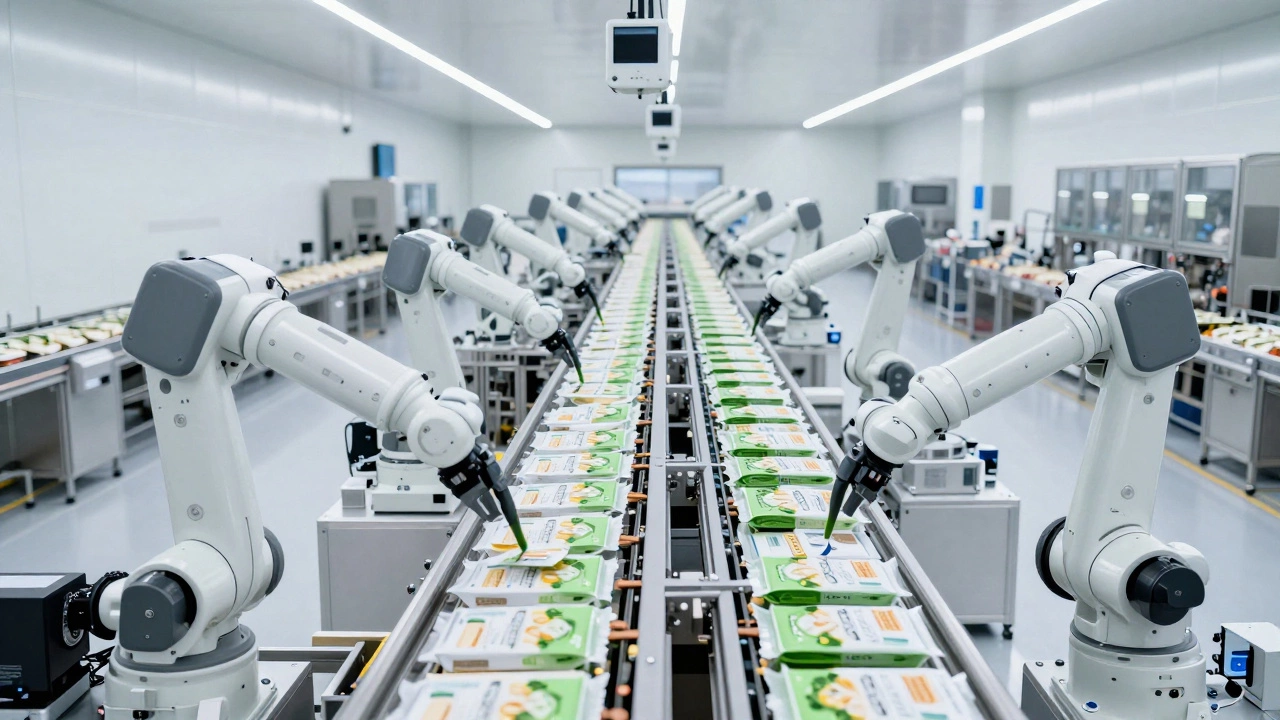
You rarely see these operations in isolation. A factory blends them into a continuous flow. Consider juice production. First, you wash the fruit (cleaning/mechanical). Then you crush it (milling). Next, you extract the juice (filtration/separation). After that, you pasteurize it (thermal). Finally, you package it (filling).
This sequence demonstrates why classification matters. Each stage hands off a different state of matter to the next. If your filtration fails, the thermal unit clogs. If you under-dry a grain, storage mold grows later. Understanding the link between Mass Transfer and Thermal steps ensures stability. Modern facilities use automation to bridge these gaps. Sensors monitor pressure and temperature continuously. Operators no longer guess; they follow data streams derived from these operational classes.
Regulations also dictate the sequence. HACCP is Hazard Analysis Critical Control Point, a systematic preventive approach to food safety. Critical Control Points usually align with specific unit operations. For canned food, the retort step (thermal sterilization) is a CCP. If the classification identifies this step correctly, auditors know where to inspect. Misclassifying the risk means missing the inspection point, which leads to recalls.
Modern Trends Affecting Classification
By 2026, technology blurs some lines. High-pressure processing (HPP) kills bacteria using pressure waves instead of heat. Does this count as thermal? No. It is physical, but it achieves a safety outcome previously reserved for cooking. Cold plasma technology sterilizes surfaces using ionized gas. These innovations challenge old textbooks.
Energy efficiency is another driver. Heat recovery systems capture waste heat from cooling units to warm incoming batches. This combines thermal and mechanical logistics. As sustainability targets tighten, operations that reduce water usage gain priority. Membrane filtration replaces evaporation for concentrating protein drinks because it saves energy. The classification evolves to prioritize these metrics alongside purity and safety.
Frequently Asked Questions
Can one operation belong to multiple classes?
Yes. Evaporation involves both heat transfer (boiling the liquid) and mass transfer (removing vapor). In practice, engineers focus on the dominant effect to select equipment, but the physics overlap in many real-world scenarios.
Which unit operation is most critical for safety?
Thermal sterilization and pasteurization are usually the primary safety checkpoints. These steps eliminate pathogens like Salmonella or E. coli. Regulatory bodies enforce strict standards on these specific operations compared to others like mixing or cutting.
How does unit operation affect product cost?
Complex operations requiring high energy, like freeze-drying, increase costs significantly. Simpler mechanical steps, like grinding, are cheaper. Choosing the minimal effective operation for preservation directly impacts profit margins and pricing strategy.
Are unit operations the same across all food types?
The principles remain the same, but parameters differ. Pasteurizing apple juice requires different times and temperatures than pasteurizing milk due to acidity and viscosity. The core operation is similar, but execution varies based on raw material properties.
How do I choose between continuous and batch operations?
Continuous operations suit high-volume products like packaged water or soda. Batch operations suit smaller runs or diverse SKUs like specialty cheeses. Cost-efficiency usually dictates continuous for large scale, while flexibility favors batch processing.